MarketLens
Is the Digital Wallet Market Truly a Trillion-Dollar Opportunity

Key Takeaways
- The global digital wallet market is exploding, projected to reach $7.86 trillion by 2030 with over 5.2 billion users by 2026, driven by smartphone adoption and a demand for seamless payments.
- Companies like Visa, Mastercard, PayPal, and Block are strategically positioned to capitalize on this shift, but face distinct challenges and opportunities across different market segments and technological innovations.
- The future of digital wallets hinges on advanced security (biometrics, blockchain), AI-driven personalization, and cross-border interoperability, demanding continuous innovation from market players.
Is the Digital Wallet Market Truly a Trillion-Dollar Opportunity?
Absolutely, the digital wallet market is not just a burgeoning sector; it's a rapidly expanding financial frontier already valued in the trillions. In 2023, the global digital wallet market stood at an impressive $2.14 trillion, and analysts project a staggering leap to $7.86 trillion by 2030, demonstrating a robust Compound Annual Growth Rate (CAGR) of 20.58%. This isn't merely about convenience; it's a fundamental shift in how money moves, driven by technological innovation and evolving consumer behavior.
This explosive growth is underpinned by several powerful trends. The proliferation of smartphones is a primary catalyst, with over 4.3 billion individuals owning a smartphone as of 2023, effectively expanding the potential user base for digital wallets globally. These devices offer an unparalleled platform for managing finances, linking payment methods, and executing transactions directly, making digital payments an increasingly attractive option for everyday financial activities. The convenience factor, coupled with enhanced security features like tokenization and biometric authentication, is steadily eroding the dominance of traditional payment methods.
Moreover, supportive government policies and digitalization initiatives worldwide are actively encouraging cashless transactions, particularly in regions like Asia-Pacific. Countries such as India and Saudi Arabia are even introducing digital currencies, further accelerating the adoption of digital wallets. This confluence of consumer demand, technological advancement, and regulatory support creates a fertile ground for sustained market expansion. Digital wallets are no longer just an alternative; they are becoming the default, accounting for 53% of global online purchases and 32% of in-store transactions in 2024.
By 2026, the total number of digital wallet users is expected to exceed 5.2 billion globally, representing over 60% of the world's population. This widespread adoption signals a critical inflection point for businesses and financial institutions. Those that fail to integrate seamless digital payment options risk alienating a significant portion of their customer base, as evidenced by the 51% of digital wallet users who have stopped shopping with businesses that only accept traditional payment methods. The message is clear: modern payment experiences are now critical to customer retention and market relevance.
Which Regions and Technologies are Driving This Growth?
The digital wallet revolution is far from uniform, exhibiting distinct regional dynamics and technological preferences that shape its global trajectory. Asia-Pacific stands out as the undisputed leader, holding a prominent market share and driving much of the global growth. This region's remarkable upward trajectory in digital wallet adoption is fueled by supportive digitalization policies, massive investments in high-speed internet infrastructure, and the increasing penetration of smartphones. Countries like China and India, with their vast populations and government-backed initiatives such as UPI, have witnessed an unparalleled expansion of digital payment solutions, leading to over 90% of mobile transactions in China being handled by giants like Alipay and WeChat Pay.
While Asia-Pacific dominates in terms of sheer volume and adoption, other regions are also experiencing significant shifts. North America, though slower to adopt initially, is seeing steady growth, with digital wallet use projected to increase to 29% of POS payments and 52% of online payments by 2030. Europe is focusing on reducing payment costs and leveraging contactless technologies, with initiatives like the European Payments Initiative's Wero wallet aiming to boost adoption. The Middle East and Africa are emerging as high-growth areas, with mobile connectivity and government-led financial inclusion programs acting as key catalysts, projecting annual transaction volume increases of 19.6% from 2025 to 2029.
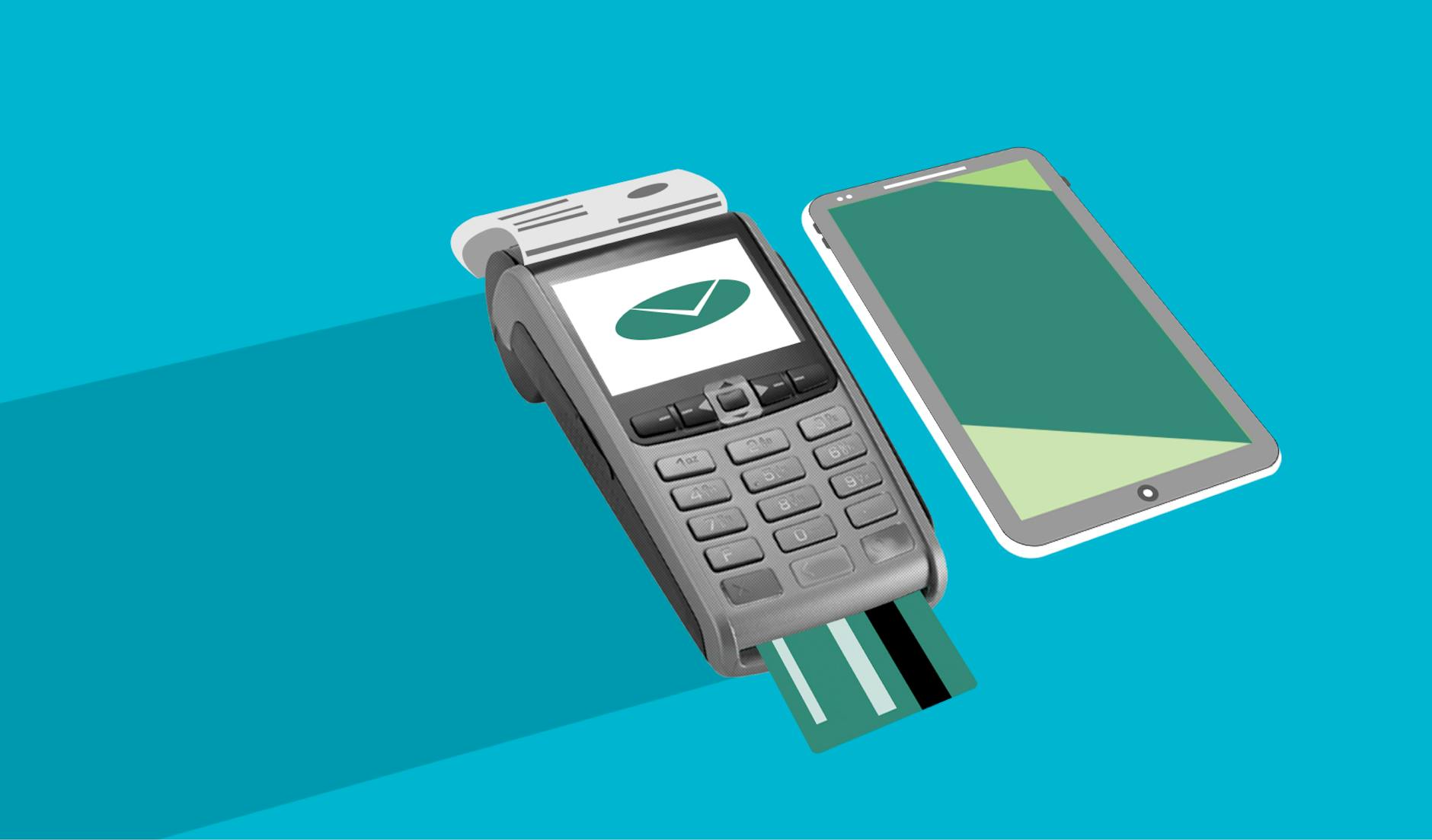
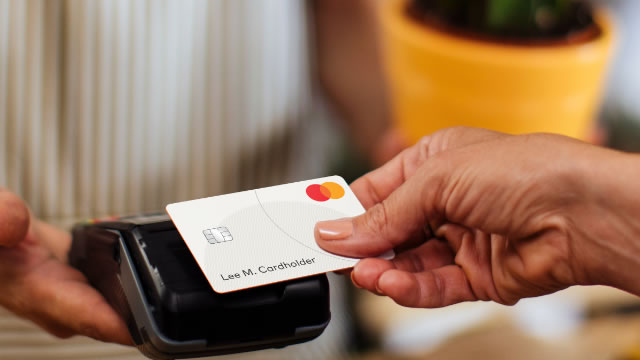
From a technological standpoint, Near Field Communication (NFC) currently holds the largest share of the digital wallet market, particularly prevalent in North America, Australia, and parts of EMEA for in-store transactions. However, QR code payments are rapidly gaining ground, especially in Asia-Pacific, and are projected to be the most popular digital wallet transaction type by 2026, reaching 380 billion transactions globally and accounting for over 40% of all transactions by volume. This highlights a critical need for vendors to innovate beyond basic QR functionality, integrating loyalty features and personalized marketing to incentivize merchant acceptance in new geographic markets.
Beyond NFC and QR codes, the market is embracing advanced technologies to enhance functionality and security. Blockchain technology is increasingly being implemented to improve the security, transparency, and user experience of digital payments, promising reduced transaction costs by eliminating intermediaries. The rise of "superapps" – multipurpose platforms integrating payments with other services like wealth management and e-commerce – is also a significant trend, particularly in developing countries. These regional and technological nuances underscore the complex, yet highly dynamic, nature of the digital wallet ecosystem, requiring tailored strategies from market players.
How are Key Players Navigating This Evolving Landscape?
The digital wallet revolution presents a complex strategic chessboard for established financial giants and agile fintech innovators alike. Companies like Visa (V), Mastercard (MA), PayPal (PYPL), and Block (SQ) are deeply integrated into this ecosystem, each leveraging distinct strengths while grappling with evolving consumer expectations and competitive pressures. Their strategies reflect a blend of traditional payment processing, digital innovation, and ecosystem expansion.
Visa and Mastercard, the traditional card network powerhouses, are adapting by embedding their infrastructure within digital wallets and focusing on interoperability. Mastercard, with a market cap of $446.89 billion, boasts impressive TTM margins: gross at 83.4%, operating at 59.2%, and net at 45.6%. Its ROE of 198.4% and ROIC of 48.6% underscore its capital efficiency and strong profitability. Visa, with an even larger market cap of $589.07 billion, shows similar strength, with TTM gross margins at 81.1% and net margins at 50.2%, alongside a ROE of 54.2%. Both companies are benefiting from the sheer volume of digital transactions, regardless of the front-end wallet used, as their networks facilitate the underlying movement of funds. They are actively investing in new payment rails, including real-time payments and digital assets, to ensure their networks remain central to the future of global commerce.
PayPal, a pioneer in online payments, is strategically positioned with its strong e-commerce focus. While its market cap of $42.29 billion is significantly smaller than the card networks, its TTM P/E of 8.04 and P/FCF of 7.60 suggest a potentially undervalued asset, especially given its robust net income growth of 26.2% (FY2025 YoY) and EPS growth of 35.6%. PayPal's strength lies in its brand recognition and extensive user base, particularly in online transactions, where 96% of its volume is generated. However, it faces increasing competition from "Big Tech" wallets and local solutions. The company's challenge is to expand its in-store presence and integrate more seamlessly into the broader omnichannel experience, while maintaining its strong profitability metrics like a TTM net margin of 15.8%.
Block (formerly Square), with its Cash App and Square seller ecosystem, represents a different approach, blending consumer-facing digital wallets with merchant payment solutions. Its market cap stands at $51.73 billion. While Block's TTM net margin of 5.4% and ROE of 5.9% are lower than PayPal's, its strategy focuses on building a comprehensive financial ecosystem. The Cash App's strong growth in operating cash flow (51.1% YoY) and free cash flow (56.1% YoY) indicates healthy underlying business momentum, despite a negative net income growth in FY2025. Block's strength lies in its ability to cater to both consumers and small businesses, fostering a sticky ecosystem that encourages frequent engagement and cross-selling of financial services. The company's focus on virtual cards and digital assets positions it well for future trends, but it must continue to demonstrate a clear path to sustained profitability.
What are the Emerging Technologies and Trends Shaping the Future?
The digital wallet landscape is not static; it's a dynamic arena constantly being reshaped by technological innovation and evolving user expectations. Several key trends are emerging that will define the next phase of growth, demanding continuous adaptation from market players. These include a strong emphasis on advanced security, the integration of artificial intelligence, and the push for greater interoperability across diverse payment systems.
First, next-generation biometrics are becoming the standard for reinforcing wallet security. With rising fraud attempts and stricter compliance requirements, relying on a single authentication method is no longer sufficient. In 2026, multi-biometric authentication, combining methods like facial recognition, palm vein scanning, and voiceprint verification, will be crucial. This layered approach not only reduces fraud but also streamlines the user experience, building greater trust. Beyond biometrics, the adoption of blockchain technology is gaining traction, promising enhanced security, transparency, and reduced transaction costs by decentralizing identity verification and optimizing payment processes.
Second, predictive analytics and Generative AI (GenAI) assistants are set to transform wallet engagement. Customers now expect more than just transaction history; they want clarity and guidance. AI-driven payment recommendations, real-time risk scoring, automated savings triggers, and personalized budgeting reminders will turn wallets into intelligent financial guides. GenAI assistants will further enhance loyalty programs by personalizing rewards and automating routine customer service queries through natural conversation. This shift from a mere transaction portal to a proactive financial advisor will significantly increase user stickiness and lifetime value.
Third, the widespread adoption of virtual cards is making them a default payment method. Offering enhanced security through tokenization, instant issuance, and real-time management, virtual cards are becoming essential for e-commerce, subscriptions, and corporate expenses. This trend aligns perfectly with the mobile-first experiences consumers demand. Furthermore, the push for open banking connectivity is allowing wallets to become primary financial interfaces, offering unified views of a user's finances across multiple institutions. This not only improves cross-border digital payments and reduces transaction costs but also supports seamless omnichannel experiences.
Finally, the concept of SuperApps continues to gain momentum, especially in Asia, where platforms like Alipay and WeChat Pay bundle finance with daily services. These multi-service hubs increase user stickiness and cross-sell potential, turning payments into a platform for broader monetization. The ability to integrate with these broader ecosystems, or to add complementary services, will be a significant differentiator. These trends collectively point towards a future where digital wallets are intelligent, secure, interconnected, and deeply embedded into daily life.
What Does This Mean for Investors in Payment Companies?
For investors, the digital wallet revolution presents a compelling, albeit nuanced, opportunity. The sheer growth trajectory of the market, projected to nearly quadruple in size by 2030, suggests a strong tailwind for companies deeply embedded in this ecosystem. However, not all players will benefit equally, and understanding the distinct competitive advantages and challenges of each is crucial.
Consider the network giants like Visa and Mastercard. Their robust infrastructure makes them foundational to nearly all digital transactions, regardless of the wallet brand. Their high margins and returns on equity demonstrate their pricing power and efficient business models. While their growth might be more incremental than disruptive fintechs, their stability and essential role in the global payment rails make them attractive long-term holdings, offering exposure to the overall growth of digital payments with less direct exposure to wallet-specific competition. Their ability to adapt to new payment types, including digital assets and real-time rails, ensures their continued relevance.
Fintech innovators like PayPal and Block operate in a more competitive, yet potentially higher-growth, segment. PayPal's strong profitability and significant EPS growth indicate a well-managed business with a loyal user base, particularly in e-commerce. Its current valuation metrics, like a P/E of 8.04 and P/FCF of 7.60, might suggest it's trading at a discount compared to its growth potential, making it an interesting value play within the fintech space. However, it needs to aggressively expand its physical point-of-sale presence and integrate more value-added services to fend off competition.
Block, on the other hand, is a growth-oriented play, building out a comprehensive ecosystem for both consumers and merchants. Its focus on innovation, including virtual cards and digital assets, positions it for future trends. While its profitability metrics are currently lower, its strong cash flow generation and ecosystem approach could lead to significant long-term value creation if it successfully executes its strategy. Investors in Block are betting on its ability to capture market share through innovation and ecosystem expansion, rather than relying on established network effects.
The broader implications for investors include watching for companies that successfully integrate emerging technologies like AI and advanced biometrics, and those that can navigate the complex regulatory landscape of cross-border payments and digital currencies. Companies that can offer seamless, secure, and personalized experiences will be the winners. Diversification across different archetypes – from network providers to consumer-facing wallets and merchant solutions – might be a prudent strategy to capture the diverse opportunities within this rapidly evolving market.
What are the Risks and Headwinds to Watch?
While the digital wallet market offers immense growth potential, investors must also be cognizant of the significant risks and headwinds that could impact even the most well-positioned companies. This isn't a frictionless ride; the path to dominance is fraught with challenges ranging from intense competition and regulatory scrutiny to cybersecurity threats and the inherent complexities of global interoperability.
One of the most pressing risks is the hyper-competitive landscape. The digital wallet market is crowded with global powerhouses like Apple Pay and Google Wallet, e-commerce giants like Amazon Pay, and a multitude of strong local champions across various regions. This fierce competition can lead to pricing pressures, increased marketing spend, and a constant need for innovation to differentiate offerings. For instance, Apple's decision to allow non-Apple wallets access to the iPhone's NFC "Secure Element" in Europe could significantly reshape the competitive dynamics, potentially eroding some of its walled-garden advantage.
Regulatory scrutiny is another major headwind. As digital wallets become central to financial systems, governments and central banks are increasing their oversight. This includes regulations around data privacy, anti-money laundering (AML), know-your-customer (KYC) requirements, and consumer protection. Navigating these diverse and often evolving regulatory frameworks across different jurisdictions can be costly and complex, potentially hindering global expansion and innovation. The push for central bank digital currencies (CBDCs) also introduces a new layer of complexity and potential competition for existing private digital wallet providers.
Cybersecurity threats and fraud remain a persistent and escalating risk. While digital wallets often boast enhanced security features like tokenization and biometrics, they also present a lucrative target for cybercriminals. High-profile data breaches or widespread fraud incidents could severely erode consumer trust and lead to significant financial and reputational damage for companies. The continuous arms race against increasingly sophisticated fraud techniques demands substantial ongoing investment in security infrastructure and AI-powered fraud detection.
Finally, achieving true global interoperability is a significant challenge. While standards like ISO 20022 are improving cross-border payments, the fragmentation of payment rails, varying local preferences (e.g., QR codes vs. NFC), and different regulatory environments make seamless international transactions difficult. Companies that can act as a "bridge" between diverse payment ecosystems will have an advantage, but this requires complex technical integrations and partnerships. Failure to achieve broad interoperability could limit the market's full potential, especially for cross-border transactions, which are identified as a key growth opportunity.
The digital wallet market is undeniably a growth story, but one that demands careful consideration of both its immense potential and its inherent complexities. Investors should look for companies with strong competitive moats, a clear path to profitability, and a demonstrated ability to innovate while navigating regulatory and security challenges. The future of payments is digital, but the journey will be anything but simple.
Want deeper research on any stock? Try Kavout Pro for AI-powered analysis, smart signals, and more. Already a member? Add credits to run more research.
Related Articles
Category
You may also like


$120 Billion Opportunity? JPMorgan Flags Ripple's Cross-Border Payments Play

Is Walmart stock a buy after hitting a $1 trillion market cap?

Can OpenAI-led Conversational Commerce Drive TGT's Next Growth Wave?
Breaking News
View All →Featured Articles
Top Headlines

The AI Honeymoon Is Over: Why $MSFT Is Tanking And What It Means For Your Portfolio

Streaming Wars: 1 Netflix Rival Dominating the Industry

This Retail Giant Is Trading for Half the Price of Walmart and Nearly One-Third the Price of Costco, but Growing 3 Times as Fast

Katz: Markets Historically Rebound from Conflict, MSFT & META Dips "Attractive"