MarketLens
Is TotalEnergies Shifting Gears on Green Energy? The $1 Billion Wind Farm Buyout

Key Takeaways
- TotalEnergies is navigating a complex energy transition, reportedly accepting $1 billion to exit US offshore wind, redirecting capital towards LNG and oil & gas, a move that could boost short-term returns but faces climate scrutiny.
- Geopolitical risks, particularly US sanctions on Arctic LNG 2, pose significant financial and operational challenges for TotalEnergies and its Japanese partners, highlighting the fragility of major international energy projects.
- Japan's corporate governance reforms are creating a more shareholder-centric environment, pushing companies like Mitsui to balance strategic energy security with financial accountability amidst global pressures.
Is TotalEnergies Shifting Gears on Green Energy? The $1 Billion Wind Farm Buyout
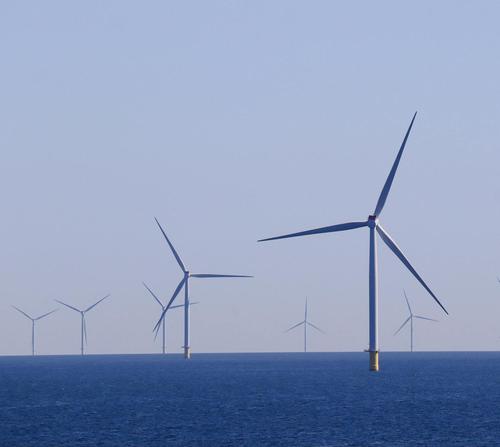
TotalEnergies (NYSE: TTE) finds itself at a critical juncture, reportedly accepting a $1 billion payment from the Trump administration to abandon its US offshore wind farm projects. This move, if confirmed, marks a significant pivot in the company's energy transition strategy, raising questions about its commitment to renewables and its long-term investment priorities. While the company has previously outlined plans to expand in deregulated markets and select renewable sectors, this development suggests a more pragmatic, perhaps even opportunistic, approach to capital allocation.
CEO Patrick Pouyanné has indicated that the refunded lease fees would be reinvested into the construction of the 29 Mt Rio Grande LNG plant and other oil and gas activities. This strategic redirection aims to support US gas production and export, supplying Europe with American LNG and powering domestic data centers. Such a shift underscores a broader industry trend where energy majors, while acknowledging the need for transition, continue to leverage their core competencies in fossil fuels, especially when geopolitical and market conditions favor them.
The market's reaction to TotalEnergies' evolving strategy remains a key watchpoint. Shares are currently trading at $89.87, near the higher end of their $52.78 to $91.38 52-week range, indicating a degree of investor confidence in the company's ability to generate returns. However, this confidence is juxtaposed against a backdrop of increasing scrutiny from climate-focused investors. TotalEnergies' recent investor presentations have already signaled a reduction in "low-carbon" investment forecasts, with plans to increase the share of investments in new oil and gas projects to 35% by 2030, dedicating 75% of investments to oil and gas from 2026 to 2030. This apparent backsliding on climate commitments could trigger further shareholder activism and reputational risks, despite the potential for robust short-term financial gains from fossil fuel projects.
How Do Geopolitical Tensions Impact TotalEnergies' Arctic LNG 2 Stake?
TotalEnergies' 10% stake in the Arctic LNG 2 project in Russia presents another complex layer of risk, heavily influenced by escalating US sanctions and geopolitical maneuvering. The project, a cornerstone of Russia's LNG ambitions, has faced severe operational instability, including the suspension of gas liquefaction in April 2024 due to sanctions and a lack of specialized tankers. This situation puts TotalEnergies in a precarious position, as it evaluates its options amidst a challenging environment where Russia has previously taken aggressive action against companies seeking to divest from major energy projects.
Japanese partners, including a consortium involving Mitsui and JOGMEC (Japan Oil, Gas and Metals National Corporation), also hold a 10% stake and are similarly evaluating their positions. Japan's commitment to Arctic LNG 2 is driven by national energy security goals, with JOGMEC acting as a national financial guarantor. This has led to significant fiscal exposure, as evidenced by JOGMEC reportedly prepaying approximately $890 million in 2024 to honor bank guarantees following a cash flow freeze. Mitsui, despite withdrawing its on-site staff by December 2023, has retained its equity, highlighting the structural rigidity of these fiscal commitments and the "take-or-pay" clauses that leave Japanese buyers liable for payments even if deliveries are interrupted.
The financial implications are substantial. Mitsui disclosed its investment and loans in the project reached $115 million by November 2023, with total guarantees from JOGMEC amounting to approximately $1.7 billion. A year's production stoppage could result in losses of $850 million to $900 million for Japanese buyers, only partially offset by portfolio swaps. While the US has historically been reluctant to sanction allied companies and may grant exemptions, the ongoing uncertainties mean that TotalEnergies and its partners face potential write-downs, prolonged operational instability, and the risk of further financial losses, underscoring the high stakes of operating in politically charged energy landscapes.
What Do TotalEnergies' Financials and Shareholder Returns Reveal?
TotalEnergies' financial performance and shareholder return strategy paint a picture of a company prioritizing immediate financial gratification, even as it navigates a complex energy transition. In 2024, the company posted a consolidated net income of €14.6 billion, following a record €21.5 billion in 2023. This robust profitability has enabled substantial shareholder distributions, with €7.7 billion paid in dividends in 2024 and a record €10.5 billion in 2022, representing a 25% increase in dividends compared to 2019. The company's dividend yield stands at a healthy 4.3%, with a payout ratio of 62.0%, making it an attractive option for income-focused investors.
However, this generosity towards shareholders has drawn criticism from climate advocacy groups. In 2024, for every dollar invested in its electricity generation activities, TotalEnergies allocated 4 dollars to shareholders through dividends and share buybacks. This short-term financial focus, as highlighted by Reclaim Finance, suggests a prioritization of immediate returns over the substantial investments needed to accelerate a transition away from fossil fuels. The company's P/E ratio of 15.26 and P/FCF of 18.07 indicate a reasonable valuation, but its Net Income growth of -13.3% and FCF growth of -32.2% in FY2025 YoY suggest some headwinds despite the strong historical performance.
Shareholder sentiment remains largely supportive of management's strategy. At the 2025 annual shareholders' meeting, despite announced climate setbacks, an overwhelming majority of shareholders approved executive remuneration, the re-election of directors, and dividend payments. This continued support, even as the company reduced opportunities for shareholders to vote on its climate plan, reinforces TotalEnergies' current trajectory. Major shareholders like Vanguard, Capital Group, and Norges Bank Investment Management have largely backed the company's approach, indicating that financial performance and shareholder returns currently outweigh climate-related concerns for a significant portion of the investor base.
How is Eni Balancing Shareholder Returns with Energy Transition?
Eni S.p.A. (NYSE: E), another European energy major, offers a contrasting yet equally complex narrative in the evolving energy landscape. While TotalEnergies grapples with a reported $1 billion wind farm buyout, Eni has been actively boosting shareholder returns, signaling confidence in its own strategic direction. The company's dividend yield currently stands at 4.3%, identical to TotalEnergies, but with a higher payout ratio of 118.1%, indicating a more aggressive distribution strategy relative to its earnings. This commitment to shareholder returns is a critical factor for investors, especially in a sector facing long-term uncertainties.
Eni's financial metrics reveal a company with a market cap of $70.37 billion and an EV/EBITDA of 6.96, slightly higher than TotalEnergies' 5.92. Its P/E ratio of 27.31 is considerably higher than TTE's, suggesting that investors are pricing in different growth expectations or risk profiles. However, Eni's Net Income growth of -4.5% and FCF growth of -12.7% in FY2025 YoY, while negative, are less steep than TotalEnergies', potentially indicating a more stable, albeit still challenging, operational environment. The company's ROE of 5.2% and ROIC of 2.4% are lower than TTE's, suggesting less efficient capital deployment or a different business mix.
The broader context for Eni, like TotalEnergies, involves navigating the pressures of energy transition while maintaining profitability. The company's strategy likely involves a mix of traditional oil and gas operations, which continue to generate significant cash flow, alongside investments in lower-carbon solutions. The challenge lies in balancing these two imperatives effectively to satisfy both financial markets and environmental stakeholders. Eni's ability to sustain its shareholder return policy will depend on its capacity to adapt to changing energy demands, manage geopolitical risks, and execute its transition strategy efficiently, all while maintaining a healthy balance sheet, as reflected by its D/E ratio of 0.81 and Net Debt/EBITDA of 2.11.
What Do Japan's Corporate Governance Reforms Mean for Global Energy Investments?
Japan's ongoing corporate governance reforms, initiated over a decade ago and gaining significant traction in the 2020s, are profoundly reshaping its equity markets and influencing global investment dynamics, particularly in the energy sector. These reforms, driven by the Corporate Governance Code (2015, revised 2018, 2021) and the Stewardship Code (2014, revised 2017, 2020), aim to boost profitability and growth by compelling companies to prioritize shareholder value and capital efficiency. This is a direct response to Japan's "lost decades" of economic stagnation, characterized by cash hoarding and a lack of pressure to generate returns for investors.
The impact of these reforms is evident in cases like Mitsui's involvement in Arctic LNG 2. Despite geopolitical risks and operational challenges, the structural rigidity of fiscal commitments and the strategic importance of energy security for Japan have kept companies like Mitsui invested. However, the new governance framework, reinforced by a landmark minority shareholder court ruling in 2024 that mandated extra payouts for undersold companies, signals a stronger protection for investors. This creates a dual pressure: companies must balance national strategic interests with their fiduciary duty to shareholders, ensuring that investments, even in high-risk projects, are justified by long-term value creation.
Looking ahead, regulatory discussions around revisions to Japan's Corporate Governance Code in June 2026 and amendments to the Companies Act are expected to further clarify minority shareholder protections, reinforce board leadership, and push for more efficient allocation of cash. These reforms are designed to lift corporate return on equity (ROE), support market re-ratings, and strengthen Japan's governance leadership in Asia. For global energy companies like TotalEnergies and Eni, understanding and adapting to this evolving governance landscape is crucial, especially when collaborating with Japanese partners or seeking investment in the region. The emphasis on transparency, accountability, and shareholder value will increasingly dictate the viability and structure of major international projects.
Investor Implications: Navigating the Shifting Sands of Energy and Governance
The energy sector is in constant flux, and investors in TotalEnergies and Eni must weigh the immediate financial benefits of fossil fuel investments against long-term climate risks and evolving governance standards. TotalEnergies' pivot towards LNG and oil & gas, potentially fueled by a $1 billion wind farm exit, could bolster short-term earnings and maintain its attractive 4.3% dividend yield. However, this strategy faces increasing scrutiny from climate-conscious investors and could lead to reputational damage or future regulatory hurdles.
Eni, while also committed to shareholder returns, exhibits different financial characteristics and a potentially less aggressive shift away from renewables. Both companies operate in a world where geopolitical tensions, as seen with Arctic LNG 2, can swiftly turn strategic investments into significant liabilities. Japan's corporate governance reforms are a powerful force, pushing for greater shareholder accountability and capital efficiency, which will undoubtedly influence how international energy projects are structured and financed in the future. Investors should closely monitor these intertwined dynamics, focusing on companies that demonstrate a clear, sustainable strategy for balancing profitability with responsible capital allocation and robust governance.
Want deeper research on any stock? Try Kavout Pro for AI-powered analysis, smart signals, and more. Already a member? Add credits to run more research.
Related Articles
Is the AI Hype Cycle Shifting Gears
Category
You may also like


3 Green Energy Stocks to Buy in March

PayPal Attracting Takeover Interest, Meta to Spend Billions on AMD Gear | Bloomberg Deals 2/25/2026

Does BP's $5.4 Billion Write-Down Signal the End of the Green Transition?
Breaking News
View All →Featured Articles
Top Headlines

Institutions have dumped over $70 billion of Nvidia stock

My Top 6 Rebound Picks

Statistically, These 2 "Magnificent Seven" Stocks Are Genius Buys, Based on a Time-Tested Valuation Metric

Eli Lilly inks $2.75B AI deal with Insilico, bets on China biotech