The Rise of Nvidia: A New Era in Semiconductors
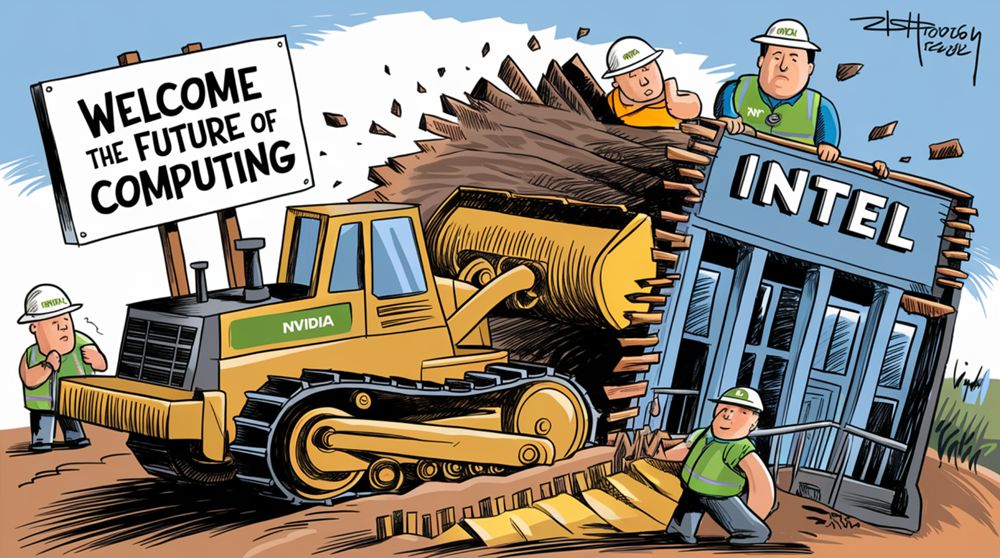
Nvidia’s ascension to the DJIA is emblematic of its dominance in the AI chip market. The company’s focus on high-performance processors tailored for AI applications has propelled its market capitalization to $3.3 trillion, making it the second-largest publicly traded company after Apple. This remarkable growth is driven by Nvidia’s strategic partnerships and innovative product offerings, which have positioned it at the forefront of the AI revolution.
Key Factors Behind Nvidia’s Success
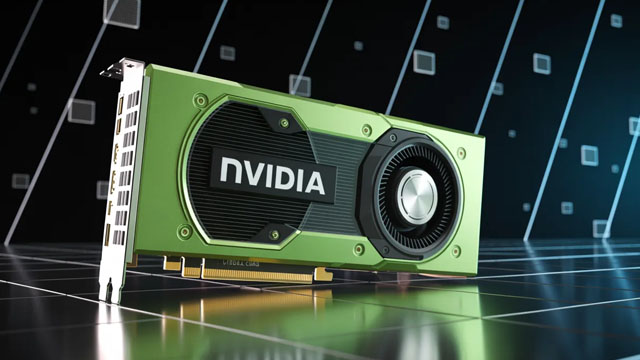
- AI-Centric Strategy: Nvidia’s commitment to AI has been a cornerstone of its success. The company’s GPUs are integral to AI applications, from data centers to autonomous vehicles, fueling demand and driving revenue growth.
- Strategic Partnerships: Nvidia’s reliance on Taiwan Semiconductor Manufacturing Company (TSMC) for chip production underscores its strategic approach. TSMC’s advanced manufacturing capabilities ensure that Nvidia’s products remain cutting-edge, meeting the high demands of AI-driven markets.
- Market Adaptability: Nvidia’s ability to swiftly adapt to market trends and consumer needs has been pivotal. The company’s focus on AI and graphics processing has allowed it to capture significant market share from competitors like Intel.
Intel’s Struggles: A Company in Transition
Intel’s removal from the DJIA reflects its ongoing challenges in the semiconductor industry. Once a pioneer in microprocessors, Intel has struggled to keep pace with the rapid advancements in AI technologies. The company’s stock has plummeted, and its market valuation has dipped below $100 billion for the first time in three decades.
Challenges Facing Intel
- Technological Lag: Intel’s inability to innovate at the pace of its competitors has been a significant setback. The company has lost market share to rivals like AMD and Nvidia, particularly in the AI sector.
- Cost-Cutting Measures: In response to financial pressures, Intel has implemented significant cost-cutting strategies, including layoffs and restructuring. While these measures aim to streamline operations, they also highlight the company’s struggle to regain its competitive edge.
- Strategic Missteps: Intel’s decision to pass on early investments in AI technologies, such as OpenAI, has further hindered its growth prospects. The company’s focus on traditional markets has left it vulnerable to the shifting dynamics of the semiconductor industry.
The Role of TSMC: A Crucial Partner for Nvidia
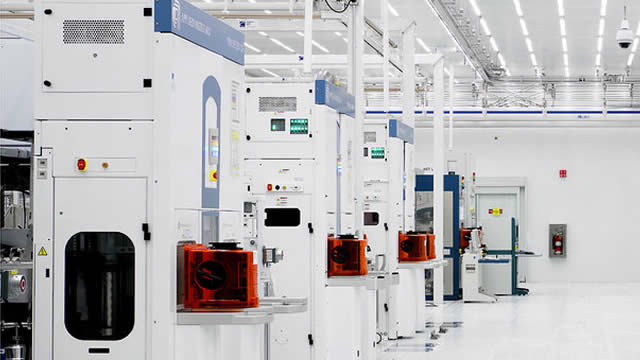
Taiwan Semiconductor Manufacturing Company (TSMC) plays a pivotal role in Nvidia’s success. As the primary manufacturer of Nvidia’s chips, TSMC’s advanced production capabilities are crucial for meeting the high demands of AI applications. The partnership between Nvidia and TSMC exemplifies the importance of strategic alliances in the semiconductor industry.
TSMC’s Impact on Nvidia’s Growth
- Advanced Manufacturing: TSMC’s leadership in chip manufacturing ensures that Nvidia’s products remain at the cutting edge of technology. The company’s ability to produce high-performance semiconductors is a key factor in Nvidia’s market dominance.
- Operational Efficiency: TSMC’s efficient production processes and high yield rates contribute to Nvidia’s ability to meet market demands. This operational advantage is critical for maintaining Nvidia’s competitive position in the AI sector.
- Global Supply Chain: TSMC’s role in the global semiconductor supply chain underscores its significance in supporting Nvidia’s growth. The company’s facilities in Taiwan and Arizona provide a robust infrastructure for producing Nvidia’s AI chips.
The Broader Implications for the Semiconductor Industry
Nvidia’s replacement of Intel on the DJIA is indicative of a broader shift within the semiconductor industry. As AI technologies continue to reshape market dynamics, companies that prioritize innovation and adaptability are poised to thrive. This transition highlights the importance of strategic foresight and the ability to capitalize on emerging trends.
Key Takeaways for Investors
- Focus on Innovation: Investors should prioritize companies that demonstrate a strong commitment to innovation, particularly in AI and related technologies. Nvidia’s success underscores the value of forward-thinking strategies in capturing market share.
- Strategic Partnerships: The importance of strategic alliances, such as Nvidia’s partnership with TSMC, cannot be overstated. Investors should consider the role of key partnerships in a company’s growth trajectory.
- Adaptability and Agility: Companies that can swiftly adapt to changing market conditions are better positioned for long-term success. Intel’s struggles highlight the risks of failing to keep pace with technological advancements.
Conclusion: Navigating the Future of Semiconductors
As Nvidia takes its place on the DJIA, the semiconductor industry stands at a crossroads. The rise of AI technologies presents both challenges and opportunities for companies within the sector. For investors, understanding the dynamics of this rapidly evolving landscape is crucial for making informed decisions.
In the face of these changes, Nvidia’s success serves as a testament to the power of innovation and strategic foresight. As the company continues to lead the charge in AI-driven technologies, its journey offers valuable insights for investors seeking to navigate the future of the semiconductor industry.
Actionable Insights for Investors
- Stay Informed: Keep abreast of developments in AI and semiconductor technologies to identify emerging opportunities.
- Evaluate Partnerships: Consider the role of strategic partnerships in a company’s growth strategy, as these alliances can significantly impact market positioning.
- Focus on Growth Potential: Prioritize companies with strong growth prospects and a clear vision for the future, particularly those that are well-positioned to capitalize on AI advancements.
By understanding the factors driving Nvidia’s success and Intel’s challenges, investors can better position themselves to capitalize on the opportunities within the semiconductor industry. As the landscape continues to evolve, staying informed and adaptable will be key to navigating this dynamic market.