MarketLens

Log in

What Does KuCoin's $500,000 CFTC Settlement Really Mean

1 hour ago
SHARE THIS ON:

What Does KuCoin's $500,000 CFTC Settlement Really Mean

Key Takeaways

  • KuCoin's $500,000 CFTC settlement, while significant, represents a distinct regulatory action from its larger $297 million penalty with the DOJ and FinCEN.
  • The case underscores the critical importance of robust Anti-Money Laundering (AML) and Know-Your-Customer (KYC) compliance, alongside proper registration, for all crypto exchanges serving U.S. customers.
  • This outcome signals an evolving U.S. regulatory landscape for digital assets, moving towards clearer guidelines and a more pragmatic enforcement approach, yet demanding proactive adaptation from market participants.

What Does KuCoin's $500,000 CFTC Settlement Really Mean?

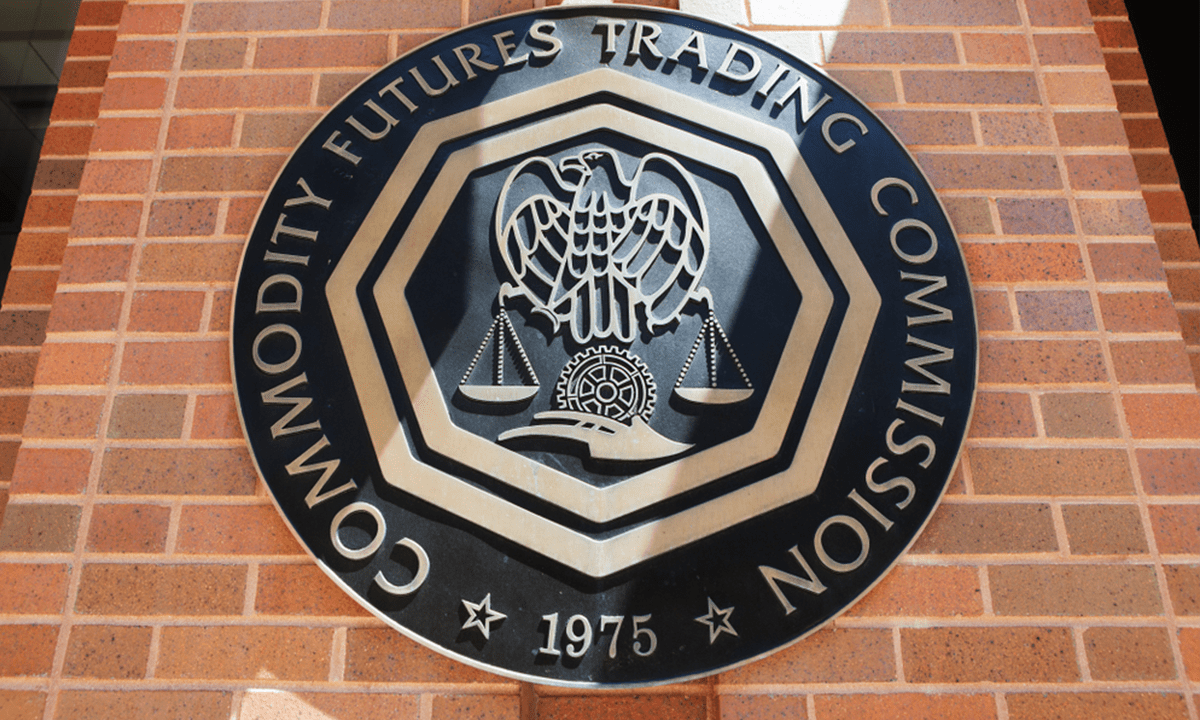
KuCoin, operating through its entity Peken Global Limited, recently agreed to a $500,000 civil monetary penalty with the U.S. Commodity Futures Trading Commission (CFTC). This settlement, entered by the U.S. District Court for the Southern District of New York, resolves allegations that the popular cryptocurrency exchange allowed U.S. participants to trade directly on its platform without registering as a foreign board of trade. The CFTC's action, initiated in March 2024, specifically targeted KuCoin for accepting orders for commodity futures, swaps, and leveraged transactions without the requisite registration.

While a $500,000 fine might seem modest compared to other enforcement actions in the crypto space, it's crucial to understand this settlement in context. This particular resolution focuses solely on the CFTC's civil allegations regarding unregistered derivatives trading. The Commission explicitly stated it was not seeking disgorgement in this instance, reflecting a more measured approach compared to previous administrations that often pursued broader injunctive relief and asset forfeiture. This pragmatic stance highlights a growing recognition that regulatory clarity, rather than purely punitive action, is essential for integrating the cryptocurrency industry into the existing financial framework.

The settlement concludes a specific facet of KuCoin's regulatory challenges, but it is not the full story. This civil penalty from the CFTC is separate from the more substantial $297 million settlement KuCoin reached with the Department of Justice (DOJ) and the Financial Crimes Enforcement Network (FinCEN). That larger settlement, which involved a guilty plea to operating an unlicensed money transmitting business and significant breaches of AML/KYC regulations, saw KuCoin agree to exit the U.S. market for at least two years. The CFTC's action, therefore, represents one piece of a broader, multi-agency effort to bring offshore crypto exchanges into compliance with U.S. law.

This distinction is vital for investors and industry observers. The CFTC's focus on unregistered derivatives trading underscores its jurisdiction over certain digital assets deemed commodities, like Bitcoin (BTC) and Ethereum (ETH). As of March 31, 2026, Bitcoin is trading at $67,437.40 with a market cap of $1.35 trillion, while Ethereum stands at $2,057.01 with a market cap of $248.27 billion. The CFTC's consistent enforcement in this area signals its intent to regulate the derivatives markets for these assets, regardless of the underlying spot market's classification.

What Were the Core Allegations Against KuCoin?

The allegations against KuCoin, which led to both the CFTC settlement and the much larger DOJ/FinCEN penalties, painted a picture of systemic non-compliance with fundamental U.S. financial regulations. At its core, the CFTC charged KuCoin with illegally dealing in off-exchange commodity futures and leveraged retail commodity transactions. This included soliciting and accepting orders for these products from U.S. customers without registering as a Futures Commission Merchant (FCM), failing to diligently supervise its FCM activities, and operating a swap execution facility (SEF) or designated contract market (DCM) without proper registration.

Beyond the CFTC's specific derivatives-related charges, the DOJ and FinCEN indictment revealed even more egregious failures related to Anti-Money Laundering (AML) and Know-Your-Customer (KYC) protocols. Prosecutors accused KuCoin and its co-founders of conspiring to violate AML laws by neglecting to implement effective KYC processes and failing to file Suspicious Activity Reports (SARs). Between 2017 and 2023, KuCoin reportedly failed to implement any AML measures, actively misleading the public about its compliance. Public statements falsely claimed KYC was unnecessary, allowing the platform to circumvent U.S. regulations and conceal its substantial U.S. user base, estimated at 1.5 million customers.

These oversights allegedly allowed billions of dollars in criminal funds, including proceeds from ransomware, darknet markets, and fraud schemes, to flow through KuCoin’s platform. Prosecutors claimed KuCoin handled over $9 billion in illicit transactions between 2017 and 2024. The exchange also allegedly neglected to register with the Treasury Department’s Financial Crimes Enforcement Network (FinCEN) as a Money Services Business (MSB), a critical requirement for platforms facilitating money transmission. This dual failure to register with both the CFTC and FinCEN highlighted a broad disregard for the regulatory perimeter.

It wasn't until May 2023, after receiving an alert about a federal criminal investigation, that KuCoin even attempted to set up a proper AML program. However, this new program was deemed insufficient, failing to meet basic Bank Secrecy Act (BSA) requirements. The company updated its Terms of Service to restrict U.S. users, but allegedly still allowed them to access and trade on the platform, demonstrating a pattern of subterfuge regarding its U.S. activities. These comprehensive failures to implement robust compliance measures and register with appropriate bodies form the bedrock of the government's actions against the exchange.

Is the U.S. Regulatory Landscape for Crypto Shifting?

The KuCoin settlement, particularly the CFTC's measured approach, suggests a nuanced evolution in the U.S. regulatory landscape for digital assets. Under the previous administration, similar cases often emphasized aggressive remedies, including broader injunctive relief and disgorgement. Here, the resolution appears more pragmatic, focusing on a defined civil penalty without additional financial burdens beyond the fine itself. This reflects a growing recognition that regulatory clarity, rather than purely punitive action, is essential for integrating the cryptocurrency industry into the existing traditional financial framework.

Indeed, 2025 saw regulators significantly ease regulatory barriers for the crypto industry. This included rescinding guidance that previously blocked SEC-regulated firms from engaging in crypto services and dropping pending enforcement actions. The Department of Justice also announced a shift, stating it would cease targeting crypto exchanges and service providers for the actions of their users or for "unwitting" violations of regulations, except in cases involving defrauding customers, unlawful conduct by cartels, or terrorist organizations. This signals a move towards holding platforms accountable for their own actions and compliance, rather than broadly penalizing them for all user activity.

Congress is also actively working towards greater clarity. The CLARITY Act, if passed, would complement the GENIUS Act by establishing a regulatory framework for digital assets not covered by existing legislation, likely giving the CFTC jurisdiction over most types of digital assets. This legislative push aims to resolve longstanding questions around jurisdiction, market structure, and permissible trading venues, which will shape the regulatory perimeter and the extent to which digital asset markets can integrate with traditional finance. The goal is to create safe, clearly defined lanes for crypto entrepreneurs to build in the U.S. without constant threat of retroactive enforcement.

This evolving approach also emphasizes U.S. competitiveness. Policymakers are increasingly recognizing that overly complex or ambiguous rules do not eliminate risk; they simply export activity, liquidity, and talent offshore. With more than 80% of global crypto trading volume still occurring outside the U.S., there's a strong incentive to create an attractive domestic environment. Effective regulation must protect customers while also making the U.S. a viable venue for capital formation and trading. This implies a greater emphasis on technology-neutral rules that regulate outcomes—fair markets, disclosure, and integrity—rather than dictating specific technical architectures, ultimately aiming to bring offshore volume back onshore.

What Are the Implications for Other Crypto Exchanges?

KuCoin's multi-faceted settlements serve as a stark warning and a critical lesson for other cryptocurrency exchanges, particularly those operating or seeking to operate in the U.S. market. The primary implication is the undeniable necessity of robust Anti-Money Laundering (AML) and Know-Your-Customer (KYC) programs. The allegations against KuCoin highlighted a complete failure to implement these basic financial crime prevention measures, allowing illicit funds to flow through its platform. Any exchange hoping to avoid similar fate must prioritize comprehensive AML/KYC protocols, including thorough customer risk assessments, ongoing transaction monitoring, and timely reporting of suspicious activities.

Beyond AML/KYC, the case underscores the critical importance of proper registration with relevant U.S. regulatory bodies. KuCoin faced charges from both the CFTC for failing to register as an FCM or SEF/DCM, and from FinCEN for operating as an unlicensed money transmitter. This demonstrates that exchanges cannot pick and choose which regulations to follow; they must understand and comply with all applicable licensing requirements in every jurisdiction where they serve customers. The cost of non-compliance, as evidenced by KuCoin's $297 million in penalties and its two-year exit from the U.S. market, far outweighs the investment in regulatory adherence.

The case also illustrates the complexities of multi-jurisdictional regulations and the need for global compliance strategies. While blockchain technology offers anonymity and borderless transactions, regulators and traditional financial institutions are developing advanced analytical tools to trace and monitor transactions. The rise of Decentralized Finance (DeFi) and Non-Fungible Tokens (NFTs) further complicates AML efforts, creating new challenges for oversight. Exchanges must stay ahead of these evolving risks, leveraging technologies like blockchain analytics and artificial intelligence to enhance their AML detection capabilities.

Finally, the deferred prosecution agreements for KuCoin founders Chun Gan and Ke Tang, who agreed to pay $2.7 million each and are barred from management, send a clear message about individual accountability. While their cooperation may have prevented arrest, it highlights that executives of non-compliant firms face personal as well as corporate repercussions. The industry must recognize that the era of operating in regulatory gray areas is rapidly closing. Proactive measures, transparency, and a genuine commitment to compliance are no longer optional but essential for long-term viability and public trust.

What Does This Mean for Investors in the Digital Asset Space?

For investors, the KuCoin settlements, particularly the CFTC's action, offer both cautionary tales and signs of maturing market infrastructure. The primary takeaway is that regulatory enforcement remains a significant, albeit evolving, force in the digital asset space. While the CFTC's $500,000 fine was less severe than the DOJ's action, it reinforces the agency's commitment to policing unregistered derivatives trading. This means investors should prioritize using regulated exchanges that adhere to U.S. laws, as these platforms offer greater protection against operational risks and potential market disruptions caused by enforcement actions.

The ongoing regulatory scrutiny, while sometimes perceived as a headwind, ultimately contributes to the long-term health and stability of the crypto market. Clearer rules and robust enforcement help weed out bad actors, reduce systemic risk, and build confidence among institutional investors. This is crucial for the continued integration of digital assets into traditional finance. The market is showing signs of maturation, with Bitcoin's "sell the news" pattern around Fed decisions indicating less speculative, more fundamental reactions. Bitcoin (BTC) is currently trading at $67,437.40, up 1.05% from its previous close, while Ethereum (ETH) is at $2,057.01, up 1.60%.

However, investors must remain aware of the inherent risks. The "Bitcoin Quantum Risk" narrative, suggesting that Taproot could increase exposed funds to quantum threats, is an example of the technological uncertainties that persist. Similarly, the volatility of the market is ever-present, with analysts debating whether Bitcoin's current retest of crucial levels signals an "absolute bottom" or further shakeouts. While Ethereum treasury company Bitmine recently loaded up on 71,179 ETH, taking its supply share to 3.92%, indicating institutional confidence, price predictions for a breakout to $2.1K after shaking out weak hands highlight the speculative nature of the market.

The push for regulatory clarity, including the potential passage of acts like CLARITY, aims to create a more predictable environment. This could lead to increased institutional participation and the development of more regulated products, potentially reducing volatility and enhancing liquidity. Deep, resilient markets require professional liquidity providers, and explicit exemptions or safe harbors for bona fide market-making activity would materially improve market quality. For now, investors should conduct thorough due diligence on the platforms they use, understand the regulatory status of their investments, and maintain a diversified portfolio to mitigate risks in this evolving asset class.


The KuCoin settlements underscore a critical juncture for the crypto industry: the era of operating outside established financial regulations is definitively over. While the U.S. regulatory environment is evolving towards greater clarity and competitiveness, the message is clear – compliance is non-negotiable. Investors and exchanges alike must adapt to this new reality, prioritizing transparency and robust risk management for sustainable growth in the digital asset space.


Want deeper research on any stock? Try Kavout Pro for AI-powered analysis, smart signals, and more. Already a member? Add credits to run more research.

SHARE THIS ON:

Related Articles

Category

You may also like

Crypto News3 weeks ago

SEC crypto enforcement shift highlighted as justin sun case nears $10 million BitTorrent settlement

The SEC filed a proposed final judgment targeting Rainberry Inc., the BitTorrent protocol owner, requiring a $10M civil penalty. This resolution signals a potential shift in federal crypto enforcement...
Stock News3 weeks ago

Here's Everything Investors Need to Know About Oklo's Meta Deal

Nuclear power startup Oklo's financial standing, marked by ongoing losses, makes a new agreement with Meta a critical development for investors to assess.
Crypto News1 months ago

Are spot Bitcoin ETFs at risk after custodian Coinbase reports $667M loss? The 1.5M BTC question

Coinbase swung to a $667M loss, driven by cooling crypto prices and activity, which may concern spot Bitcoin ETF custodians and COIN shareholders.
Crypto News2 months ago

Nexo Fined $500K for Unlicensed Crypto Loans in California

Nexo received a $500K fine from California regulators because the company offered unlicensed cryptocurrency lending services within the state.

Breaking News

View All →

Top Headlines

View More →
Stock News1 hour ago

Microsoft to Invest Over $1 Billion in Thailand for Cloud, AI Infrastructure

Stock News1 hour ago

REITs Are the S&P 500's Highest Yielding Sector. Realty Income and 3 More to Buy Now.

Stock News3 hours ago

Microsoft plans $1 billion investment in Thailand, Thai government says

Stock News4 hours ago

S&P 500 could fall to 6,150: analyst explains how to play the dip

Stock News5 hours ago

Union workers ratify contract at Exxon Louisiana complex, sources say