MarketLens
What Does Nordex's Record-Breaking Turbine Order Mean for the Onshore Wind Market

Key Takeaways
- Nordex Group's new N175/6.X turbine, with its record 199-meter hub height, is a game-changer for low-wind sites in Germany, promising significantly higher energy yields.
- The company's strategic focus on advanced turbine technology and high-margin service contracts is bolstering its market position and driving robust order intake across Europe.
- Despite strong growth and innovation, Nordex faces intense competition, regulatory uncertainties, and supply chain risks that demand careful investor consideration.
What Does Nordex's Record-Breaking Turbine Order Mean for the Onshore Wind Market?
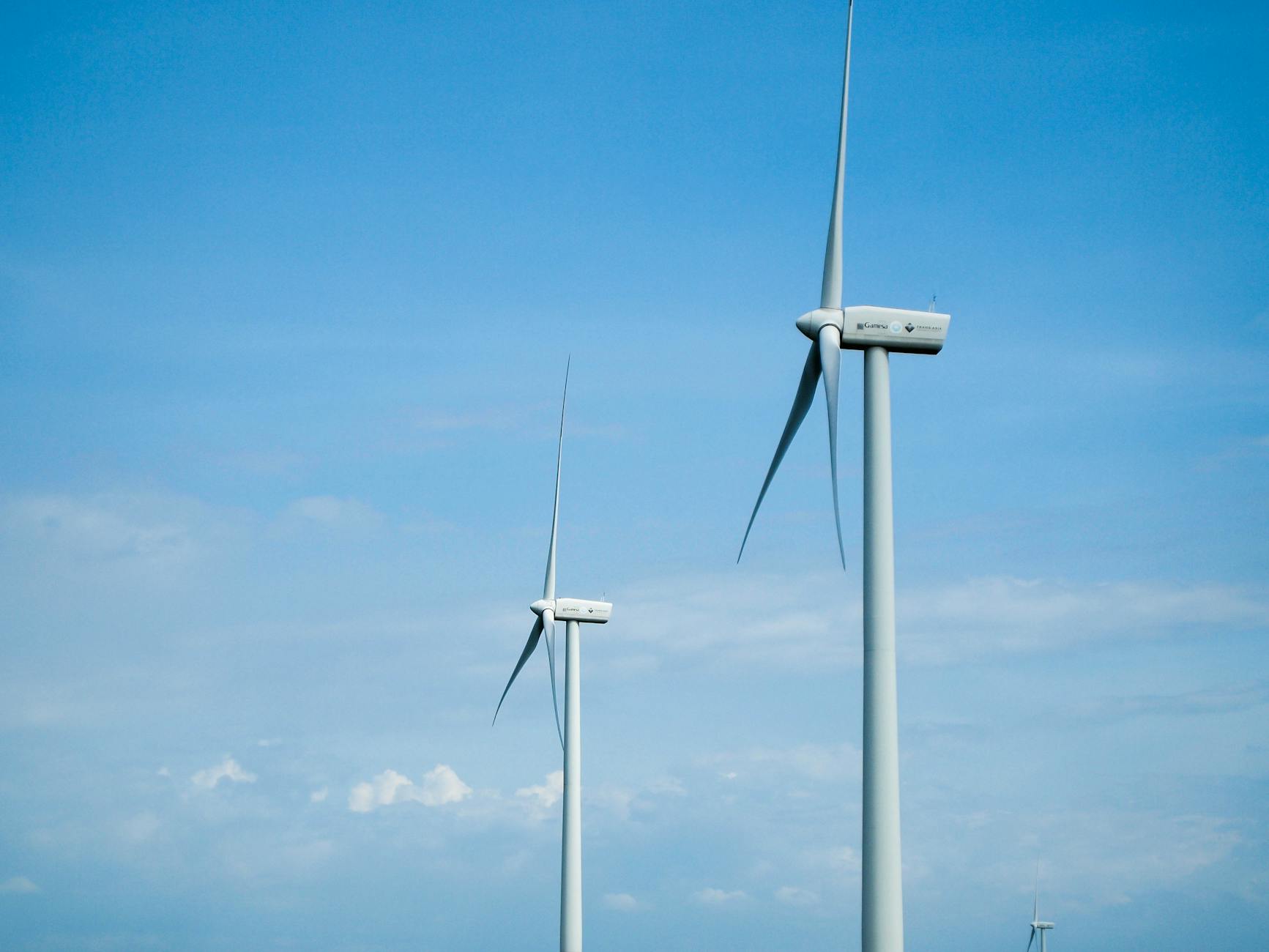
Nordex Group (NDX1.DE) recently secured its inaugural order for the N175/6.X wind turbine, featuring an unprecedented 199-meter hub height, destined for a 21 MW project in North Rhine-Westphalia, Germany. This isn't just another contract; it marks a significant technological leap for the European onshore wind sector, particularly in regions characterized by low to medium wind speeds. The ability to deploy turbines at such elevated heights unlocks previously uneconomical sites, fundamentally altering the landscape for renewable energy development. This strategic move positions Nordex at the forefront of innovation, addressing a critical market need for consistent, high-yield energy generation even when the wind isn't howling.
The N175/6.X is a specialist for low-wind sites, designed to maximize energy capture where other turbines struggle. Its exceptional hub height allows it to tap into more stable and stronger wind flows that exist at higher altitudes, ensuring greater system availability. This is particularly crucial in Germany, where electricity prices often spike during periods of low wind feed-in. By enabling operators to produce power precisely when it's most valuable, Nordex is offering a compelling economic advantage, making wind power generation more attractive and reliable for investors and grid operators alike.
This new turbine is an evolution of Nordex's globally successful Delta4000 platform, leveraging proven technical concepts while introducing significant enhancements. With a rotor diameter of 175 meters and a swept area exceeding 24,000 square meters, the N175/6.X achieves between 7% and 14% more yield compared to its sister models, the N163/5.X and N163/6.X. In low-wind conditions, this yield improvement can soar to as much as 22%. This blend of innovation and reliability, built on a well-established platform, minimizes development risks while delivering substantial performance gains.
The project in Marienmünster-Altenbergen will see three N175/6.X turbines, each with a nominal output of 7 MW, installed on Nordex’s proprietary concrete-steel hybrid tower system. Construction of the foundations is slated for September 2026, with commissioning anticipated by summer 2027. This pilot project is a powerful demonstration of Nordex's advanced hybrid tower technology, which has been successfully deployed in over 2,500 turbines worldwide, including projects in Finland and other European countries with hub heights up to 179 meters. The move to 199 meters is a natural progression, setting new benchmarks for resilient and economically viable onshore wind energy in Germany.
How Does the N175/6.X Turbine Gain a Competitive Edge?
The N175/6.X turbine's competitive advantage stems from a combination of innovative design, proven technology, and strategic market alignment. Its ability to operate efficiently at low wind speeds, thanks to the record 199-meter hub height and large rotor diameter, directly addresses a critical challenge in many European markets: maximizing energy production in less-than-ideal wind conditions. This isn't just about generating more power; it's about generating power consistently and profitably, especially when grid demand and electricity prices are higher during periods of low wind.
Nordex has engineered the N175/6.X with a single-piece, newly-designed 85.7-meter-long rotor blade, contributing to its above-average capacity factor. This optimized aerodynamic design, combined with the increased swept area, allows the turbine to capture significantly more energy from lighter breezes. The cut-in wind speed is a mere 3 m/s, meaning it can start generating electricity from very gentle winds that other turbines might not even register. This enhanced performance in low-wind conditions translates directly into higher annual energy production and, consequently, greater economic benefits for operators.
Furthermore, the N175/6.X benefits from being part of the proven Delta4000 platform. This strategic decision means the turbine utilizes existing, field-tested components such as the control system, flexible rated power options, and large parts of the nacelle from its sister model, the N163/6.X. This approach significantly reduces development costs and time-to-market, while also ensuring high reliability and leveraging established supplier networks and production capacities. It's an evolutionary strategy, not a revolutionary one, which provides a strong foundation of trust and operational efficiency.
Beyond its core performance, the N175/6.X offers operational flexibility and adaptability crucial for diverse project requirements. It comes with site-dependent power modes for optimized suitability in terms of sound, load, and power output. Features like a bat module for wildlife protection, on-demand night-time marking, and a cold climate variant for operation down to -30°C further enhance its versatility. This comprehensive suite of capabilities, coupled with an operational lifetime designed for 25 years (with potential extension to 35 years), positions the N175/6.X as a highly attractive and future-proof solution for wind farm developers seeking maximum return on investment and long-term reliability.
Is Nordex Expanding Its Market Footprint in Europe and Beyond?
Nordex is indeed aggressively expanding its market footprint, particularly within Europe, leveraging its advanced turbine technology and a robust service business. The recent order for the N175/6.X in Germany is a prime example of this strategy, solidifying its position in its home market. In 2025, Nordex was responsible for supplying over 31% of all newly-grid connected onshore wind turbines (in MW) in Germany, installing 285 turbines with a total capacity of approximately 1,647 MW. This market leadership underscores the company's deep understanding of local market requirements and its ability to deliver tailored solutions.
Beyond Germany, Nordex has demonstrated strong order intake across various European countries. In January 2026, the company reported new European onshore wind orders totaling 220 MW, spanning the UK, Türkiye, Lithuania, and Sweden. These contracts often include multi-year service and maintenance agreements, which are crucial for securing long-term turbine performance and generating recurring, higher-margin service revenues. For instance, a project in Lithuania will feature seven N175/6.X turbines in a cold climate version with Nordex's Advanced Anti-Icing System, highlighting its specialized offerings for challenging environments.
The company's strategic re-entry into the North American market and continued expansion in countries like Brazil and India also signal a broader global ambition. While Europe remains a core focus, Nordex CEO Jose Luis Blanco Diéguez has expressed an invigorated desire to compete with Chinese rivals outside of Europe and the US, rejecting claims of retreat from markets like Latin America or Africa. This global perspective, combined with a manufacturing network that includes factories in Germany, Spain, Brazil, India, and the USA, provides a strong foundation for diversified growth and resilience against regional market fluctuations.
Nordex's growth strategy is not solely dependent on new turbine sales; its service segment is a significant and rapidly expanding driver. The service business's order intake more than doubled in 2024, increasing by 114% to €1.98 billion. By Q2 2025, the service segment's order book had grown to €5.5 billion, emphasizing its critical role in diversifying revenue streams and ensuring long-term stability. This focus on recurring, high-margin service contracts enhances the overall quality of Nordex's earnings and provides a more predictable revenue base, which is highly attractive to investors.
What Do Nordex's Financials and Order Book Tell Us?
Nordex's financial trajectory shows a company on a strong upward path, marked by a significant turnaround and robust order book. After experiencing a net loss in 2023, the company achieved a net profit of €9 million in fiscal year 2024. This turnaround is a testament to the effectiveness of its growth strategy, which prioritizes profitability over sheer volume, as evidenced by a deliberate slowdown of installations in Q1 2025 to focus on higher-margin projects. This disciplined approach is crucial in a competitive industry where pricing pressure can often erode margins.
The company's consolidated sales reached approximately €7.6 billion in 2025, building on €7.3 billion in 2024. This consistent revenue generation is supported by a formidable order book, which stood at €14.3 billion as of June 2025. This substantial backlog provides excellent revenue visibility and operational stability for the coming years. The Projects segment saw its order intake climb to 2,182 MW in Q1 2025 from 2,086 MW in Q1 2024, and further to 2,310 MW in Q2 2025, an 81.7% rise compared to Q2 2024. These figures underscore strong demand for Nordex's turbine offerings across multiple geographies.
Analyst forecasts project Nordex to reach €9.0 billion in revenue and €353.9 million in earnings by 2028. This implies an 8.0% yearly revenue growth and a substantial €293.6 million increase in earnings from the €60.3 million reported today. While some more cautious analysts anticipate slightly lower figures, the consensus points to a strong growth trajectory, driven by the company's expanding order book and its strategic emphasis on the high-margin service business. The service segment's order book alone, at €5.5 billion by Q2 2025, provides a solid foundation for recurring revenue and improved earnings quality.
Nordex's current market capitalization stands at €10.45 billion, with shares trading at €44.20 as of March 26, 2026. The stock has seen significant appreciation, with its 52-week range spanning from a low of €12.73 to a high of €46.90, indicating strong investor confidence in its recent performance and future prospects. The company's beta of 1.32 suggests it is more volatile than the broader market, which is typical for growth-oriented industrial stocks in the renewable energy sector. This financial strength and positive outlook position Nordex well to capitalize on the global energy transition.
What Key Risks Could Impact Nordex's Growth Trajectory?
Despite its impressive technological advancements and robust order book, Nordex faces several significant risks that could impact its growth trajectory and investor returns. The wind turbine manufacturing industry is intensely competitive, with numerous global players vying for market share. Maintaining its leadership position requires continuous innovation, aggressive cost efficiency, and the ability to adapt quickly to evolving market demands. This constant pressure can squeeze margins, especially if competitors introduce similar high-performance turbines or engage in aggressive pricing strategies.
Regulatory and policy shifts represent another major headwind. The wind energy sector is heavily influenced by government incentives, auction volumes, and environmental regulations. Changes in these policies, such as new tariffs, altered wind farm distancing laws, or shifts in subsidy structures, can significantly impact project feasibility and market access. For example, a sudden reduction in feed-in tariffs or a tightening of permitting processes in key European markets could slow down project development and reduce demand for new turbines, directly affecting Nordex's order intake and revenue.
Supply chain vulnerabilities also pose a substantial risk. The global nature of wind turbine manufacturing means Nordex is exposed to geopolitical events, economic instability, and logistical challenges. In 2024, over 76% of European shippers experienced disruptions, leading to material shortages, increased logistics costs, and production delays. Nordex has navigated past challenges, including a cyber incident in 2021-2022 and supply chain disruptions coupled with inflation during the same period. However, ongoing global tensions and a trend towards nationalism and protectionism could exacerbate these issues, impacting the availability and cost of critical components.
Finally, regional concentration remains a key risk for Nordex. While the company is expanding globally, a significant portion of its business, particularly in turbine sales, is concentrated in Europe. This dependency means that if policy support or demand were to soften in Europe, Nordex's growth could be disproportionately affected. Although the growing service segment offers some diversification and stability, a downturn in its primary market could still present considerable challenges. Investors must weigh these inherent industry and geopolitical risks against the company's strong growth catalysts.
Is Nordex a Buy, Sell, or Hold for Investors?
For investors evaluating Nordex (NDX1.DE), the picture is complex but leans towards a compelling long-term growth story, albeit with notable risks. The company's recent first order for the N175/6.X turbine, with its groundbreaking 199-meter hub height, is a clear signal of Nordex's technological leadership and its ability to innovate for specific market needs, particularly in low-wind regions. This innovation directly translates into higher energy yields and improved economic viability for wind projects, positioning Nordex favorably in the competitive European onshore wind market.
The strategic pivot towards high-margin service contracts is a significant positive, enhancing earnings quality and providing a more stable, recurring revenue stream. With the service order book reaching €5.5 billion by Q2 2025, this segment acts as a crucial buffer against the cyclical nature of turbine sales. Coupled with a robust overall order book of €14.3 billion as of June 2025 and a return to profitability in 2024, Nordex demonstrates strong operational momentum and financial discipline.
However, investors must not overlook the inherent risks. Intense market competition, the potential for adverse regulatory changes, and persistent supply chain vulnerabilities could all impact Nordex's ambitious growth targets. The company's reliance on European policy support, while currently a tailwind, could become a headwind if political priorities shift. Shares are currently trading at €44.20, near their 52-week high of €46.90, suggesting that much of the positive news may already be priced in.
Considering the strong technological edge, substantial order book, and strategic focus on high-margin services, Nordex appears to be a Hold for existing investors and a potential Buy for those with a high-risk tolerance and a long-term horizon. The N175/6.X is a powerful differentiator, but the stock's performance will hinge on continued execution, effective risk management, and sustained policy support for renewable energy.
Nordex is making significant strides in an essential industry, but its journey is not without its share of turbulence. Investors should monitor its ability to convert its impressive order backlog into profitable revenue, manage supply chain complexities, and navigate the ever-evolving regulatory landscape to truly capitalize on the global energy transition.
Want deeper research on any stock? Try Kavout Pro for AI-powered analysis, smart signals, and more. Already a member? Add credits to run more research.
Related Articles
Category
You may also like


Record Highs In Small Caps - Durable Rally Or Short-Term Bounce?

Top Wind Energy Stocks Worth Investing Now For Solid Returns

Does Rigetti's $8.4M C-DAC Order Strengthen Its Path to Scale?
Breaking News
View All →Featured Articles
Top Headlines

Meta paused its work with AI training startup Mercor after a data breach

Nvidia and Alphabet Both Have Amazing Potential in an AI Era. But Which Stock Is the Better Buy Right Now?

UPDATED: From Screen to Plate: CJ Foods' Cuisine. K Brings the Magic of Netflix Hit ‘Bon Appétit, Your Majesty' to U.S. Kitchens

AMD vs. Nvidia: The AI Supercycle Is Big Enough for Both. Here's the Better Buy.