MarketLens

Log in

What Exactly Are "Zombie" Second Mortgages, and Why Are They Resurfacing Now

3 hours ago
SHARE THIS ON:

What Exactly Are "Zombie" Second Mortgages, and Why Are They Resurfacing Now

Key Takeaways

  • "Zombie" second mortgages, dormant since the 2008 financial crisis, are resurfacing as rising home equity makes them profitable targets for debt buyers.
  • These unexpected liens pose significant financial and legal risks to homeowners who believed these debts were long resolved, often leading to demands for inflated payments or foreclosure threats.
  • State legislatures are becoming battlegrounds for new consumer protections, with some states enacting laws while the financial industry fiercely opposes broader reforms.

What Exactly Are "Zombie" Second Mortgages, and Why Are They Resurfacing Now?

Imagine believing a debt was long gone, only for it to reappear years later, threatening your home. This is the terrifying reality for a growing number of American homeowners facing what are colloquially known as "zombie" second mortgages. These are second liens, home equity loans, or lines of credit that lay dormant for years, often without any communication from the original lender, leading homeowners to reasonably assume the debt was discharged, forgiven, or simply forgotten. Now, with a booming housing market, these once-dormant obligations are clawing their way back to life, demanding payment and, in many cases, threatening foreclosure.

The primary catalyst for this resurgence is straightforward economics: home equity. After years of significant appreciation, properties that were once "underwater" or had minimal equity are now flush with it. This newfound equity provides a lucrative target for second mortgage holders, particularly debt buyers, who stand to gain substantial sums even after the first mortgage is satisfied. Homeowners, many of whom diligently paid down their first mortgages over the past decade, have inadvertently created a rich feeding ground for these resurrected debts.

Many homeowners are caught completely off guard because they haven't received statements for years, some even receiving 1099-C tax forms indicating debt cancellation or seeing the loans removed from their credit reports. This creates a false sense of security, making the sudden demands for payment or foreclosure notices all the more shocking. The Consumer Financial Protection Bureau (CFPB) has explicitly stated that these revived debts often catch homeowners completely off guard, placing them at serious risk of losing their homes, highlighting the widespread nature of this unsettling phenomenon.

How Did These Dormant Debts Originate from the 2008 Housing Crisis?

To understand the current "zombie mortgage" crisis, we must rewind to the frenzied lending environment preceding the 2007-2008 U.S. housing crash. During this era, predatory lenders frequently bundled first and second mortgages into single transactions, often referred to as "80-20 mortgages." These arrangements typically financed 80% of the principal through a first mortgage and the remaining 20% through a second, a strategy designed to keep the first mortgage within loan-to-value ratios for easy securitization. Many borrowers, swept up in the housing boom, were often unaware they had two distinct loans, or the implications of such a structure.

When the housing bubble burst, home values plummeted sharply across the nation. Properties often became worth less than the amount owed on the first mortgage alone, rendering these second liens effectively unsecured and practically worthless. Faced with no equity to recover, original second mortgage lenders largely stopped collecting payments. Many of these loans were subsequently charged off, sold at deep discounts, or simply left to languish on balance sheets as "dead" assets. This period of inaction further solidified homeowners' belief that these debts were permanently resolved, a reasonable assumption given the circumstances and the lack of communication.

The dormancy was also fueled by the collapse or bankruptcy of many original subprime lenders and servicers, such as GMAC, Ditech, Washington Mutual Bank, and IndyMac Bank. With no clear entity to collect or service these second mortgages, they faded from public view and homeowners' minds. This historical context is crucial, as it explains why so many homeowners genuinely believed these second mortgages were a relic of the past, only to find them resurrected years later by new, often unfamiliar, entities.

Who is Profiting from These Resurfaced Liens, and What Are Their Tactics?

The parties now threatening foreclosure on these zombie second mortgages are rarely the original lenders. Instead, a new secondary market has emerged, dominated by debt buyers and their collection agents. These firms specialize in acquiring vast portfolios of defaulted loan accounts, often for "pennies on the dollar," with the explicit strategy of waiting for market conditions – specifically, rising home equity – to make these once-worthless debts profitable. They opportunistically target equity-rich properties, aiming to either collect the inflated debt or, failing that, foreclose to gain unencumbered title by paying off the first mortgage.

Their tactics are often aggressive and designed to catch homeowners off guard. After years of silence, homeowners receive unexpected demand letters, lawsuits, or even direct foreclosure threats. These demands frequently include not just the original principal, but also years of accrued interest and various added fees, often inflating a $15,000 old second mortgage into a $45,000 demand, as highlighted by Chad D. Cummings of Cummings & Cummings Law. This practice of charging years of back interest is particularly contentious, especially when no periodic statements were issued, a requirement under federal and state law.

The profit margins for these debt buyers can be staggering. One Bloomberg report detailed an example where a "zombie mortgage actor" (ARCPE or ARC) purchased a loan for just $2,131 on the secondary market. After foreclosing, the firm realized a profit of 2,321% over its initial investment. This illustrates the powerful financial incentive driving the resurgence of these dormant liens. Homeowners, often unfamiliar with these new entities, may initially dismiss the communications as scams, further complicating their ability to respond effectively and protect their homes.

What are the Dire Consequences for Homeowners Caught in the Crosshairs?

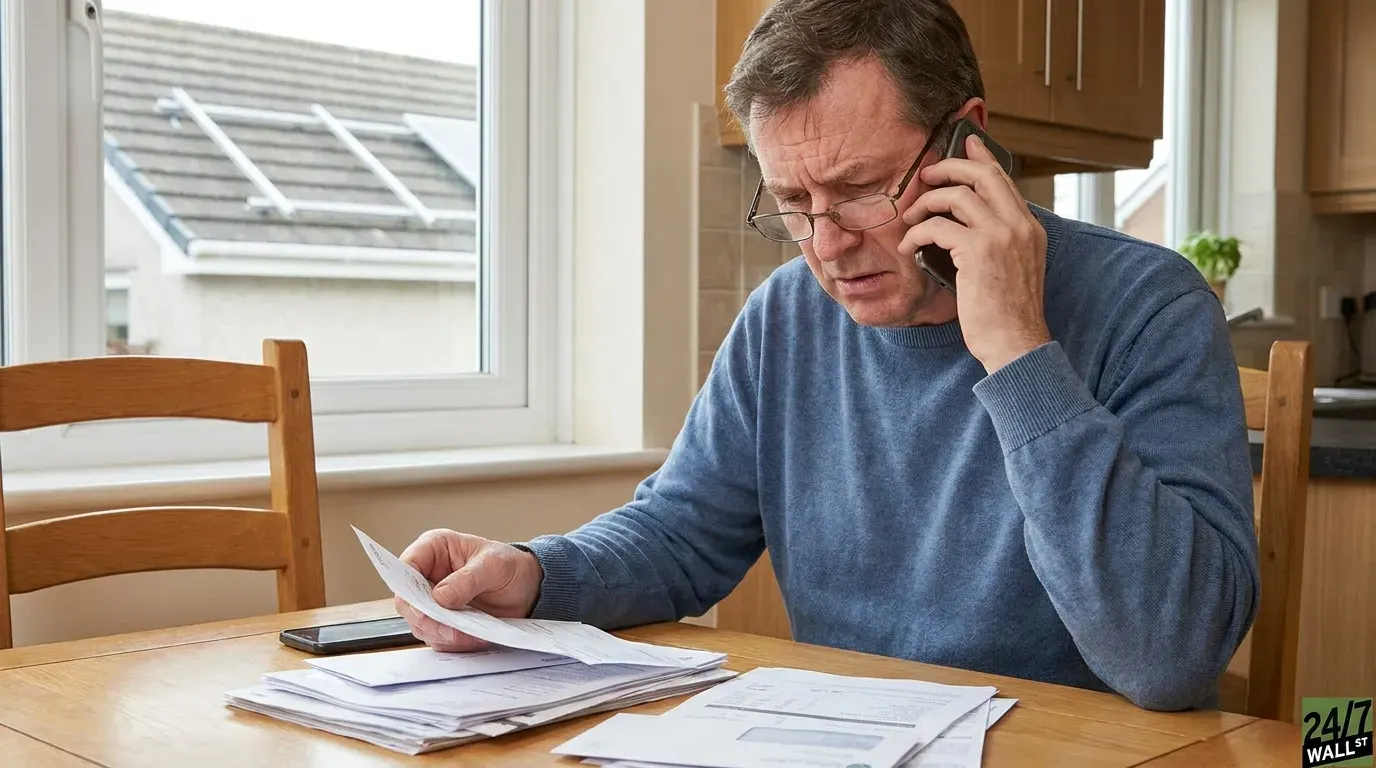
The impact of zombie second mortgages on homeowners is nothing short of devastating, creating a perfect storm of financial distress, legal complexity, and emotional turmoil. Many families, who believed their housing situations were stable and had diligently paid their first mortgages for years, are now blindsided by sudden demands for payment or, worse, foreclosure notices. This unexpected threat can wipe out years of accrued home equity and lead to the loss of a cherished family home, even if they are current on their primary mortgage.

Consider the case of Maryland resident Terence Hardin, who took out a $35,000 second mortgage in 2006. After the Great Recession, he modified his first loan and believed his second mortgage was consolidated or resolved. More than a decade later, he discovered it was not, facing a harsh reality. Similarly, Karen MacDonough, a nurse and mother, was evicted from her home despite being current on her first mortgage, falling victim to a zombie second lien she thought was dead. These are not isolated incidents; an NPR investigation found over 10,000 people recently received foreclosure notices over old zombie second mortgages.

Homeowners facing these demands often lack the necessary documentation or legal support to effectively challenge the claims. The original lenders are gone, records are sparse, and the debt buyers often cannot provide full loan histories or proper assignments. The Consumer Financial Protection Bureau (CFPB) has been vocal about the risks, noting that these revived debts place homeowners at serious risk. The psychological toll of living under the threat of losing one's home, especially over a debt believed to be long settled, adds another layer of profound hardship to an already complex financial predicament.

Are State Capitols and Federal Agencies Stepping Up to Protect Homeowners?

The resurgence of zombie second mortgages has ignited contentious legislative battles in state capitols across the country, with consumer advocates pushing for stronger protections against fierce opposition from the financial industry. States are becoming the primary battlegrounds because, while federal law touches on lending disclosures and debt collection, the core issues of lien ownership, foreclosure procedures, and statutes of limitation largely fall under state jurisdiction. This patchwork of state laws creates vulnerabilities that debt collectors are accused of exploiting.

Several states have already taken action. California, Connecticut, Ohio, and Virginia have passed laws to address abuses tied to zombie mortgages. For instance, Virginia enacted a provision in 2024 requiring debt collectors to attest to the accuracy of back interest owed before foreclosing, a measure that reportedly halted zombie foreclosures in the state for a year. Massachusetts and Maryland lawmakers are also considering similar legislation, though efforts in Maryland faced significant resistance, with a bill passing the House unanimously but stalling in the Senate after intense lobbying from the Maryland Bankers Association.

At the federal level, Senator Elizabeth Warren (D-MA) has emerged as a vocal critic, demanding answers and documentation related to loans that homeowners believed were canceled under the 2012 National Mortgage Settlement. She has expressed concern that banks may have received credit for extinguishing second mortgages in the settlement, only to sell those loans to debt collectors. The CFPB has also issued an advisory opinion in April 2023, clarifying that threatening to foreclose on time-barred mortgage debt may violate the Fair Debt Collection Practices Act (FDCPA), reminding collectors to be mindful of state statutes of limitations. However, consumer advocates argue that federal enforcement has been limited, leaving states to "reinvent the wheel" in their efforts to protect homeowners.

What Does This Mean for the Housing Market and Future Risks?

The zombie mortgage phenomenon introduces a significant layer of uncertainty into the housing market, particularly for homeowners who bought during the pre-2008 boom. It highlights a systemic vulnerability where long-dormant debts, once considered worthless, can suddenly become active liabilities, threatening homeownership and equity. This adds to existing affordability challenges, as prospective homeowners already grapple with high prices and interest rates. The sheer volume of these outstanding loans – Bloomberg estimated over 600,000 second mortgages from before 2008 remain outstanding – suggests this issue will continue to impact a substantial segment of the population.

For investors in the housing and debt markets, this trend presents a complex picture. While debt buyers have found a highly profitable niche, the increasing legislative scrutiny and consumer advocacy efforts could introduce new risks and compliance costs. States enacting stricter laws, like Virginia's requirement for interest accuracy, could make it "too risky" for some debt collectors to pursue even legitimate debts, potentially cooling this specific segment of the distressed debt market. The ongoing legal challenges and the potential for broader federal intervention, though historically limited, could further reshape the landscape.

Looking ahead, the crisis serves as a stark reminder of the long tail of the 2008 financial crisis and the need for robust consumer protections. Experts warn that a new wave of zombie mortgages could emerge from the home equity lines of credit taken out during the pandemic, as interest rates rise and economic pressures mount. The battle between homeowner protection and the financial industry's pursuit of old debts will likely intensify, shaping the future of mortgage regulation and the stability of homeownership for years to come.


The saga of zombie mortgages underscores the enduring legacy of past financial crises. As home values continue to fluctuate, both homeowners and investors must remain vigilant, understanding that "dead" debts can indeed rise again. The ongoing legislative efforts are critical, but ultimately, clarity and transparency in mortgage servicing are paramount to prevent future generations from facing similar terrifying surprises.


Want deeper research on any stock? Try Kavout Pro for AI-powered analysis, smart signals, and more. Already a member? Add credits to run more research.

SHARE THIS ON:

Related Articles

Category

You may also like

Stock News1 week ago

Why More Homebuyers Are Choosing the Mortgage Tied to the 2008 Housing Crisis

Adjustable-rate mortgage use is increasing due to persistently high borrowing costs, though housing experts currently do not foresee a repeat of the 2008 crisis risks.
Crypto News3 weeks ago

Missouri enters in Bitcoin race after 2025 failure: What's different this time?

Missouri revived a crypto bill requiring the state to hold Bitcoin for five years, following a quiet failure of similar legislation in 2025.
Crypto News1 months ago

Is Ethereum's activity growth fake? Behind the 3.86mln poisoned wallets

Ethereum's reported network activity growth is being questioned following a report detailing the existence of 3.86 million 'poisoned wallets' that skew usage metrics.
News3 months ago

When retirees go back to work is it a sign of a strong labor force — or a recession?

The trend of retirees returning to work, termed "unretirements," offers conflicting signals about the current health and future direction of the US job market.

Breaking News

View All →

Top Headlines

View More →
Stock News1 hour ago

Tesla Finally Has Its First Semi-Truck and It's Already a Hit With Truckers

Stock News2 hours ago

Amazon acquires Rivr, maker of a stair-climbing delivery robot

Stock News2 hours ago

Netflix (NFLX) Falls More Steeply Than Broader Market: What Investors Need to Know

Stock News3 hours ago

U.S. tech execs smuggled Nvidia chips to China, prosecutors say

Stock News3 hours ago

Amazon acquires startup Rivr to test robots for 'doorstep delivery'