MarketLens
What Exactly is a Crypto Wallet, and Why Does it Matter

Key Takeaways
- Crypto wallets don't store digital assets directly but rather the crucial private keys that grant access to your holdings on the blockchain.
- The fundamental choice lies between "hot" (online) wallets for convenience and "cold" (offline) wallets for superior security, with hardware wallets being the gold standard for long-term storage.
- Selecting the right wallet involves balancing security, convenience, cost, and specific use cases, alongside rigorous personal security practices like strong passwords and safeguarding recovery phrases.
What Exactly is a Crypto Wallet, and Why Does it Matter?
A crypto wallet isn't a digital piggy bank holding your Bitcoin or Ethereum; instead, it's a sophisticated tool that stores the cryptographic keys – specifically, your private keys – which are essential to access and manage your digital assets on various blockchains. Think of it like an online banking app: your public key is akin to your account number, shareable for receiving funds, while your private key is your PIN or password, which must remain absolutely secret. Anyone with your private key has full control over your funds, highlighting why wallet security is paramount.
This distinction is critical for understanding true ownership in the decentralized world. Unlike traditional finance where a bank holds your funds, a non-custodial crypto wallet ensures you, and only you, control your private keys. This "self-custody" is a cornerstone of the crypto ethos, offering unparalleled financial freedom but also demanding absolute personal responsibility. Losing your private key or recovery phrase can mean permanent loss of your assets, with no customer support to reset your password.
The ecosystem has matured significantly, moving beyond basic storage to enable complex interactions like decentralized finance (DeFi) and non-fungible token (NFT) platforms. Whether you're a casual investor or a seasoned trader, your choice of wallet dictates your level of security, convenience, and access to these burgeoning digital economies. The sheer volume of active cryptocurrency wallets, surpassing 820 million in 2025, underscores the widespread adoption and the increasing need for robust, user-friendly solutions.
Hot vs. Cold: Understanding the Core Security Trade-off
The primary decision facing any crypto holder revolves around "hot" versus "cold" storage, representing the fundamental trade-off between convenience and security. Hot wallets are digital storage solutions for private keys that are always connected to the internet. This includes software wallets (desktop or mobile apps) and web-based wallets (accessed via a browser). Their online nature makes them incredibly convenient for frequent transactions, quick access, and integration with various DeFi applications.
However, this constant internet connection is also their Achilles' heel, making them inherently more vulnerable to cyberattacks, hacking, and phishing attempts. While software wallets offer slightly more control than web-based wallets, which are often custodial and controlled by a host platform, both carry elevated risks compared to offline solutions. For instance, a malicious smart contract signed inadvertently through a hot wallet could send assets to a hacker.
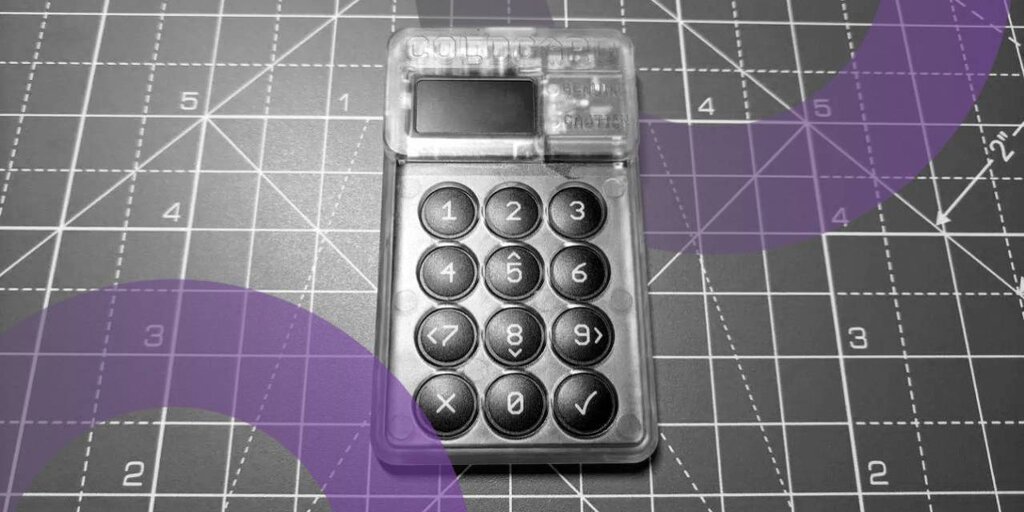
Cold wallets, conversely, store your private keys entirely offline, making them nearly impervious to online threats. This category primarily includes hardware wallets – physical devices resembling USB drives – and paper wallets, which are simply printed versions of your private keys, sometimes with QR codes. Hardware wallets are the industry gold standard for long-term security, designed to isolate the "private keys/signing" process from online environments, requiring physical confirmation on the device screen for transactions.
The inconvenience of cold storage – slower transactions, physical handling, and the need to connect to a computer for most hardware wallets – is a deliberate design choice that fortifies security. For significant crypto holdings, a multi-pronged approach is often recommended: using a hot wallet for small, tradable amounts and a cold wallet for the bulk of your long-term "HODL" assets. This strategy balances accessibility with maximum protection against the ever-present threats in the digital landscape.
Deep Dive into Wallet Types: Hardware, Software, and Paper
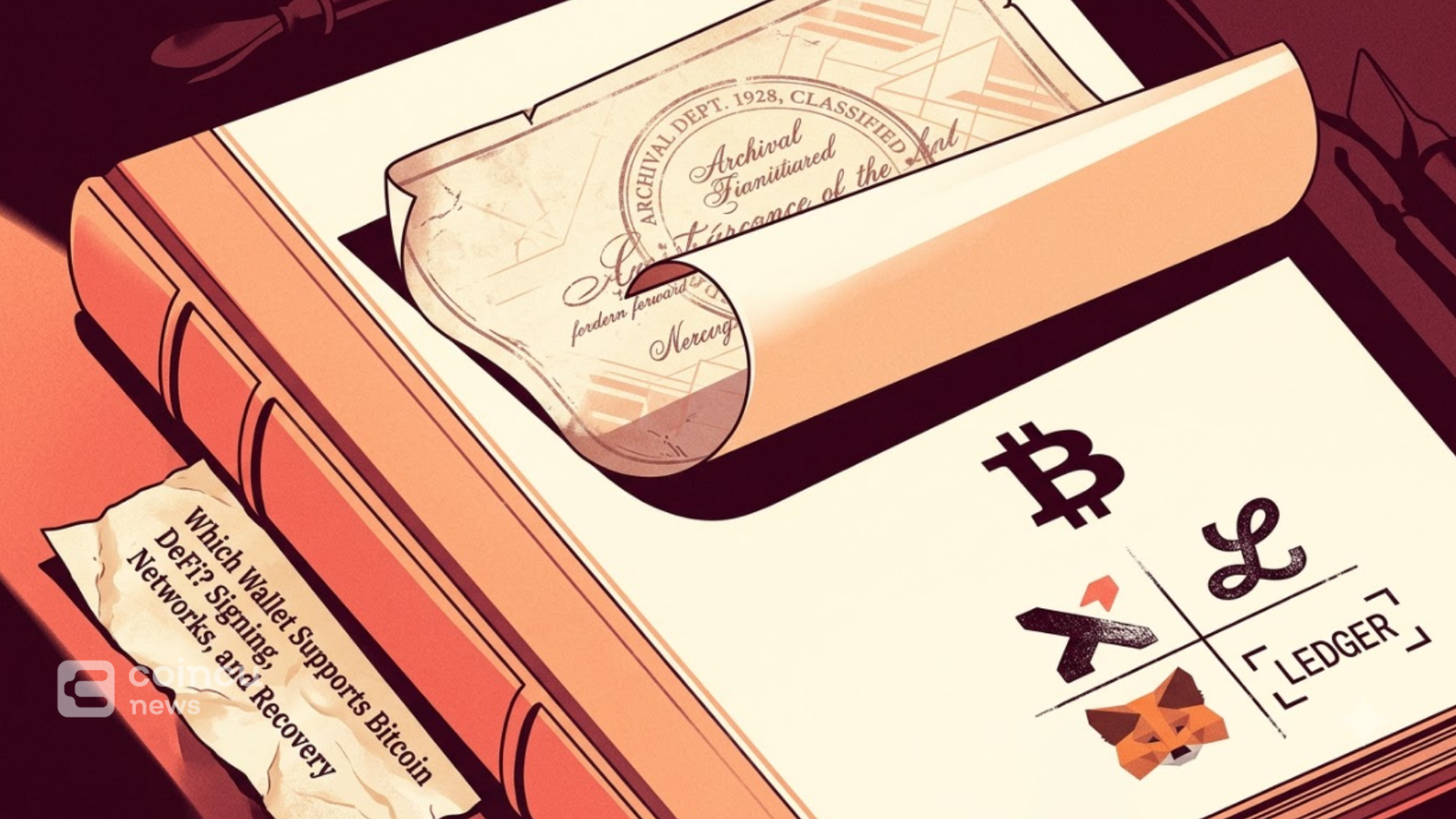
Beyond the hot-cold dichotomy, understanding the specific characteristics of each wallet type is crucial for making an informed choice. Hardware wallets are physical devices that store private keys offline, offering the highest level of security. Popular options like Ledger, Trezor, and newer innovations like Tangem provide robust protection. They connect to the internet only when initiating a transaction, and the signing process occurs securely within the device, often requiring physical button presses or screen confirmations. This air-gapped security makes them resistant to malware and phishing.
However, not all hardware wallets are created equal. Some, like Ledger and Trezor, still rely on a seed phrase for recovery, which itself can be a point of vulnerability if not stored securely. Newer entrants like Tangem have innovated with a "seedless" design, using multiple NFC-enabled cards as recovery options, eliminating the risk of a lost or leaked seed phrase. Tangem also stands out for its extreme portability and mobile-friendliness, working directly with a phone via NFC without cables or a PC, though its lack of a screen means key interactions are moved to the mobile app, which some users might find less secure for transaction verification.
Software wallets, often called "hot wallets," exist as applications on your desktop or mobile device. Examples include Exodus, Coinbase Wallet, and Trust Wallet. They offer a balance of convenience and security, allowing users to manage assets, interact with DeFi, and display NFTs directly from their devices. While more secure than web-based wallets due to greater user control, they are still susceptible to risks associated with internet connectivity, such as malware on the host device. Strong passwords, two-factor authentication (2FA), and keeping software updated are essential for these wallets.
Paper wallets, the "ultimate cold, offline, non-custodial crypto wallet," are simply physical printouts of your private keys, sometimes with QR codes. They offer extreme security as they are completely disconnected from any digital system. However, they come with their own set of risks: physical damage (fire, water), loss, or theft. If you lose the paper, and don't have a backup, your crypto is likely gone forever. They are generally not recommended for beginners due to the inherent risks and lack of recovery options beyond the physical paper itself.
Essential Security Practices for Protecting Your Digital Assets
Securing your crypto wallet goes far beyond just choosing the right type; it involves a continuous commitment to best practices that mitigate the ever-evolving landscape of cyber threats. The first line of defense is always robust password management. Use unique, complex passwords for all crypto-related accounts and enable two-factor authentication (2FA) wherever possible. Hardware-based 2FA (like Yubikey) or authenticator apps (Google Authenticator) are generally more secure than SMS-based 2FA, which can be vulnerable to SIM-swap attacks.
Crucially, safeguard your recovery phrase (also known as a seed phrase or secret recovery phrase). This 12 to 24-word string is the master key to your wallet; losing it or having it compromised means permanent loss of funds. Write it down physically and store it in multiple secure, offline locations, such as a fireproof safe or safety deposit box. Never store it digitally (e.g., on your computer, cloud storage, or email) and never share it with anyone, regardless of who they claim to be. Remember, no legitimate support team will ever ask for your recovery phrase.
Beyond personal practices, be vigilant against phishing scams, which the FBI notes as the most prevalent crypto scam. Scammers impersonate trusted entities through fake emails, websites, or social media messages to trick you into revealing sensitive information, including your private keys or recovery phrase. Always verify the legitimacy of sources, scrutinize website URLs, and be wary of unsolicited offers that seem "too good to be true."
Finally, maintain a secure digital environment. Only access your wallets from trusted, updated devices. Avoid public Wi-Fi networks, or use a VPN for an added layer of encryption. Regularly update your operating system, antivirus software, and wallet applications to benefit from the latest security patches. For larger holdings, consider advanced strategies like multisignature (multisig) wallets, which require multiple private keys to authorize transactions, adding an extra layer of redundancy and protection.
Choosing the Right Wallet for Your Investment Strategy
Selecting the ideal crypto wallet isn't a one-size-fits-all decision; it depends heavily on your specific investment needs, trading frequency, and risk tolerance. For beginners, ease of use and a clear, intuitive interface are paramount. Wallets like Zengo, Exodus, or Coinbase Wallet are often recommended for their user-friendly onboarding, guided backup flows, and responsive support. These typically offer a good balance of security and convenience for managing smaller portfolios or experimenting with crypto.
If you're an active trader who frequently buys, sells, or interacts with DeFi protocols, a hot wallet offers the necessary speed and accessibility. Mobile wallets like Trust Wallet or MetaMask (especially when paired with security features like Wallet Guard for transaction transparency) are popular choices for their convenience and broad Web3 compatibility. However, for these use cases, it's crucial to limit the amount of crypto held in your hot wallet to only what you need for active trading, keeping the majority in more secure cold storage.
For long-term investors or those holding substantial amounts of cryptocurrency, a hardware wallet is the undisputed champion. Devices like Ledger Nano X, Trezor Safe 3, or the innovative Tangem Wallet provide the highest level of security by keeping your private keys offline. When choosing a hardware wallet, consider factors like open-source transparency (for auditability), ease of setup, supported cryptocurrencies, and unique features like Tangem's seedless design or OneKey's on-device screen confirmation.
Ultimately, a diversified storage strategy is often the most prudent approach. Many experienced investors use a combination of wallets: a convenient hot wallet for daily transactions or small speculative plays, and a robust hardware wallet for their core, long-term holdings. This multi-wallet approach allows you to leverage the benefits of different wallet types while minimizing exposure to their respective risks, ensuring both flexibility and peace of mind in your crypto journey.
The Future of Crypto Wallets: Innovation Meets Security
The crypto wallet landscape is continuously evolving, driven by a relentless pursuit of both enhanced security and improved user experience. Innovations like seedless wallets, exemplified by Tangem, are addressing one of the most significant vulnerabilities in self-custody: the recovery phrase. By replacing the traditional 12 or 24-word seed with multiple NFC-enabled cards, these wallets aim to simplify backup and recovery while eliminating the risk of seed theft or mismanagement. This shift could make hardware wallets more accessible and less intimidating for mainstream adoption.
Another area of significant development is the integration of fiat gateways and simplified user interfaces, especially for beginners. Wallets like Trustee Plus are focusing on "idiot-proof UX," allowing users to buy crypto directly with bank cards or Apple Pay, making the onboarding process as simple as an e-commerce transaction. This focus on seamless fiat-to-crypto conversion within the wallet itself removes a major hurdle for new users, abstracting away the complexities of exchanges.
Furthermore, the emphasis on open-source transparency and verifiable code, as seen in wallets like OneKey and Trezor, is becoming increasingly important. This allows the broader community to audit the wallet's security, fostering trust and identifying potential vulnerabilities. As the industry matures, we can expect more wallets to adopt these principles, providing greater assurance to users about the integrity of their chosen storage solutions.
The future will likely see a blend of these innovations: highly secure, mobile-friendly hardware wallets with simplified recovery mechanisms, seamlessly integrated with user-friendly software interfaces that support a wide array of digital assets and DeFi applications. The goal remains to empower individuals with true ownership of their digital wealth, making self-custody both secure and accessible for everyone.
As the crypto market continues its rapid evolution, the importance of robust wallet security cannot be overstated. By understanding the nuances of hot and cold storage, adopting stringent security practices, and choosing wallets that align with your investment strategy, you can confidently navigate the digital asset space. Stay informed, stay vigilant, and embrace the power of self-custody.
Want deeper research on any stock? Try Kavout Pro for AI-powered analysis, smart signals, and more. Already a member? Add credits to run more research.
Related Articles
Category
You may also like


The XRP Billionaire Club: Who Holds the Biggest Bags in 2026?

More people are using Ethereum for the first time, data shows

Tether and Rumble Launch Self-Custodial Wallet for Crypto Payments
Breaking News
View All →Featured Articles
Top Headlines

S&P 500 Earnings And A StyleBox Update For March 31, 2026

Top Wall Street analysts see strong growth potential in these 3 stocks

How Amazon Just Turned Your Smart Speaker Into Its Next Big Opportunity

A Generational Investment Opportunity: 3 AI Stocks I'm Buying Now