MarketLens

Log in

What is DataStream Analytics' Strategic Play in the Cloud Analytics Market

1 hour ago
SHARE THIS ON:

What is DataStream Analytics' Strategic Play in the Cloud Analytics Market

Key Takeaways

  • DataStream Analytics is strategically leveraging a new partnership with Google Cloud's Datastream to enhance its real-time data integration and analytics capabilities, targeting the burgeoning SMB market.
  • The collaboration significantly expands DataStream's service offerings, enabling seamless data replication from diverse sources into Google Cloud's robust analytics ecosystem, thereby boosting operational efficiency and competitive positioning for its clients.
  • Despite intense competition from industry giants, DataStream's specialized focus on SMBs and its ability to deliver cost-effective, scalable, and AI-powered solutions position it for substantial growth in the rapidly expanding cloud analytics market.

What is DataStream Analytics' Strategic Play in the Cloud Analytics Market?

DataStream Analytics is making a calculated move to carve out a significant niche in the highly competitive cloud analytics landscape, primarily by forging a strategic partnership with Google Cloud. This collaboration centers around Google Cloud's Datastream, a fully managed change data capture (CDC) service, which is a critical component for real-time data ingestion and synchronization. By leveraging Datastream, DataStream Analytics aims to provide its small and medium-sized business (SMB) clients with unparalleled access to real-time data insights, a capability traditionally reserved for larger enterprises with extensive IT budgets.

The broader data science and predictive analytics market is projected for robust growth, driven by the exponential increase in enterprise data volume and the critical need for real-time business intelligence. This market, valued at $13.5 billion in 2023, is expected to reach $38.8 billion by 2031, expanding at a compound annual growth rate (CAGR) of 14.1%. DataStream Analytics is positioning itself to capture a piece of this expansion by offering solutions that simplify complex data challenges for SMBs, enabling them to operationalize generative AI models and advanced analytics without the heavy infrastructure investment.

This strategic pivot is crucial given the fragmented nature of the cloud analytics market, where the top 10 players accounted for only 19% of total market revenue in 2024. This indicates moderate entry barriers but also significant opportunities for specialized providers. DataStream Analytics' approach focuses on delivering tangible business benefits: lower costs by shifting from capital expenditure to predictable operational expenses, enhanced scalability, and improved collaboration through centralized data environments. The partnership with a hyperscale cloud provider like Google Cloud offers the underlying infrastructure stability and advanced features necessary to compete effectively.

The ability to integrate and automate machine learning workflows with robust MLOps practices is a key differentiator. DataStream Analytics’ services guide organizations from strategy through execution, emphasizing efficiency, scalability, and measurable outcomes. This comprehensive approach, combined with Google Datastream's seamless data replication from sources like Salesforce, Oracle, MySQL, and PostgreSQL into BigQuery, Cloud Storage, and other Google Cloud destinations, provides a powerful toolkit for SMBs looking to transform raw data into strategic business advantages.

How Does the Google Cloud Partnership Expand DataStream Analytics' Market Reach and Service Offerings?

The new partnership with Google Cloud, specifically integrating with Google Datastream, represents a significant leap for DataStream Analytics, dramatically expanding both its market reach and the breadth of its service offerings. Google Datastream is a fully managed, serverless change data capture (CDC) service that provides low-latency data replication from operational databases into Google Cloud's analytics ecosystem. This capability is a game-changer for DataStream Analytics, allowing them to offer real-time data synchronization across heterogeneous databases and applications with minimal impact on source system performance.

For SMBs, this means DataStream Analytics can now facilitate seamless data migration, enable event-driven architectures, and power near real-time insights in BigQuery without the burden of managing complex infrastructure. The service scales automatically, eliminating the need for clients to provision or manage resources, which directly addresses a major pain point for smaller businesses with limited IT staff and budgets. This serverless architecture translates into faster time-to-value, allowing DataStream Analytics' clients to focus on deriving insights rather than operational overhead.

The partnership also unlocks a wider array of data sources for DataStream Analytics' clients. Google Datastream supports replication from popular databases such as Oracle, MySQL, SQL Server, PostgreSQL, and even Salesforce, a critical customer relationship management (CRM) platform. This broad source compatibility means DataStream Analytics can now cater to a more diverse client base, integrating data from various business applications into a unified analytical view. This holistic perspective is essential for SMBs seeking to understand customer behavior, optimize operations, and make data-driven decisions.

Furthermore, the integration with Google Cloud's broader data services portfolio, including Dataflow and Pub/Sub, allows DataStream Analytics to build custom workflows for loading data into a wide range of destinations beyond BigQuery, such as Cloud SQL and Spanner. This flexibility in data destinations and processing capabilities enhances DataStream Analytics' ability to tailor solutions to specific client needs, from advanced analytics and machine learning to robust data warehousing. The partnership essentially transforms DataStream Analytics into a more powerful and versatile data solutions provider, capable of delivering enterprise-grade analytics to the SMB market.

What Competitive Advantages Does DataStream Analytics Offer SMBs?

DataStream Analytics carves out a distinct competitive edge by focusing on the unique needs of small and medium-sized businesses (SMBs), offering specialized data analytics platforms that are both powerful and accessible. While industry giants like Amazon Web Services, Microsoft, and Google Cloud dominate the hyperscale market, their broad offerings can be complex and cost-prohibitive for SMBs. DataStream Analytics steps in to bridge this gap, providing tailored solutions that leverage the underlying power of these cloud infrastructures without the associated complexity and overhead.

One of the primary advantages is its cost-effectiveness. By utilizing a serverless architecture through partnerships like Google Datastream, DataStream Analytics enables SMBs to transition from heavy capital investments in on-premises hardware to predictable operational expenses. This consumption-based pricing model makes advanced analytics affordable and scalable, allowing businesses to pay only for the resources they use. This financial flexibility is critical for SMBs, which often operate with tighter budgets and need to demonstrate clear ROI quickly.

Another key differentiator is its specialized focus on real-time insights and AI/ML integration. The ability to process and analyze data streams in real time allows SMBs to detect anomalies, optimize operations, and respond to market changes with unprecedented speed. For example, in retail and FMCG, real-time AI-powered data processing can transform raw data into strategic business advantages, enabling personalized customer experiences and predictive maintenance. This focus on actionable, forward-looking foresight, rather than just historical reporting, empowers SMBs to compete more effectively against larger rivals.

Finally, DataStream Analytics provides a simplified, end-to-end solution that guides SMBs from strategy through execution. Many SMBs lack the internal expertise to develop and manage complex data pipelines. DataStream Analytics offers a comprehensive suite of services, including data engineering, cloud solutions, and MLOps, ensuring efficient model deployment and streamlined operations. This holistic approach, coupled with strong data governance and training, ensures that clients can confidently make data-informed decisions, turning their data from a burden into a strategic asset.

How is DataStream Analytics Navigating the Fragmented and Competitive Landscape?

Navigating the fragmented and intensely competitive cloud analytics market requires a shrewd strategy, and DataStream Analytics appears to be doing just that by focusing on specialization and strategic partnerships. The market is currently dominated by a handful of hyperscale cloud providers like Amazon Web Services, Microsoft, and Google, alongside major enterprise software players such as Oracle, SAP, and IBM. These behemoths offer comprehensive, diversified cloud service portfolios and global data center networks, making direct competition a daunting prospect for smaller players.

DataStream Analytics' approach is to avoid a head-on collision with these giants by targeting the underserved SMB segment and leveraging the very infrastructure that the hyperscalers provide. Its partnership with Google Cloud's Datastream is a prime example of this "co-opetition" strategy. Instead of building its own foundational cloud infrastructure, DataStream Analytics integrates with and builds upon Google Cloud's robust, scalable, and secure platform. This allows DataStream Analytics to deliver advanced capabilities like real-time data replication and AI/ML integration without the prohibitive investment in infrastructure.

The market's fragmentation, with the top 10 players holding only 19% of total market revenue in 2024, actually presents an opportunity. This indicates that there's ample room for specialized providers who can address specific pain points or niche markets more effectively than the generalist giants. DataStream Analytics' focus on SMBs, offering tailored, cost-effective, and easy-to-implement solutions, allows it to capture market share where larger providers might be too complex or expensive. This strategy is reinforced by the rising adoption of cloud-based data analytics, driven by the need for real-time insights and multi-cloud integration.

Furthermore, DataStream Analytics is likely pursuing both inorganic and organic growth strategies, mirroring trends seen among market leaders. Inorganic approaches, such as its strategic partnership with Google Cloud, help build comprehensive cloud data ecosystems and enhance cross-platform analytics capabilities. Organically, continuous innovation in AI-driven analytics and scalable cloud architectures will be key. By focusing on compliance, data privacy, and security, especially as regulatory landscapes evolve, DataStream Analytics can build trust and differentiate itself in a crowded market where data integrity is paramount.

What are the Growth Drivers and Potential Headwinds for DataStream Analytics?

DataStream Analytics is poised to benefit from several powerful growth drivers shaping the broader data science and predictive analytics market. The most significant tailwind is the exponential growth in enterprise data volume. Businesses across all sectors are generating more data than ever before, creating an urgent need for sophisticated tools to extract actionable insights. This demand is further amplified by the critical necessity for real-time business intelligence to optimize operational efficiency and gain a competitive edge.

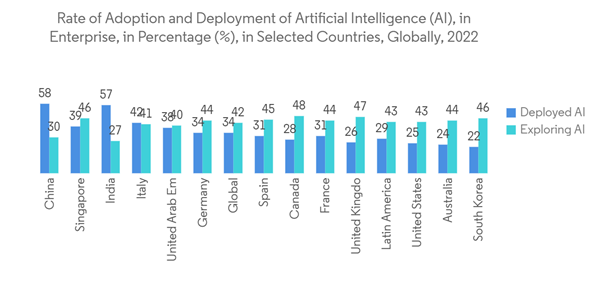
The deep integration of Artificial Intelligence (AI) and Machine Learning (ML) technologies is another monumental driver. Modern algorithms automate complex data processing, allowing organizations to ingest unstructured datasets and generate predictive models with unprecedented speed and accuracy. IBM's January 2024 'Global AI Adoption Index 2023' noted that 42% of enterprise-scale organizations have actively deployed AI, fueling the requirement for advanced data science tools. DataStream Analytics, with its focus on MLOps and AI-powered data processing, is directly aligned with this trend.

The increasing accessibility of scalable cloud infrastructure also acts as a powerful enabler, reducing entry barriers for organizations seeking to leverage high-performance analytical tools. This is precisely where DataStream Analytics' partnership with Google Cloud comes into play, allowing it to offer robust, serverless solutions without the heavy upfront investment. The global public cloud market itself is experiencing significant growth, with a growing trend towards hybrid cloud solutions, offering DataStream Analytics further avenues for expansion.

However, DataStream Analytics faces potential headwinds. The market is highly competitive, with established players like Amazon Web Services, Microsoft, and Google Cloud continually expanding their own offerings and targeting businesses of all sizes. Data quality remains a persistent challenge; streamed data from disparate sources requires rigorous cleaning and validation in real time, which can be intricate and expensive. Latency can also sneak up, even with modern tools, causing issues in high-stakes scenarios. Finally, as an unfunded company (based on the Tracxn data for "DataStream Solution"), securing capital for aggressive expansion, talent acquisition, and continuous innovation could be a significant hurdle.

What Does This Mean for Investors?

For investors evaluating DataStream Analytics, the picture presents a compelling blend of high-growth potential and inherent risks, typical of the dynamic cloud analytics sector. The strategic partnership with Google Cloud's Datastream is a strong signal of technological validation and market alignment, positioning DataStream Analytics to capitalize on the booming demand for real-time data insights and AI-driven solutions, particularly within the underserved SMB segment. This focused approach allows for efficient resource allocation and a clear value proposition.

The company's ability to offer cost-effective, scalable, and AI-powered analytics, leveraging hyperscale cloud infrastructure, addresses critical pain points for SMBs. This could translate into strong customer acquisition and retention rates as more businesses seek to operationalize their data without prohibitive costs or complexity. The market's fragmentation also suggests ample room for specialized players to thrive, making DataStream Analytics a potential disruptor in its niche.

However, investors must weigh these opportunities against significant competitive pressures from industry giants and the potential challenges of scaling an unfunded entity in a capital-intensive sector. While the Google Cloud partnership provides a strong foundation, sustained growth will require continuous innovation, robust sales and marketing efforts, and potentially external funding to accelerate expansion. The long-term success hinges on DataStream Analytics' ability to consistently deliver superior value to its SMB clients and effectively navigate the evolving technological and competitive landscape.

DataStream Analytics is strategically positioned to capture significant value in the expanding cloud analytics market by leveraging its Google Cloud partnership and specialized focus on SMBs. Its ability to deliver real-time, AI-powered insights cost-effectively could drive substantial growth, but investors should closely monitor its execution, competitive positioning, and funding strategy in this dynamic sector.


Want deeper research on any stock? Try Kavout Pro for AI-powered analysis, smart signals, and more. Already a member? Add credits to run more research.

SHARE THIS ON:

Related Articles

Category

You may also like

Stock News2 weeks ago

Snowflake vs Alphabet: Which Cloud Analytics Stock Has an Edge Now?

Snowflake's rapid AI adoption and customer growth sharpen its competitive edge against Alphabet in the booming cloud analytics market.
Stock News1 months ago

Strategy Announces Mosaic Sentinel and Cloud Cost Arbitrage at the Gartner Data & Analytics Summit 2026

Strategy introduced Mosaic Sentinel and Cloud Cost Arbitrage at the Gartner Data & Analytics Summit 2026 to address financial volatility from usage-based cloud pricing models.
Stock News2 months ago

Can Oracle's FedRAMP Push Unlock Federal Cloud Opportunities?

Oracle (ORCL) pursues FedRAMP Moderate authorization for Primavera Cloud, a move that may unlock multi-year federal contracts and bolster its regulated cloud market position.
Stock News3 months ago

Should You Invest in the First Trust Cloud Computing ETF (SKYY)?

The First Trust Cloud Computing ETF (SKYY) is a passively managed exchange-traded fund launched on May 27, 2011. It aims to offer broad exposure to the Technology - Cloud Computing segment of the equi...

Breaking News

View All →

Top Headlines

View More →
Stock News59 minutes ago

The Market Just Gave You a Rare Chance to Buy These 3 AI Stocks at a Discount

Stock News4 hours ago

Think Nvidia is the Best Artificial Intelligence (AI) Stock to Buy? Think Again.

Stock News4 hours ago

My Dividend Growth Income: March 2026 Update

Stock News5 hours ago

Tesla Stock's Rough Year Continues. Time to Buy the Stock?

Stock News5 hours ago

Why Amazon Stock Jumped Today