MarketLens
What is Uber's New Package Return Service and Why Does it Matter

Key Takeaways
- Uber's new package return service, priced at $5 (or $3 for Uber One members), strategically expands its "super-app" vision into the lucrative reverse logistics market.
- This initiative leverages Uber's existing driver network to unlock new revenue streams, enhance customer stickiness, and offer a compelling value proposition to retailers grappling with high return volumes.
- While the service presents significant operational challenges and competitive pressures, it positions Uber for sustained growth in the broader on-demand commerce ecosystem, complementing its robust delivery segment.
What is Uber's New Package Return Service and Why Does it Matter?
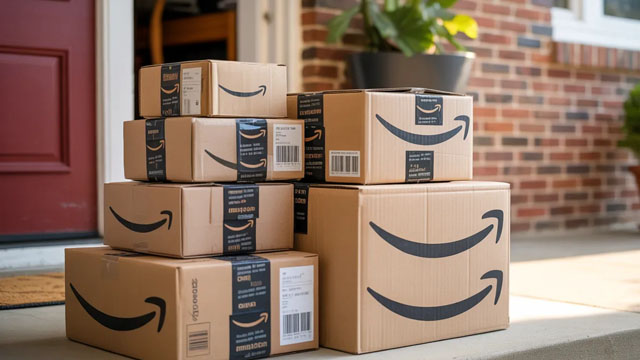
Uber Technologies (NYSE: UBER) has just rolled out a significant new feature for its Uber Eats platform: a package pickup and return service. This isn't just a minor update; it's a strategic move into the burgeoning reverse logistics market, allowing customers to schedule pickups for pre-packaged returns directly from their homes. For a flat fee of $5, or a discounted $3 for Uber One members, couriers will collect up to five prepaid and sealed packages and drop them off at local post offices, UPS, or FedEx locations. This service is already live in over 4,950 U.S. cities, including major metros like Chicago, Dallas, and San Francisco.
The timing of this launch is particularly astute. E-commerce returns reached record volumes in 2025, with American consumers sending back roughly 16.5% of all online purchases. This creates a massive headache and significant cost burden for retailers, who often find reverse logistics more expensive than the original delivery. Uber's offering directly addresses this pain point, providing a convenient, on-demand solution that taps into its vast existing driver network. It's a classic "super-app" play, extending Uber's utility beyond rides and food delivery to capture more of the consumer's daily needs.
This new service builds upon Uber's existing Uber Connect peer-to-peer package delivery, introduced during the 2020 pandemic lockdowns. However, the return service is distinct, focusing on a specific, high-friction consumer problem. By partnering with major retailers such as Best Buy, Dick's Sporting Goods, Lowe's, and Target, Uber Eats is not only expanding its service range but also creating a new revenue stream that enhances user convenience and satisfaction. The ability for customers to receive instant refunds when couriers pick up eligible items (worth at least $20) further sweetens the deal, reducing the stress associated with returns and potentially increasing platform usage frequency.
How Does This Impact Uber's Financials and Revenue Growth?
Uber's new package return service is poised to contribute meaningfully to its financial performance, primarily by diversifying revenue streams and enhancing the overall value proposition of its Uber Eats platform. The flat fee of $5, or $3 for Uber One members, represents a direct, incremental revenue source. While individual transaction values may seem small, the sheer volume of e-commerce returns – which hit record levels in 2025 – suggests a substantial addressable market. This new offering leverages Uber's existing infrastructure, meaning the marginal cost of adding these pickups is relatively low, translating to potentially attractive profit margins.
The service also acts as a powerful lever for Uber One membership growth. The 40% discount for members incentivizes sign-ups, which in turn drives higher engagement and retention across all of Uber's services, from rides to food and grocery delivery. Uber One members typically exhibit higher spending and loyalty, making this a strategic move to deepen customer relationships and increase lifetime value. This "stickiness" is crucial in the highly competitive on-demand market, where customer acquisition costs can be substantial.
Furthermore, this initiative strengthens Uber's position in the broader logistics and delivery market. The company reported $4.9 billion in delivery revenue for Q4 2025, a robust 30% year-over-year increase. This new returns feature is expected to further drive that growth by expanding the scope of delivery services beyond traditional food and groceries. Analysts project that Uber's expansion into underpenetrated markets, including new retail partnerships, could contribute 4% to annual growth through 2030. With the company's TTM revenue at $25.09 billion and a healthy gross margin of 39.8%, even a modest contribution from this new service could significantly impact the bottom line, especially if it helps monetize existing driver downtime.
What is Uber's Competitive Advantage in Reverse Logistics?
Uber's competitive edge in the reverse logistics space stems primarily from its unparalleled existing network effects and its "super-app" strategy. The company already boasts a massive fleet of drivers and a sophisticated technological platform optimized for dynamic routing and on-demand services. This allows Uber to enter the returns market with minimal additional capital expenditure, leveraging assets already on the road. Traditional carriers like UPS and FedEx charge significantly more for pickups – UPS charges $13 for same-day and $8 for future pickups, while FedEx charges $4 for express and up to $16 on Saturdays. Uber's $5 flat fee, or $3 for members, is highly competitive, making it an attractive option for consumers.
The "super-app" approach is another critical differentiator. By integrating package returns into the Uber Eats app, Uber enhances its ecosystem, making the platform more indispensable to users. This strategy, often dubbed "Amazonification," aims to increase user stickiness by cross-selling various services, from rides to food, groceries, and now, returns. This holistic approach fosters greater engagement and reduces churn, as users find more reasons to stay within the Uber ecosystem for their daily needs. The convenience of a single app for multiple services is a powerful draw for modern consumers.
Moreover, Uber's ability to partner with major retailers like Best Buy, Target, and Lowe's gives it a significant advantage. These partnerships not only expand Uber's service reach but also provide a direct channel to address a critical pain point for businesses: the high cost and complexity of reverse logistics. If Uber can offer retailers a more efficient and cost-effective solution for managing returns by leveraging its existing network, it could capture meaningful market share. This win-win scenario, where Uber monetizes spare driver capacity and retailers reduce operational costs, could accelerate adoption and solidify Uber's competitive position against both traditional carriers and emerging rivals like DoorDash, which also offers a package pickup service.
What are the Risks and Challenges for Uber?
While Uber's foray into package returns presents significant opportunities, it also comes with notable risks and operational challenges. The complexity of reverse logistics is inherently higher than standard deliveries. Drivers will need to understand varying carrier requirements, manage more intricate drop-off locations, and handle potential liability for lost or damaged packages. Unlike a burrito delivery, a lost package can lead to serious customer service headaches and financial repercussions, potentially eroding customer trust and increasing support costs. Uber will need to invest heavily in driver training, robust support infrastructure, and clear protocols to ensure service quality at scale.
Competition in the broader logistics and delivery market remains fierce. While Uber is undercutting traditional carriers on price for individual pickups, companies like DoorDash already offer similar package pickup services. Furthermore, large retailers like Walmart are intensifying their in-house delivery services, and specialized logistics providers are constantly innovating. Uber's success will depend on its ability to consistently deliver a superior, reliable, and cost-effective service that stands out in a crowded market. The company's reliance on promotional discounts to drive adoption, while effective, could also pressure profit margins if not managed carefully over the long term.
Beyond operational hurdles, regulatory risks continue to loom large for Uber. The ongoing debate around driver classification in various jurisdictions, particularly in the EU and parts of the U.S., could lead to reclassification of drivers as employees. This would significantly increase labor costs, potentially by 15-30% or more, impacting gross margins and operating expenses. Such a shift could undermine the economic viability of new services like package returns, which rely on the flexible, independent contractor model. Moreover, the company's aggressive expansion into new verticals means navigating a complex patchwork of local regulations, adding another layer of operational and legal risk.
Is Uber Stock a Buy After This Strategic Move?
Uber Technologies is currently trading at $77.79, up 1.71% today, with a market capitalization of $160.10 billion. The stock has seen a 52-week range between $68.46 and $101.99. The launch of the package return service, alongside other strategic expansions like its recent $318 million stake in German food-delivery group Delivery Hero, underscores Uber's aggressive "super-app" strategy and its commitment to diversifying revenue streams beyond traditional ride-hailing. This move is a clear signal that management is focused on maximizing the utility of its existing network and enhancing customer stickiness.
From a valuation perspective, Uber trades at a P/E ratio of 16.05 and a P/S ratio of 3.08. While these metrics reflect a company that has achieved TTM net income profitability, analysts are largely bullish on its future growth. The consensus analyst rating is a "Strong Buy" with an average price target of $107.03, suggesting a potential 37.61% upside over the next year. Forecasts indicate revenue growth of 18.3% for FY2025 and EPS growth of 3.7%, with operating cash flow and free cash flow both projected to grow by over 41%. These figures suggest that Uber's strategic pivots, including this new returns service, are expected to translate into continued financial strength.
However, investors should also consider the inherent risks. The transportation industry is highly competitive, and Uber faces significant rivals in each of its segments, from Lyft in ridesharing to DoorDash in food delivery. The operational complexities of reverse logistics, coupled with potential regulatory headwinds regarding driver classification, could impact future profitability. Despite these challenges, Uber's strong network effects, diversified offerings, and consistent execution in expanding its on-demand ecosystem make a compelling case for its long-term growth trajectory. The package return service is another brick in the wall of its "super-app" ambition, aiming to capture a larger share of consumer spending and solidify its market leadership.
Uber's strategic expansion into package returns is a smart, calculated move that leverages its core strengths to tap into a high-growth, underserved market. While operational challenges and competitive pressures remain, the potential for incremental revenue, enhanced user engagement, and increased Uber One membership adoption positions the company for continued growth. Investors looking for a company with a strong "super-app" vision and a proven ability to execute on diversification should keep Uber on their radar.
Want deeper research on any stock? Try Kavout Pro for AI-powered analysis, smart signals, and more. Already a member? Add credits to run more research.
Related Articles
Category
You may also like


Is United Parcel's Nationwide RFID Rollout a Strong Signal for Growth?

Uber Debuts New Services for Autonomous Vehicle Partners

Here is What to Know Beyond Why Uber Technologies, Inc. (UBER) is a Trending Stock
Breaking News
View All →Featured Articles
Top Headlines

Prediction: This AI Stock Will Become the First $20 Trillion Company, According to a Wall Street Analyst

The Best High-Yield Dividend Stocks to Buy for 2026 and Beyond

1 Smart Stock to Buy Right Now

Buy These 3 Growth Stocks Now, Ignore the Noise, and Thank Yourself Later