MarketLens
Why Are Gold and Silver Underperforming Amid Geopolitical Turmoil

Key Takeaways
- Gold and silver are facing unexpected headwinds from a strong U.S. dollar and rising interest rate fears, despite escalating geopolitical tensions.
- The traditional inverse correlation between the dollar and precious metals is currently overriding safe-haven demand, pushing gold prices lower.
- While central bank buying and long-term inflation concerns provide a structural floor, short-term market dynamics are prioritizing dollar liquidity over non-yielding assets.
Why Are Gold and Silver Underperforming Amid Geopolitical Turmoil?
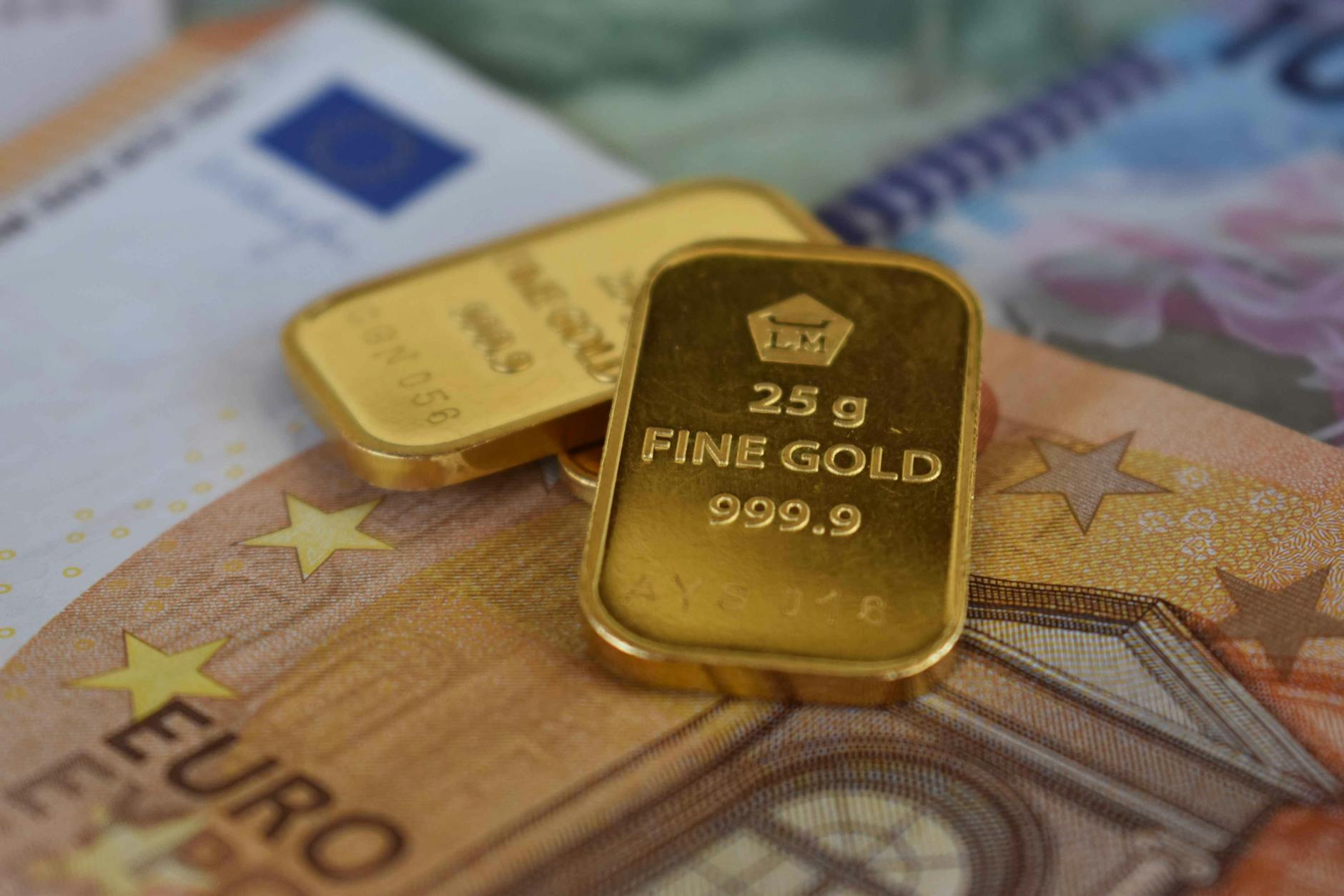
Gold and silver, traditionally seen as ultimate safe havens during times of crisis, are currently exhibiting a perplexing market dynamic: their prices are under pressure, and in gold's case, even falling, despite a backdrop of intensifying geopolitical conflict. This unexpected behavior challenges the long-held investor belief that war automatically translates to higher precious metal prices. Just recently, gold futures (GCUSD) were trading at $5,113.80, down 0.87% from the previous day's close of $5,158.70, while silver futures (SIUSD) saw a modest gain of 0.70% to $84.90 after a period of significant volatility. This divergence, particularly gold's dip, comes even as military actions involving the U.S., Israel, and Iran escalate, unsettling global markets and driving oil prices higher.
The core of this paradox lies in the interplay of several powerful macroeconomic forces that are currently overriding the typical flight-to-safety impulse. While the Middle East conflict has indeed triggered a surge in risk aversion, the primary beneficiaries have not been precious metals in the immediate term. Instead, the U.S. dollar has emerged as the dominant safe-haven asset, climbing even as U.S. stocks and bonds face heavy losses. This shift suggests that investors are prioritizing immediate liquidity and dollar-denominated assets over non-yielding commodities during acute geopolitical stress, a pattern that has been observed in previous crises.
Consider the recent price action: gold surged to a record high of nearly $5,595 an ounce in late January, only to suffer its steepest one-day decline in years shortly after, dropping by around 9% and then another 3.3% to $4,545 per ounce before recovering. Silver experienced an even more dramatic plunge, hitting a record $121.64 per ounce before falling by nearly a third, eventually dropping 41% to around $72 before finding its footing. This extreme volatility and sharp reversals highlight that while initial geopolitical shocks can trigger a speculative rally, these gains often lack fundamental support when broader macro forces, such as a strengthening dollar and rising interest rate fears, take hold. The market is currently grappling with a "re-pricing of trust" in currencies and institutions, but the dollar, for now, is winning that contest.
How Do the Strong Dollar and Rising Rates Impact Precious Metals?
The primary drivers behind gold's current struggle, despite geopolitical tensions, are a robust U.S. dollar and the persistent specter of higher interest rates. Gold is globally priced in dollars, creating an inherent inverse correlation: when the dollar strengthens, gold becomes more expensive for international buyers holding other currencies, which typically dampens demand and puts downward pressure on its price. Conversely, a weaker dollar makes gold relatively cheaper, boosting its appeal. The U.S. Dollar Index (.DXY) has recently climbed, posting its sharpest gain since May 2025, fueled by investors seeking liquidity and U.S. Treasuries amid the global crisis. This dollar dominance acts as a significant headwind for gold.
Federal Reserve monetary policy decisions on interest rates play an equally critical role. Higher interest rates tend to support the dollar by offering better returns on dollar-denominated assets like Treasury bonds, making non-yielding gold less attractive by increasing its opportunity cost. With the Federal Funds Rate currently at 3.64% and the 10-year Treasury yield at 4.15%, the appeal of holding a physical asset that provides no yield diminishes. Expectations of rate cuts, or even political pressure on the Fed, can weaken the dollar and make gold more appealing, but the current environment suggests a cautious Fed navigating renewed inflation risks from abroad, potentially delaying any significant easing.
This dynamic was starkly evident in 2022 when Russia invaded Ukraine. Gold prices initially spiked on geopolitical fear, but as the Federal Reserve aggressively hiked interest rates, those monetary policy actions overrode the geopolitical spikes, leading to a sharp correction. The current environment mirrors this structural dominance. Even as energy prices surge and global markets sell off, the primary driver for gold is the shift in policy expectations and the resulting currency dynamics. For gold to rally sustainably, it needs to overcome this powerful headwind of a stronger dollar and higher real yields, a condition that is not currently being met.
Is the Traditional Safe-Haven Narrative for Gold and Silver Breaking Down?
The recent behavior of gold and silver has led many to question whether their traditional safe-haven status is breaking down, or if the market is simply reacting to a more complex set of variables. Historically, gold's reaction to major geopolitical crises has been positive on average, but a deeper look reveals significant nuances. Research from Deutsche Bank highlights that gold's response typically takes 1-2 weeks to fully materialize, rather than reacting immediately, and individual crises produce vastly different price paths. In fact, in 24 out of 29 events since 1987, gold traded below its crisis-day starting level at some point within the first 25 trading days. This suggests that gold is not a "guaranteed spike" instrument during geopolitical stress; short-term volatility and even sharp drawdowns are historically common before any sustained premium emerges.
Comparing recent events further illustrates this inconsistency. During the October 2023 Hamas attack, gold rallied aggressively. However, in the June 2025 Israeli airstrike on Iran, gold's reaction was more muted. Price differentials between crisis episodes reached 10-13%, far exceeding the historical average crisis premium peak of roughly 2.7-2.8% around day 15-20. This implies that averages can mask reality, and the "crisis premium" is real but unreliable and heavily path-dependent. Moreover, the crisis premium often peaks weeks after the initial shock, not during the headline moment, explaining why gold can initially drop when other macro forces dominate.
Silver, meanwhile, tends to follow gold in crisis periods but rarely outperforms meaningfully. It behaves more like a hybrid industrial/monetary metal, diluting its pure safe-haven profile. Its industrial uses mean that during periods of economic slowdown or weaker manufacturing demand, silver demand may decline, causing its price to fall even when gold is rising. This was evident recently when gold gained on safe-haven demand while silver moved lower. Therefore, while gold remains the primary hedge vehicle, investors must recognize that the immediate market reaction to geopolitical events is often dictated by a broader risk-aversion liquidation, where the need for dollar liquidity can temporarily override the appeal of precious metals.
What Role Do Central Banks and Inflation Expectations Play?
While short-term market dynamics are heavily influenced by the dollar and interest rates, the longer-term outlook for gold and silver is underpinned by structural demand, particularly from central banks, and persistent inflation expectations. Many central banks globally are actively diversifying their official reserves away from primarily dollars and Treasuries, adding gold to their portfolios. This shift represents a structural demand component that was less prominent in past decades, providing a durable foundation beneath gold prices independently of the dollar's short-term movements. This ongoing accumulation by sovereign entities signals a fundamental re-evaluation of global reserve assets and offers a significant long-term tailwind for gold.
Furthermore, gold has long been viewed as a hedge against inflation, and despite recent cooling, inflation is still a concern. The current U.S. inflation rate stands at 2.35%, and while lower than recent highs, its future trajectory remains uncertain. When inflation expectations rise, particularly if real yields (nominal interest rates minus inflation) turn negative, investors often seek gold to preserve purchasing power. A weaker dollar often accompanies rising inflation expectations, reinforcing gold's safe-haven appeal. The Federal Reserve is also navigating structural changes at home, including the potential impact of artificial intelligence on productivity and wage growth, which could influence long-term inflation trends and, by extension, gold's attractiveness.
However, the effectiveness of gold as an inflation hedge is not always immediate or absolute. The opportunity cost of holding non-yielding gold increases when real yields are high, as is the case with current Treasury yields. For example, the 10-year Treasury yield is 4.15%, significantly above the inflation rate, offering a positive real yield. This makes dollar-denominated assets more attractive than gold. Yet, the confluence of persistent inflation pressures, elevated sovereign debt, and fragile confidence in policy direction creates an environment where the long-term case for gold as a store of value remains compelling. Central bank behavior and the ongoing debate around inflation's future path will continue to be crucial factors for precious metal investors.
What Are the Bull and Bear Cases for Gold and Silver Now?
The current market presents a complex picture for gold and silver, with compelling arguments for both bullish and bearish outlooks. The bull case for precious metals hinges on several factors. Firstly, escalating geopolitical tensions, particularly the US-Iran conflict, continue to fuel safe-haven demand, even if the immediate market reaction is muted. Analysts like those at JP Morgan forecast gold at $6,300 by year-end 2026 in a base case, with upside to $8,500 if macroeconomic conditions worsen due to war. Goldman Sachs sees $5,400 by year-end, citing significant upside risk from geopolitical factors. This suggests that while short-term volatility exists, the underlying risk premium from global instability could eventually push prices higher.
Secondly, structural demand remains intact. Central banks continue their gold accumulation, and an aging, wealth-heavy global population typically favors lower volatility assets and tangible stores of value. This demographic trend could gradually increase structural demand for defensive allocations, including precious metals, as investors prioritize stability and purchasing power protection. Furthermore, the potential for a sustained energy spike, with oil topping $100 a barrel, could reignite global inflation, further debasing currencies and boosting gold's appeal as a hedge against currency devaluation. The Federal Reserve's difficult path, caught between inflation risks and potential growth slowdowns, also creates an environment ripe for gold's long-term outperformance.
On the other hand, the bear case is primarily driven by the strength of the U.S. dollar and the implications of higher-for-longer interest rates. As long as the dollar remains the dominant safe-haven asset and offers superior liquidity, gold will face a powerful headwind. Rising bond yields increase the opportunity cost of holding non-yielding gold, diverting capital into dollar-denominated assets. Deutsche Bank notes that gold's recovery depends on fading Fed rate-cut expectations, prolonged geopolitical shocks, or structural shifts in dollar dominance and inflation dynamics. Right now, the dollar's role as the ultimate liquid asset is overriding gold's traditional safe-haven narrative, especially during acute crises where traders prioritize cash.
Moreover, the speculative nature of recent rallies makes precious metals vulnerable to sharp corrections. When markets move on fear and momentum, they often lack the fundamental support to hold gains during a shift in sentiment. The initial bid for gold as a safe haven can quickly be replaced by a need for dollar liquidity, leading to violent reversals. Silver, with its dual role as an industrial and monetary metal, faces additional pressure if global economic growth softens, impacting manufacturing demand. While the long-term structural drivers for precious metals remain compelling, investors must navigate a short-term landscape dominated by currency dynamics and interest rate expectations.
What Does This Mean for Investors?
For investors, the current environment demands a nuanced approach to precious metals, moving beyond the simplistic "crisis equals gold rally" narrative. While geopolitical tensions and long-term inflation concerns provide a structural floor for gold and silver, the immediate market dynamics are heavily influenced by the strong U.S. dollar and rising real interest rates. This means that short-term volatility and unexpected price movements are likely to persist.
Investors should closely monitor the U.S. Dollar Index and Treasury yields, as these metrics are currently exerting a more dominant influence on precious metal prices than geopolitical headlines alone. Diversifying within the precious metals space, while recognizing silver's higher industrial sensitivity, can also be a prudent strategy. Ultimately, a long-term perspective, focusing on the structural demand from central banks and the role of precious metals in preserving purchasing power, remains key, even as the market navigates these complex and often contradictory forces.
Want deeper research on any stock? Try Kavout Pro for AI-powered analysis, smart signals, and more. Already a member? Add credits to run more research.
Related Articles
Category
You may also like


Gold Prices Aren't Doing What You'd Expect. Here's Why Experts Say That's Happening.

Gold or Silver: What's the Better Option for Your Portfolio Today?

Price pressure on gold, silver; bulls need fresh fodder
Breaking News
View All →Featured Articles
Top Headlines

Large cap tech stocks like Nvidia are a deal now, says Silvant Capital's Michael Sansoterra

S&P 500 Snapshot: Lowest Close of 2026

Micron Technology Will Hit Jackpot With This New Product

Stock Market Today, March 9: Nvidia Rises Ahead of GTC as Investors Watch for AI Chip Announcements