MarketLens

Log in

Why is Valeo Investing Heavily in High-Tech Manufacturing

3 hours ago
SHARE THIS ON:

Why is Valeo Investing Heavily in High-Tech Manufacturing

Key Takeaways

  • Valeo (VLEEY) is making a significant $225 million investment in a new U.S. manufacturing facility, signaling a strategic pivot towards high-margin software-defined vehicle (SDV) components.
  • The company’s "Elevate 2028" plan focuses on electrification, advanced driver-assistance systems (ADAS), and software, aiming to insulate it from commodity volatility and drive future growth.
  • Despite macroeconomic headwinds and a "Hold" analyst consensus, Valeo's strong order book and improving financial metrics suggest a compelling long-term narrative for investors willing to look beyond current market sentiment.

Why is Valeo Investing Heavily in High-Tech Manufacturing?

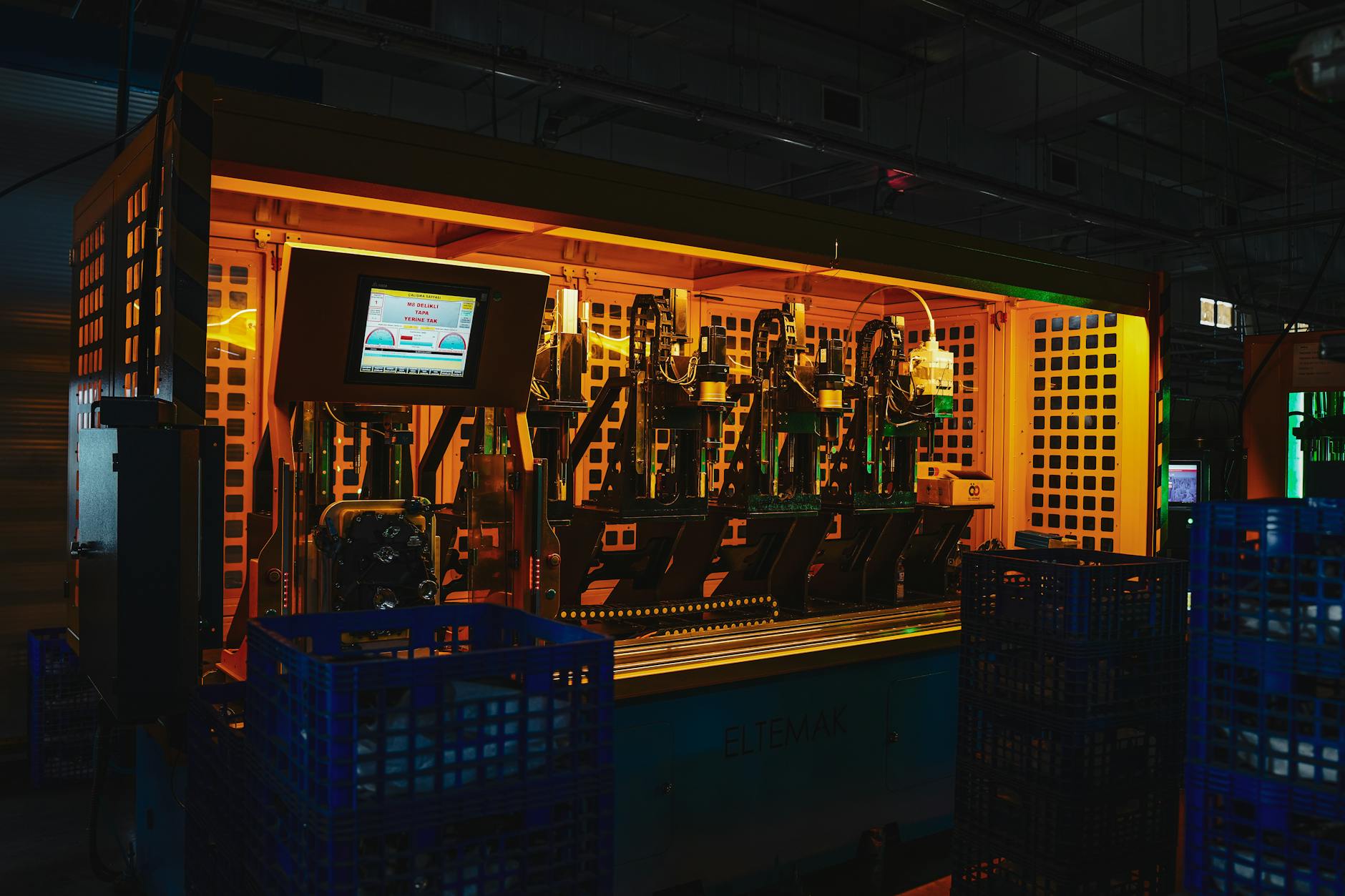
Valeo, the French automotive technology giant, recently broke ground on a substantial $225 million advanced manufacturing facility in McAllen, Texas. This 337,000-square-foot plant, slated to begin operations in January 2027, isn't just another factory; it represents a strategic pivot for the company. The facility will produce highly sophisticated central compute units for General Motors’ next-generation software-defined vehicles, essentially the "brain of the vehicle," enabling safer, more connected, and intelligent mobility.

This significant investment aligns perfectly with Valeo's "Elevate 2028" strategic plan, which prioritizes accelerating innovation in electrification, advanced driver assistance systems (ADAS), and software-defined vehicle (SDV) architecture. Jeffrey Shay, Group President of Valeo North America, emphasized that this move reflects a commitment to innovation and supporting customers in the transition toward SDVs. It also addresses a critical industry need: de-risking the supply chain by establishing a robust North American manufacturing footprint for U.S. customers.

The McAllen plant is expected to create up to 300-500 high-wage jobs in the Rio Grande Valley, bolstering the regional economy and fostering partnerships with local educational institutions for workforce development. This "local-for-local" production strategy, particularly through its proximity to Mexico’s manufacturing base, strengthens North American automotive supply chains. For Valeo, this isn't merely about producing parts; it's about shifting its revenue mix towards higher-value, higher-margin technological components that are less susceptible to the volatility of raw material costs.

This move underscores a broader industry trend where auto parts makers must evolve beyond traditional components to become developers of integrated, intelligent systems. By securing a major contract for GM's central computer, Valeo validates its technology roadmap and positions itself as a critical player in the future of automotive electronics. The investment signals a clear intent to leverage technological premiumization to weather macroeconomic uncertainties and rising input costs, a strategy that could significantly boost its bottom line in the long run.

What is the Software-Defined Vehicle Opportunity for Valeo?

The automotive industry is undergoing a profound transformation, shifting from hardware-centric vehicles to software-defined platforms. This paradigm shift presents an immense opportunity for companies like Valeo, which has strategically positioned itself to capitalize on this trend. Its "Move Up" strategy has been instrumental in transforming the company from a traditional parts maker into a leader in software and electronics, driven by innovations in ADAS and electrification.

Valeo's focus on ADAS is particularly strong, with its SCALA 3 LiDAR rollout and AnSWer software suite expanding its addressable market in autonomous systems. The company supplies sensing technology for approximately one in three new vehicles worldwide, making it a global leader in ADAS as of 2025. This involves combining sensors, compute power, and software to move up the value chain from mere component supplier to a system integrator for Level 2-4 autonomous features, opening doors for recurring software licensing opportunities.

Electrification is another cornerstone of Valeo's high-tech push. The full integration of Valeo Siemens eAutomotive in mid-2022 provided a comprehensive portfolio of high-voltage traction inverters and motors, strengthening its electrification revenue streams. The company is also innovating with rare-earth-free electric motors, targeting mass production by 2027 in partnership with Renault, which will reduce dependency on critical materials and enhance supply chain resilience. Furthermore, its AI-driven thermal management systems can boost EV range by up to 20% in cold conditions, adding significant value to its powertrain systems.

Strategic technology partnerships are crucial to accelerating Valeo's SDV and ADAS roadmap. Collaborations with Google Cloud for generative AI in technical assistance and Qualcomm for centralized computing platforms underscore its commitment to advanced solutions. By 2026, Valeo expects over 30% of its revenue to come from software and electronics, a clear indicator of its successful shift towards higher-margin offerings. This diversification beyond traditional ICE platforms and into recurring software and aftermarket services is designed to reduce projected ICE revenue share substantially by 2030, creating a more resilient and profitable business model.

How Does Valeo's Financial Health Support This Strategy?

Valeo's financial narrative, while reflecting the capital-intensive nature of its strategic pivot, shows a clear emphasis on disciplined deleveraging, margin progression, and cash generation. The company’s market capitalization stands at $2.87 billion, with its shares trading at $5.90 as of March 27, 2026. The stock has seen a 52-week range between $3.75 and $8.02, indicating significant volatility but also potential upside from its current levels.

Looking at the trailing twelve months (TTM) fundamentals, Valeo exhibits a P/E ratio of 12.56, a P/S of 0.12, and a P/FCF of 4.70. The EV/EBITDA ratio is notably low at 0.41, suggesting that the company might be undervalued relative to its enterprise value and earnings before interest, taxes, depreciation, and amortization. Its gross margin is 20.2%, operating margin 4.2%, and net margin 1.0%, which, while modest, are targeted for expansion as higher-margin ADAS and electrification sales scale up.

The company's "Elevate 2028" plan targets sales greater than €27.5 billion and an EBITDA margin exceeding 11.5% by 2025. This ambitious goal is underpinned by a record €34.9 billion order intake in 2023, providing multi-year revenue visibility, particularly in the double-digit growth segments of ADAS and Electrification. Free cash flow improved to €479 million in 2023, and management aims to further reduce net debt through a €500 million asset disposal plan and disciplined capital expenditure.

Despite a current ratio of 0.86 and a quick ratio of 0.61 (indicating some liquidity pressure), the net debt/EBITDA stands at -1.17, suggesting a healthy net cash position relative to its earnings. The dividend yield of 4.1% with a payout ratio of 51.5% offers an attractive return for income-focused investors, while the earnings yield of 8.0% and FCF yield of 21.3% highlight strong underlying profitability. While revenue growth was negative at -6.6% year-over-year in FY2025, net income and EPS grew by 18.6% and 18.2% respectively, demonstrating improved efficiency and profitability.

How is Valeo Navigating Macroeconomic Headwinds and Supply Chain Resilience?

The automotive industry operates within a complex global macroeconomic environment, characterized by rising commodity costs, geopolitical tensions, and supply chain disruptions. Valeo is acutely aware of these challenges and has implemented a multi-faceted strategy to build resilience and protect its margins. The McAllen, Texas, facility, for instance, is a direct response to the need for de-risking supply chains and localizing production for key customers like General Motors.

Jeffrey Shay, Valeo North America president, acknowledged the pressures from rising input costs, including crude oil for plastics and critical electronics like semiconductors. He emphasized Valeo's focus on "agility and resiliency" to adapt to these fluctuations and work collaboratively with customers to manage cost impacts. The company's "cost-to-design" program is specifically aimed at offsetting inflation-driven increases in the cost of goods sold, with management targeting gross margin stabilization around 15-16%.

Geopolitical factors, such as tensions in the Strait of Hormuz, are closely monitored, though Valeo currently has a limited footprint in the Middle East, providing some insulation. The broader strategy involves increasing "local-for-local" production and diversifying suppliers, aiming for over 20% localization in key plants to reduce freight exposure and cut component lead times. This regionalization of supply chains, particularly in North America and India, helps mitigate tariff and logistics risks while supporting major OEM platforms.

Valeo's commitment to the circular economy through its "4R" strategy – Repair, Remanufacture, Recycle, Retain – is another critical component of its resilience efforts. This program, significantly expanded in 2025, aims for €1 billion in circular-economy revenue by 2030, reducing product carbon footprint and securing critical materials. This not only addresses ESG concerns but also provides a structural hedge against material scarcity and price volatility, enhancing long-term supply security and cost control.

What Does the Competitive Landscape and Analyst Sentiment Reveal?

Valeo operates in a highly competitive automotive supplier market, facing off against established Tier-1 players like Bosch, Continental, Denso, and Magna, as well as newer tech entrants focused on software and LiDAR. Despite this intense competition, Valeo has carved out a strong market position, particularly in premium and mid-market segments, by emphasizing system integration and high-margin technologies rather than commodity parts.

The company's competitive strengths are formidable. It boasts an extensive intellectual property portfolio, with approximately 35,000 patents, driving a significant technological moat. Its SCALA LiDAR, integrated with perception software, creates high OEM switching costs and market stickiness in ADAS. Furthermore, Valeo's system-level thermal expertise, which can yield up to 20% EV range improvement in cold weather, is a difficult-to-replicate advantage across domains. The company also benefits from modular manufacturing, a global supply chain, and over 20,000 engineers dedicated to software and AI.

Analyst sentiment, however, remains cautiously optimistic. The average analyst rating for VLEEY is "Hold," based on a consensus of eight analysts, with six recommending "Hold," one "Buy," and one "Strong Buy." Recent rating changes include Sanford C. Bernstein downgrading Valeo from "Strong Buy" to "Hold" in November, while Morgan Stanley reiterated an "Overweight" view and Deutsche Bank reaffirmed "Hold" in January. This mixed sentiment reflects a recognition of Valeo's strong growth prospects in high-tech segments, balanced against concerns about execution risk, sustained high R&D/capex needs, and macroeconomic cycles affecting OEM production volumes.

Despite the "Hold" consensus, analysts project robust forward growth. The consensus revenue estimate for FY 2027 is $21.2 billion (from 7 analysts) and for FY 2028 is $22.0 billion (from 4 analysts). EPS is projected at $1.07 for FY 2027 and $1.30 for FY 2028, indicating a positive trajectory for profitability. This suggests that while the market acknowledges the challenges, it also sees the potential for Valeo to outperform as its strategic shift towards software and electronics gains traction and its higher-margin businesses scale.

What Are the Investment Implications and Outlook for VLEEY?

For investors, Valeo's strategic pivot towards high-tech components, exemplified by the McAllen plant, presents a compelling long-term thesis. The company is actively transforming its business model to capture value from the electrification and software-defined vehicle revolution, moving away from lower-margin mechanical parts. This shift, if executed successfully, should lead to structurally higher margins and enhanced shareholder value over time.

The current valuation metrics, particularly the low P/FCF of 4.70 and EV/EBITDA of 0.41, suggest that the market may not be fully pricing in the potential of Valeo's strategic transformation. While the "Hold" analyst consensus reflects some caution regarding execution and market volatility, the strong order book of €34.9 billion and projected revenue and EPS growth provide a solid foundation for future performance. The attractive dividend yield of 4.1% also offers a tangible return while waiting for the growth story to fully unfold.

However, investors must acknowledge the inherent risks. The automotive industry is capital-intensive, and Valeo's continued investment in R&D and new facilities like McAllen will require disciplined capital allocation. The global shortage of software engineers and the uncertain timing of EV and autonomous vehicle adoption could also impact the pace of its initiatives. Nevertheless, Valeo's focus on supply chain resilience, strategic partnerships, and a diversified product portfolio positions it well to navigate these challenges.

Ultimately, Valeo is betting big on the future of mobility, and its actions suggest a clear path towards becoming a dominant player in high-value automotive technology. For investors with a long-term horizon and an appetite for a company undergoing a significant, albeit challenging, transformation, VLEEY could offer a rewarding opportunity as the automotive world continues its rapid evolution.

Valeo's bold investment in high-tech manufacturing and its strategic focus on software-defined vehicles represent a pivotal moment for the company. While macroeconomic headwinds and competitive pressures persist, its strong financial foundation and clear vision for the future position it as a compelling, albeit cautious, investment in the evolving automotive landscape. Investors should closely monitor the execution of its "Elevate 2028" plan and the scaling of its high-margin offerings for signs of sustained growth.


Want deeper research on any stock? Try Kavout Pro for AI-powered analysis, smart signals, and more. Already a member? Add credits to run more research.

SHARE THIS ON:

Related Articles

Category

You may also like

Stock News2 weeks ago

STMicroelectronics enters high-volume production of its industry-leading silicon photonics platform to support AI infrastructure demand

STMicroelectronics initiated high-volume production of its silicon photonics platform, a move intended to meet increasing demand from AI infrastructure buildouts.
Stock News1 months ago

Why Nvidia is ‘highly motivated' to keep investing in OpenAI

Nvidia remains highly motivated to invest in OpenAI, according to an analyst, as this strategy hedges against Google and sustains high demand for its specialized chips.
Stock News1 months ago

Can Sanmina Turn Its Modern Automotive Expertise Into Future Profits?

Sanmina is positioning itself to drive future profits by leveraging its expertise in advanced systems, ADAS, and connectivity solutions for electric and smart vehicles.
Stock News1 months ago

GM pours millions into boosting wages, skills training for workers as major vehicle launches near

General Motors commits tens of millions of dollars to increase worker wages and skills training at its Kansas plant because three major vehicle launches are scheduled this year.

Breaking News

View All →

Top Headlines

View More →
Stock News3 hours ago

Prediction: This Will Be Nvidia's Stock Price 3 Years From Now

Stock News7 hours ago

Procter & Gamble, Johnson & Johnson Among 9 Companies To Announce Dividend Increases In The First Half Of April

Stock News10 hours ago

Prediction: These 2 Stocks Will Be Worth More Than Apple in a Decade

Stock News15 hours ago

The AI Honeymoon Is Over: Why $MSFT Is Tanking And What It Means For Your Portfolio

Stock News18 hours ago

Streaming Wars: 1 Netflix Rival Dominating the Industry