Key Takeaways
- Virginia's new manufactured housing zoning laws (HB 655 and SB 346), effective July 1, 2026, are poised to significantly expand market access for Cavco Industries (CVCO) by treating factory-built homes equally to site-built dwellings.
- This legislative victory, coupled with Cavco's recent acquisition of American Homestar and a new manufacturing facility in Arizona, positions the company for accelerated growth in a housing market desperate for affordable solutions.
- While macroeconomic factors like interest rates and broader economic health remain considerations, the policy tailwinds and strategic expansions suggest a bullish outlook for Cavco as it capitalizes on increasing demand for accessible housing.
Will Virginia's New Zoning Laws Be a Game Changer for Cavco?
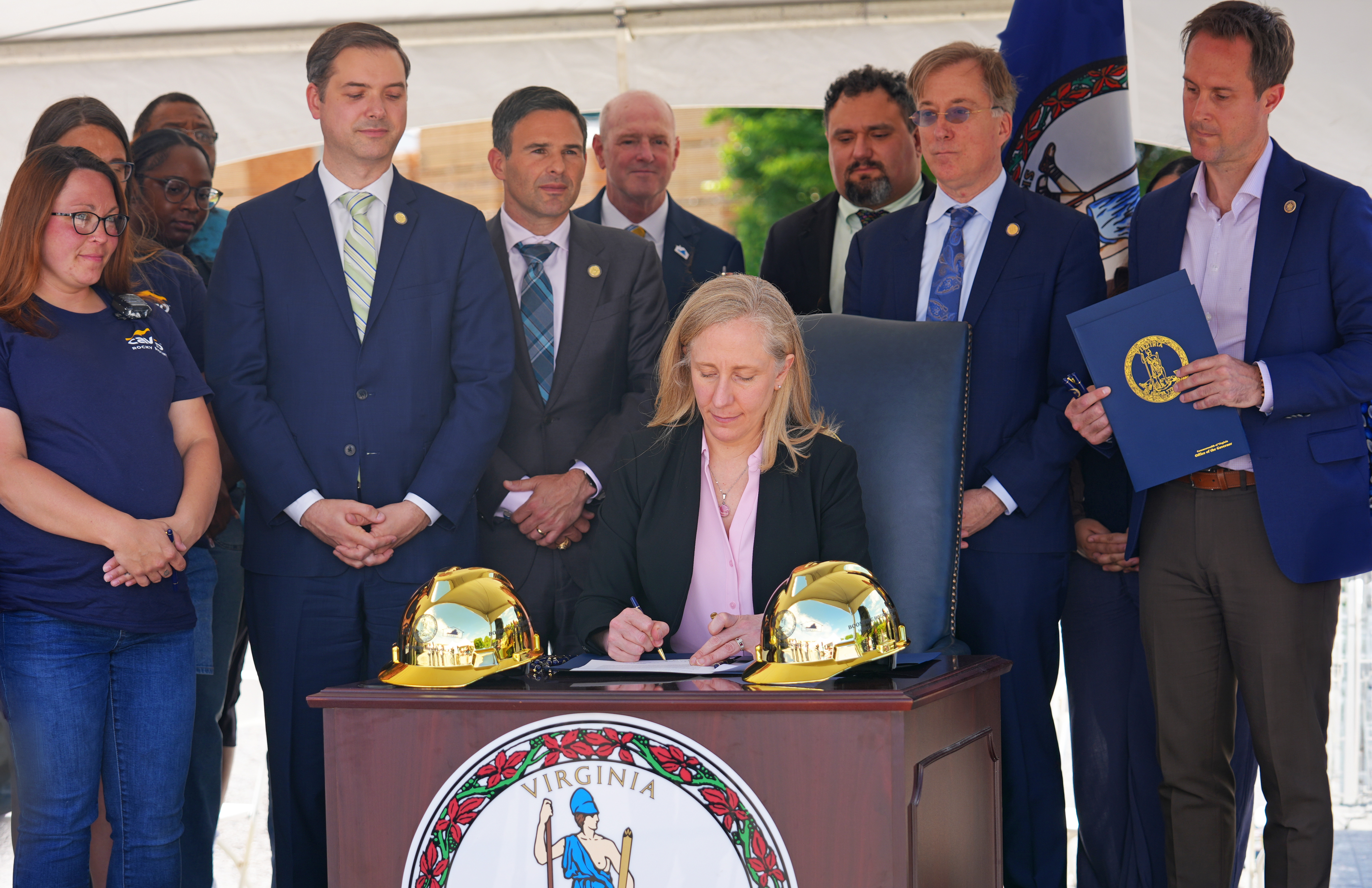
Cavco Industries (NASDAQ: CVCO), a leading player in the factory-built housing sector, stands at a pivotal juncture following the ceremonial signing of landmark manufactured housing bills in Virginia. On June 1, 2026, Governor Abigail Spanberger visited Cavco's Rocky Mount facility to mark the passage of House Bill 655 and Senate Bill 346, legislation that fundamentally reshapes the regulatory landscape for manufactured homes in the Commonwealth. These bipartisan reforms, which officially take effect on July 1, 2026, are designed to dismantle historical zoning barriers that have long restricted the placement of manufactured housing. For Cavco, with its extensive manufacturing capabilities and focus on affordable housing solutions, this development is not merely a regional win but a potential blueprint for broader market expansion.
The core of the new Virginia laws is a mandate for zoning parity: localities must now permit manufactured homes in all zoning districts where comparable site-built housing is allowed. This directly addresses Virginia's estimated 200,000-unit affordable housing shortage by broadening placement options for factory-built homes statewide. Previously, manufactured homes were often relegated to specific, often agricultural, zones, perpetuating an outdated perception. By preventing local governments from imposing different or more restrictive rules on manufactured homes than on traditional site-built dwellings, the legislation aims to foster a more consistent and equitable regulatory environment across Virginia. This legislative shift, championed by figures like Del. Michelle Lopes Maldonado and state Sen. Schuyler VanValkenburg, recognizes the modern manufactured home as a high-quality, indistinguishable alternative to site-built construction, moving beyond the "trailer" stereotype.
How Does Virginia's Policy Shift Align with Cavco's Strategy?
Cavco Industries has long been at the forefront of advocating for policy changes that recognize the value and quality of manufactured housing. The company's decision to host Governor Spanberger at its Rocky Mount facility for the ceremonial signing underscores its active engagement in shaping favorable legislative environments. This event, attended by state lawmakers, local officials, and industry representatives, highlighted Cavco's significant role in Virginia's manufactured housing sector and its commitment to expanding affordable housing options. Wade Wells, Cavco Regional Vice President, emphasized that the legislation "accomplishes something meaningful for the people of Virginia – boosting housing supply, expanding where manufactured homes can be placed and creating more pathways for families into affordable homeownership."
Beyond policy advocacy, Cavco has been strategically expanding its operational footprint to meet anticipated demand. Just prior to the Virginia bill signing, on May 20, 2026, Cavco announced plans to build a new manufacturing facility in El Mirage, Arizona. This new facility will focus on producing HUD-Code manufactured and modular single-family homes, further expanding affordable housing options in the Southwest. This capacity expansion, alongside the Virginia legislative win, demonstrates a proactive approach to capitalizing on the growing need for accessible housing across different regions. The company’s comprehensive offerings, which include not only home building under brands like Fleetwood and Palm Harbor but also financing through CountryPlace Mortgage and insurance via Standard Casualty Company, create an integrated ecosystem that stands to benefit from increased market acceptance and demand.
What Broader Market Trends Support Manufactured Housing Growth?
The legislative success in Virginia is not an isolated event but rather reflects a growing national recognition of manufactured housing as a critical solution to the widespread affordable housing crisis. Across the U.S., many communities face significant housing shortages, pushing homeownership out of reach for a substantial portion of the population. Manufactured homes, typically priced between $120,000 and $180,000, offer a stark contrast to site-built homes, which often range from $300,000 to $400,000 or more. This price differential makes factory-built homes an attractive option for the "missing middle market" – individuals earning between $50,000 and $100,000 annually who struggle to afford conventional mortgages.
Several states have already moved to address zoning barriers, setting a precedent for Virginia's recent actions. In 2024, Maryland, Maine, New Hampshire, and Rhode Island all enacted laws to prevent discriminatory zoning practices against manufactured homes, allowing them to be built wherever single-family homes are permitted. This trend indicates a broader shift in policy and perception, moving away from outdated stigmas towards embracing manufactured housing as a legitimate and high-quality solution. Randy Grumbine, Executive Director of the Virginia Manufactured and Modular Housing Association, noted that while Virginia built 1,548 new manufactured homes in 2025, ranking 23rd nationally, the new law could significantly increase this output, potentially doubling annual production within five to ten years by removing decades-old barriers. This national momentum, driven by both affordability needs and evolving regulatory frameworks, creates a fertile ground for companies like Cavco.
How Will Recent Acquisitions and Earnings Impact Cavco's Financials?
Cavco's strategic moves extend beyond legislative advocacy and organic capacity expansion. The company recently announced its plan to acquire American Homestar for $190 million in cash, an acquisition expected to close in the third quarter of fiscal year 2026. This move, funded entirely from Cavco's cash on hand, will significantly bolster its presence in the South Central U.S. and is a clear indicator of management's confidence in the manufactured housing market's growth trajectory. CEO Bill Boor highlighted American Homestar's leadership and focus on "providing quality homes for deserving families," signaling a synergistic fit that should enhance Cavco's market share and operational efficiencies.
Financially, Cavco reported its Fiscal 2026 Fourth Quarter and Year End Results on May 21, 2026. While specific revenue and profit figures from this latest report are not detailed in the provided context, the timing of this earnings release relative to the Virginia news suggests a company actively managing its growth and financial performance. Investors will be keen to see how these strategic initiatives translate into tangible financial gains in the upcoming quarters. The combination of expanded market access in Virginia, increased manufacturing capacity in Arizona, and the American Homestar acquisition positions Cavco to capture a larger share of the growing demand for affordable housing, potentially driving robust revenue growth and improved profitability in fiscal year 2027 and beyond.
What Are the Potential Headwinds and Risks for CVCO?
Despite the positive developments, Cavco Industries is not immune to broader economic headwinds and specific industry challenges. The current interest rate environment, with the 10-year US Treasury yield at 4.47% as of June 1, 2026, remains a significant factor for housing demand. Higher interest rates can dampen affordability, even for lower-cost manufactured homes, by increasing mortgage costs for potential buyers. While the 2s/10s spread is a normal +0.42%, indicating no immediate recessionary signals, sustained high rates could temper the enthusiasm generated by zoning reforms. The upcoming May Unemployment Rate (estimated 4.3%) and Non Farm Payrolls (estimated 85,000) on June 5, 2026, will provide further clarity on consumer health and the broader economic landscape.
Another risk lies in the pace of adoption and implementation of the new zoning laws. While the Virginia legislation is a significant step, local interpretations and potential bureaucratic delays could slow down the actual expansion of manufactured home placements. The historical perception of manufactured homes, though evolving, still presents a challenge in some communities. Furthermore, while Cavco is a leader, the market remains competitive, with other manufacturers also vying for increased market share. Supply chain disruptions, labor shortages, and rising material costs could also impact production efficiency and profitability, as seen in various sectors over the past few years. Investors must weigh these potential challenges against the clear policy tailwinds and Cavco's proactive growth strategies.
Is Cavco Industries a Buy for Long-Term Investors?
Cavco Industries (CVCO) currently trades at $534.89, a slight dip of -0.30% from its previous close of $536.52. The stock has seen a 52-week range between $393.53 and $713.01, indicating significant volatility but also substantial upside potential. With a market capitalization of $4.11 billion, Cavco is a well-established player in the manufactured housing sector. The recent legislative victory in Virginia, effective July 1, 2026, represents a tangible catalyst that could unlock new demand and expand the company's addressable market in a state facing a substantial affordable housing deficit.
Considering the strategic expansion with the new El Mirage facility and the $190 million acquisition of American Homestar, Cavco is actively positioning itself for growth. These initiatives, combined with the broader national trend towards recognizing manufactured homes as a viable solution to the housing crisis, paint a compelling picture for long-term investors. While the macroeconomic environment, particularly interest rates, warrants close monitoring, the fundamental drivers of affordable housing demand and supportive policy changes appear to outweigh immediate headwinds. Investors should watch for Cavco's upcoming quarterly reports to assess the tangible impact of these strategic moves and the implementation of the Virginia laws on order trends and financial performance.
The convergence of favorable policy, strategic acquisitions, and organic capacity expansion positions Cavco Industries strongly within a critical and underserved housing market. As the stigma around manufactured homes continues to erode and legislative barriers fall, Cavco stands to be a primary beneficiary, offering a compelling investment opportunity for those focused on the long-term growth of affordable housing solutions.
Want deeper research on any stock? Try Kavout Pro for AI-powered analysis, smart signals, and more. Already a member? Add credits to run more research.