Kavout

MarketLens

Log in

Gold and Silver Price Forecast 2026: Why Precious Metals Hit Record Highs and What Comes Next

Dec 27, 2025
SHARE THIS ON:

2025122701.jpg

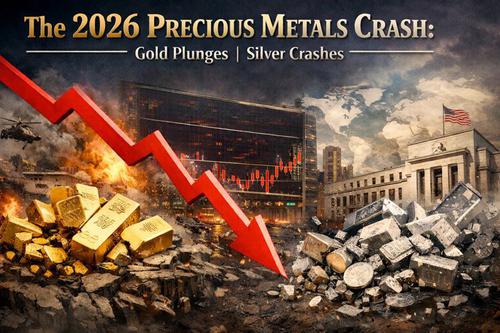
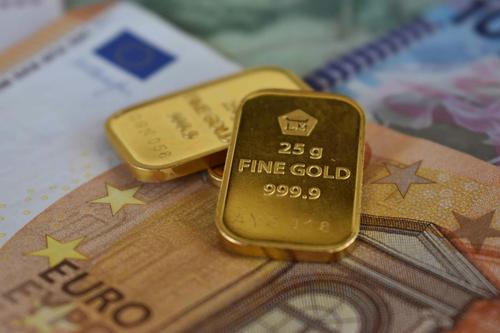
Gold surged past $4,500 per ounce and silver broke above $75 in 2025, setting over 50 new all-time highs within a single calendar year. This historic rally reflects a fundamental shift in how investors view precious metals—not as short-term safe havens, but as structural hedges against currency debasement, geopolitical fragmentation, and a changing global monetary order. As major banks project gold reaching $5,000 to $6,000 and silver potentially hitting $100 in 2026, understanding the forces driving this market has never been more important.

Why Did Gold and Silver Prices Surge in 2025?

Three interconnected forces drove precious metals to record levels in 2025: Federal Reserve monetary policy shifts, escalating geopolitical tensions, and accelerating central bank accumulation.

The Federal Reserve implemented a series of rate cuts throughout 2025, bringing the federal funds rate from restrictive peaks down to 3.50%-3.75% by December. As interest rates fell while inflation remained sticky around 2.9%, real yields declined significantly. Lower real yields reduce the opportunity cost of holding non-yielding assets like gold and silver, making them more attractive compared to bonds and other fixed-income investments.

Simultaneously, the U.S. dollar experienced its steepest annual decline since 2017, reflecting deeper anxieties about fiscal sustainability. Ballooning deficits and mounting debt-servicing costs drove investors toward the "debasement trade," viewing precious metals as neutral stores of value independent from credit-based systems.

What Geopolitical Events Drove Gold Prices Higher?

2025 was defined by a sequence of geopolitical shocks that forced rapid re-evaluation of global risk premiums. The most consequential event occurred in mid-December when the U.S. government ordered a complete naval blockade of sanctioned oil tankers entering or leaving Venezuela. This escalation followed the designation of the Maduro regime as a foreign terrorist organization and the deployment of a massive naval armada to South American waters.

The blockade was projected to disrupt 300,000 to 900,000 barrels of oil daily, triggering immediate spikes in oil prices and a flight to safety in gold and silver. For investors, this signaled a shift toward more aggressive U.S. unilateral actions, increasing the value of assets outside the reach of sanctions or financial exclusion.

Simultaneously, Middle East tensions reached a boiling point with signals from Israeli officials regarding preemptive strikes against Iranian missile facilities. Combined with ongoing conflicts in Eastern Europe and maritime frictions between China and Japan, investors increasingly viewed geopolitical risks as recurring structural features rather than remote possibilities.

How Much Gold Are Central Banks Buying?

Central banks remained firm pillars of demand throughout 2025, adding hundreds of tonnes to reserves despite record-high prices. The third quarter alone saw net purchases of 220 tonnes, a 28% increase from the prior quarter. This buying reflects a strategic response to the politicization of the dollar-based financial architecture, often termed de-dollarization.

The National Bank of Poland emerged as the most dominant buyer, adding 83 tonnes through October while pursuing a target of increasing gold to 30% of total reserves. Other prominent buyers included Kazakhstan, India, Turkey, and China. This official sector demand has provided structural support that keeps gold elevated even during periods of profit-taking by private investors.

What Is the BRICS Gold-Backed Currency?

The most compelling structural development in de-dollarization was the launch of the BRICS gold-backed "Unit" currency pilot program on October 31, 2025. This instrument is pegged to 1 gram of gold and backed by a 40/60 mix of physical gold and BRICS national currencies, representing a direct challenge to the dollar's role as the primary reserve currency.

As of December 2025, the BRICS alliance controlled approximately 50% of global gold production, providing critical mass to establish independent pricing platforms and settlement systems. The BRICS Pay decentralized payment system is being built transaction by transaction, creating infrastructure for dollar-free trade. For BRICS nations, gold serves as a bulwark against financial turbulence and a tool to facilitate trade outside Western-led financial infrastructure.

Why Did Silver Outperform Gold in 2025?

Silver's percentage gains roughly doubled those of gold in 2025, with the white metal surging 140% to 150% year-to-date. This outperformance reflects silver's unique position at the intersection of monetary history and high technology. Approximately 58% of global silver demand now comes from industrial applications, making it both a precious metal and a critical industrial commodity.

The solar energy sector drives the largest share of industrial demand, with photovoltaic consumption reaching new all-time highs. The European Union's commitment to 700 gigawatts of solar capacity by 2030 ensures long-term structural demand. Electric vehicles represent another major growth driver, requiring 25 to 50 grams of silver per vehicle for battery management systems, power electronics, and charging infrastructure.

The AI boom has created additional silver demand through data centers and high-performance computing. Global IT power capacity surged from less than 1 gigawatt in 2000 to nearly 50 gigawatts in 2025, with silver's superior electrical conductivity making it essential for servers, network technology, and power distribution systems.

What Is Causing the Silver Supply Deficit?

The silver market entered its fifth consecutive year of structural deficit in 2025, with global supply failing to keep pace with accelerating demand from green technology and digital sectors. Mine production has remained stagnant, actually declining from 1.07 billion ounces in 2010 to roughly 1.03 billion ounces in 2024-2025.

A key constraint is that most silver is produced as a byproduct of gold, copper, lead, and zinc mining. This means supply is relatively unresponsive to silver price increases—miners can't simply ramp up silver production when prices rise. This supply-side rigidity, combined with thinning above-ground inventories in London and Shanghai, created conditions for a physical squeeze that propelled prices to record levels.

What Are the Gold Price Predictions for 2026?

Major financial institutions have consistently upgraded gold price targets as macro drivers intensify. Goldman Sachs projects gold reaching $4,900 per ounce by December 2026. Bank of America and J.P. Morgan see a clear path to $5,000. The most aggressive target comes from Yardeni Research, predicting $6,000 by year-end 2026.

These forecasts assume central bank demand remains structural rather than cyclical, and that investor allocations to gold expand from current levels of 2.8% toward historical norms of 4% to 5%. The key drivers supporting these targets include persistent fiscal deficits, continued Fed easing, and the ongoing transition toward a multipolar monetary system.

What Are the Silver Price Predictions for 2026?

Silver enters 2026 in what analysts call price-discovery territory. Having broken above a 13-year resistance zone near $50-54, the metal faces no meaningful technical overhead until the $72-88 range. Goldman Sachs expects silver to average $85-100 per ounce in 2026, viewing it as the primary strategic metal of the green transition.

Citi has issued a target of $110 for the second half of 2026, citing acute shortage of physical silver available for immediate industrial delivery. Among retail investors, sentiment is even more bullish, with a near-majority expecting silver to trade above $100 per ounce. The gold-to-silver ratio, which fell sharply in 2025 as silver outperformed, could compress further toward historical averages of 40-60, delivering higher percentage returns for silver even if gold prices stabilize.

How Are ETF Flows Affecting Precious Metals?

Private investor interest surged to levels not seen since the early 2010s. Global silver ETF inflows reached 95 million ounces by mid-2025, surpassing total inflows for all of 2024. Total ETF holdings reached approximately 1.13 billion ounces valued at over $40 billion. Gold ETF buying jumped by 222 tonnes in the third quarter alone, marking a sharp reversal from outflows seen in previous years.

Physical demand in China and India provided additional support. In India, demand remained resilient despite high prices due to the cultural significance of gold during festival seasons. Chinese investors sought alternatives to a volatile property sector and equity markets, with domestic gold discounts narrowing toward year-end as the market tightened.

What Risks Could Derail the Precious Metals Rally?

Several critical variables could alter the trajectory in 2026. The most significant is the Federal Reserve leadership transition when Chair Jerome Powell's term expires in May 2026. The selection of a more dovish successor could accelerate the debasement trade, while a hawkish appointment could temporarily cool the rally by keeping real yields elevated.

Economic growth remains a concern for silver specifically. While renewable energy and AI demand is structural, an unexpected global slowdown could soften industrial consumption. Persistently high prices may also accelerate thrifting efforts as manufacturers seek ways to reduce silver content in products. On the supply side, higher prices should encourage recycling activity, potentially narrowing the market deficit.

The Bottom Line on Gold and Silver in 2026

The 2025 rally represents a structural revaluation rather than a speculative bubble. The confluence of a weakening dollar, Federal Reserve easing, escalating geopolitical flashpoints, and the transition toward a multipolar monetary order has created a unique environment for precious metals. Gold has solidified its role as the only neutral, debt-free asset in an era of persistent fiscal deficits.

Silver has evolved beyond its traditional monetary role to become a strategic and critical mineral essential for the green transition and AI infrastructure. The persistent multi-year supply deficit provides a fundamental floor supporting prices well above historical norms. While volatility and sentiment-driven corrections are inevitable, the underlying fundamentals suggest precious metals will remain elevated throughout 2026. For investors, the focus has shifted toward disciplined accumulation as gold and silver solidify their position as cornerstones of wealth preservation in an increasingly uncertain global landscape.

Analyze Gold, Silver, and 40+ Commodities with AI Precision

Ready to make smarter commodity decisions? Kavout's Commodity Strategist delivers AI-powered analysis across metals, energy, agriculture, and financials. Get swing trade setups with entry and exit timing, trend direction and momentum analysis, and coverage of gold, oil, corn, bonds, and 40+ futures contracts. Get 40% off this holiday season and position your portfolio for 2026.

SHARE THIS ON:

Related Articles

Category

You may also like

No related articles available

Breaking News

View All →

No topics available at the moment