MarketLens
Heico's Aerospace Resilience Outshines United Rentals' Infrastructure Momentum Amid Valuation Concerns

Key Takeaways
- United Rentals (URI) is capturing robust demand from infrastructure and industrial projects, reflected in its raised 2026 guidance and strong Q2 2026 revenue growth, particularly within its high-margin specialty segments.
- Despite URI's impressive top-line momentum and strategic capital allocation, its operational leverage has not translated into significant margin expansion, leading to a valuation that appears stretched by some metrics.
- Heico (HEI) demonstrates compelling underlying strength in its Flight Support Group, driving substantial earnings growth and offering significant long-term upside according to analyst targets, even as its Electronic Technologies Group faces recent margin pressures.
The Infrastructure Boom vs. Aerospace Aftermarket Resilience
The industrial landscape of 2026 presents a compelling dichotomy: the tangible build-out of infrastructure projects versus the intricate, high-margin world of aerospace aftermarket services. At the heart of this comparison are United Rentals (NYSE: URI) and Heico Corporation (NYSE: HEI), two industrial giants currently navigating distinct, yet equally powerful, secular tailwinds. United Rentals, with a market capitalization of $69.50 billion, is riding the wave of massive government-backed infrastructure spending, while Heico, at $49.19 billion, continues its ascent in the mission-critical aerospace and defense sectors.
Today, United Rentals trades at $1116.63, a slight dip of 2.19% from its previous close, yet it remains firmly within sight of its 52-week high of $1177.67. This performance reflects the market's enthusiasm for its exposure to large-scale projects. Heico, meanwhile, is trading at $353.10, up 1.00% today, also close to its 52-week peak of $369.48. The question for investors is not just which company is growing faster, but which offers a more sustainable and less capital-intensive path to shareholder value, especially as valuation signals for United Rentals begin to send mixed messages.
United Rentals' Top-Line Surge Meets Margin Reality
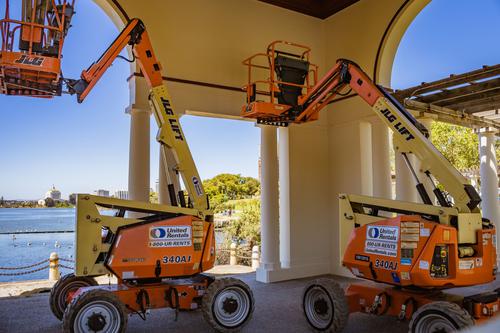
United Rentals has demonstrated remarkable top-line growth, fueled by a robust demand environment for equipment rentals. The company recently announced record financial results for the second quarter of 2026, raising its full-year 2026 guidance. Total revenue for Q2 2026 surged 12% year-over-year to $4.4 billion, with rental revenue climbing nearly 13% to $3.8 billion. This momentum is directly tied to the U.S. government’s Infrastructure Bill and Inflation Reduction Act, which are creating a multi-year pipeline of projects spanning roads, bridges, renewable energy facilities, and advanced manufacturing plants.
The company's specialty rental segments, which include Power & HVAC, Trench Safety, and Fluid Solutions, have been a particular bright spot. Specialty rental revenue surged by 25% year-over-year in Q2 2026, significantly outpacing the general rentals business. This growth was supported by the opening of 11 new "cold start" locations during the quarter, indicating aggressive market share gains in large projects across diverse end-markets like hospitals, airports, and LNG terminals. United Rentals’ customer base is heavily weighted towards industrial (49%) and commercial construction (46%), providing a diversified exposure that has shielded it from downturns in residential building.
Despite this impressive revenue expansion, the company has experienced modest margin growth. In 2024, United Rentals reported a gross profit of $6.2 billion, translating to a 40% gross margin, and a net margin of 16.8% on $2.6 billion in net income. While these figures are healthy for an industrial business, adjusted EBITDA margins have remained roughly flat to slightly down from 2021 levels, hovering around 46-47% in 2023-2024. This suggests that while demand is strong, operational leverage isn't fully translating into expanding profitability, partly due to rising wages, higher transportation costs, and a growing mix of lower-margin ancillary services.
| United Rentals Financial Highlights (USD Billions) | Q2 2026 | Q1 2026 | Q4 2025 | 2024 (Full Year) |
|---|---|---|---|---|
| Total Revenue | $4.4 | $4.41 | $4.208 | - |
| Rental Revenue | $3.8 | $3.42 | $3.581 | - |
| Specialty Rental Revenue | - | $1.19 | - | - |
| Net Income | - | - | $0.653 | $2.6 |
| Net Margin | - | - | 15.5% | 16.8% |
| Adjusted EBITDA Margin | - | - | 45.2% | 46-47% (est.) |
Note: Q1 2026 Total Revenue from TradingKey, Q2 2026 Total Revenue from Intellectia.
Heico's Dual-Engine Performance: FSG Soars, ETG Drags
Heico Corporation, a less visible but equally critical player in the industrial sector, primarily operates through two segments: the Flight Support Group (FSG) and the Electronic Technologies Group (ETG). The company's recent financial performance, particularly in its core aerospace aftermarket business, underscores its resilience and strategic positioning. In Q1 FY2026 (ending January 31, 2026), Heico delivered adjusted EPS of $1.35, surpassing Street estimates by approximately 5%. Revenue reached $1.18 billion, marking a 14% year-over-year increase, while consolidated EBITDA grew by a similar 14% to $312 million.
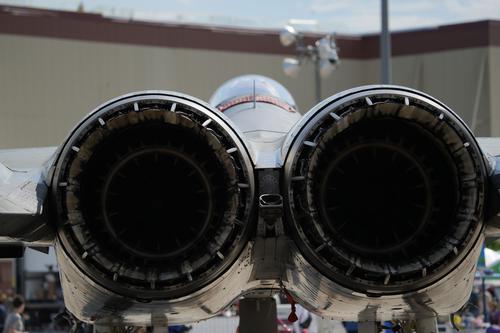
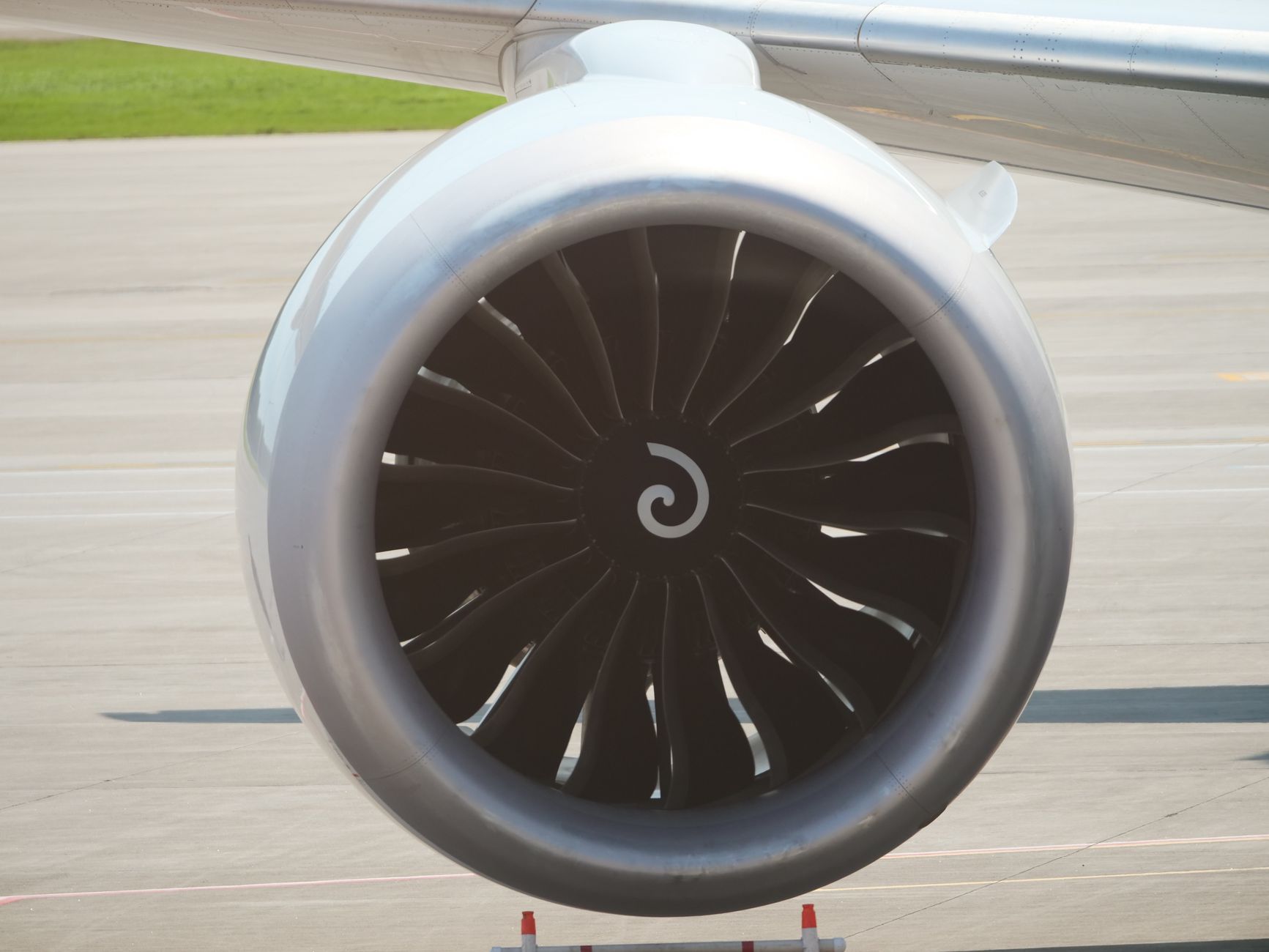
The Flight Support Group was the decisive engine of the quarter, posting 21% operating income growth on 12% organic sales growth. This segment's operating margin expanded to 24.5% from 23.3% in Q1 FY2025, with its cash margin before acquisition-related intangibles amortization reaching 27.1%, up 110 basis points year-over-year. Co-Chairman and Co-CEO Eric Mendelson stated on the Q1 FY2026 earnings call that Heico "received consolidated margin expansion, record net income and strong increases in operating income and net sales," highlighting the FSG's ability to amplify revenue gains into disproportionate profit growth. This performance, built on a catalog of roughly 20,000 parts and record-level engine aftermarket sales, suggests a structural repricing of the PMA (Parts Manufacturer Approval) and repair value proposition, rather than a mere post-COVID inventory correction.
However, Heico's Electronic Technologies Group (ETG) presented a contrasting picture, experiencing significant operating margin compression to approximately 19.8%. This decline was attributed to an adverse product mix and cost pressures within the segment, raising investor concerns about execution risks in this historically higher-margin business. Despite this, management indicated continued sales momentum across both segments for the remainder of FY2026, supported by record ETG backlogs and increasing order volumes.
| Heico Financial Highlights (USD Millions) | Q2 FY2026 (Apr 30) | Q1 FY2026 (Jan 31) | 2025 (Full Year) | 2024 (Full Year) |
|---|---|---|---|---|
| Total Revenue | $1,376 | $1,180 | $4,485 | $3,858 |
| YoY Revenue Growth | 25.31% | 14% | 16.26% | 29.97% |
| Adjusted EPS | - | $1.35 | - | - |
| Consolidated EBITDA | - | $312 | - | - |
| FSG Operating Margin | - | 24.5% | - | - |
| ETG Operating Margin | - | 19.8% | - | - |
Note: Q2 FY2026 Revenue from Macrotrends, Q1 FY2026 Revenue from TIKR. Full-year revenues from Macrotrends.
Capital Allocation and Competitive Dynamics
Both United Rentals and Heico operate in capital-intensive industries, making their capital allocation strategies and competitive positioning crucial for long-term value creation. United Rentals, with its vast fleet of over $21 billion in original cost equipment, has a demonstrated history of strategic acquisitions, completing nearly 250 since its founding to expand its geographic footprint and specialty offerings. The company's focus on "rental penetration"—the secular shift from owning equipment to renting it—continues to be a significant tailwind, with North American penetration at roughly 55% and still growing.
In terms of shareholder returns, United Rentals has been aggressive. The company announced a new $5 billion share repurchase program in January 2026, with plans to repurchase approximately $1.5 billion of common stock in 2026. This is complemented by a 10% increase to its quarterly dividend. In Q1 2026 alone, URI generated over $1 billion in free cash flow and returned $500 million to shareholders through dividends and buybacks, all while maintaining a conservative net leverage ratio of 1.9x. However, the recent saga involving Herc Holdings outbidding URI for H&E Equipment Services highlights increasing competitive pressures, suggesting that finding accretive acquisitions may become more challenging as URI grows.
Heico, on the other hand, maintains a strong competitive moat through its extensive catalog of FAA-approved aftermarket parts and its ability to provide cost-effective repair and overhaul services. This "structural repricing" of the aftermarket value proposition, as noted by management, allows Heico to compound its advantages with each new OEM pricing escalation. The company's capital allocation has also been disciplined, with its net debt-to-EBITDA remaining below 2x despite completing two acquisitions in Q1 FY2026. Heico's strategy focuses on organic growth complemented by tuck-in acquisitions that enhance its specialized product offerings, rather than large-scale consolidation.
The Valuation Divergence: Growth vs. Value
The market's perception of future growth and profitability is starkly reflected in the valuations of United Rentals and Heico. United Rentals, despite its strong revenue momentum and raised 2026 guidance, trades at a trailing 12-month (TTM) P/E ratio of 28.43x. This multiple is viewed with caution by some analysts. While an analyst narrative suggests a fair value of $1155, implying a 10% upside from its price in July 2026, Simply Wall St's discounted cash flow (DCF) model estimates a fair value of $930.09, suggesting the stock is currently overvalued. This divergence underscores the tension between strong project-driven demand and the potential for elevated capital spending to pressure cash flows if activity slows.
Heico, in contrast, appears to offer a more compelling valuation proposition, particularly when considering its long-term growth trajectory and the quality of its earnings. While a precise P/E ratio isn't explicitly provided for Heico in the real-time data, TIKR's base case valuation targets Heico stock at approximately $505 by October 2030. This implies a significant 63% total return from its price of ~$309 in May 2026, or roughly 12% annualized. This target is predicated on sustained revenue growth in the 8% range and effective margin management. The market seems to be underappreciating Heico's ability to generate disproportionate profit growth from its Flight Support Group, even with the Electronic Technologies Group's recent margin challenges.
United Rentals' trailing 12-month Return on Equity (ROE) of 30.56% significantly exceeds that of many peers, underscoring its efficiency in generating shareholder returns. However, the modest margin expansion despite strong revenue growth raises questions about how much higher this ROE can climb without a significant shift in its operational cost structure. Heico, with its high-margin aerospace aftermarket business, has demonstrated an ability to expand margins even on top of strong comparable periods, suggesting a more durable path to profit growth.
The Bear Case: Cyclicality and Margin Pressures
For United Rentals, the primary bear case centers on its inherent cyclicality and the potential for margin compression. While the current infrastructure boom provides a strong tailwind, equipment rental remains a capital-intensive business highly sensitive to economic cycles. If large projects slow or capital expenditure needs remain elevated, cash flows could be strained, especially given the company's sizable fleet investments (Q2 2026 rental CapEx was $2.1 billion, with $2.9 billion year-to-date). The modest margin expansion observed despite robust demand suggests that URI's operational leverage might be reaching its limits, or that cost headwinds (like rising wages and fuel) are more persistent than anticipated. Additionally, increased competition, as evidenced by Herc Holdings' aggressive moves, could further pressure pricing and market share.
Heico faces its own set of challenges, most notably the margin pressures within its Electronic Technologies Group (ETG). The segment's operating margin compression to 19.8% due to adverse product mix and cost pressures highlights execution risks in a business analysts had previously counted on for overall profitability expansion. While the Flight Support Group (FSG) is performing exceptionally well, a sustained drag from ETG could temper overall earnings growth. Furthermore, while the aerospace aftermarket is durable, it is not entirely immune to broader economic slowdowns or shifts in airline maintenance cycles. Rising debt from acquisitions, while currently managed with a net debt-to-EBITDA below 2x, is another factor investors will monitor closely.
Analyst View
Analyst sentiment for both companies reflects their distinct operational profiles and market positions. For United Rentals, the consensus view is generally constructive, with a Zacks Rank #2 (Buy) indicating favorable momentum. Analysts are particularly optimistic about the enduring demand for rental equipment tied to infrastructure and industrial projects, coupled with disciplined capital allocation. Simply Wall St's analyst narrative projects URI to reach $20.6 billion in revenue and $3.6 billion in earnings by 2029, requiring an 8.0% yearly revenue growth. This translates to a fair value estimate of $1155, implying a 10% upside from its current price (as of July 2026).
Heico also garners a generally constructive view, particularly given its durable aerospace aftermarket position. As of May 2026, the average analyst price target for HEI was around $346. However, TIKR's more bullish base case values Heico stock at approximately $505 by October 2030, implying a substantial 63% total return from its May 2026 price of ~$309, or roughly 12% annualized. This target hinges on the Electronic Technologies Group's operating margin recovering to the 22% to 24% full-year guided range by Q3-Q4 FY2026. The divergence in analyst targets for Heico suggests a wider range of outcomes depending on the ETG's recovery and the market's appreciation for its long-term aerospace moat.
The Verdict
United Rentals is undeniably a beneficiary of the current infrastructure boom, demonstrating robust top-line growth and strategic capital allocation that rewards shareholders. However, the company's inability to translate this revenue surge into significant margin expansion, coupled with a valuation that appears stretched by some metrics, introduces a layer of caution. Its current price of $1116.63, near its 52-week high, suggests much of the positive news is already priced in.
Heico, while facing segment-specific margin pressures in its Electronic Technologies Group, offers a more compelling long-term investment due to the resilience and high-margin nature of its Flight Support Group. The aerospace aftermarket is a durable, high-barrier-to-entry business that continues to generate strong profits and cash flow. The significant upside implied by TIKR's $505 price target suggests that Heico’s underlying quality and growth potential are not fully reflected in its current valuation. For investors seeking a blend of growth and value in the industrial sector, Heico presents a more attractive risk-reward profile.
Entry Zone (URI): Consider entry if URI pulls back to the $1000-$1050 range, aligning closer with more conservative fair value estimates and offering a better margin of safety. 12-Month Target (URI): $1155, based on analyst consensus, representing a modest upside from current levels. Invalidation Level (URI): A sustained break below $980 would invalidate the bull case, signaling a significant slowdown in project demand or further margin erosion.
Entry Zone (HEI): The current price of $353.10 offers a reasonable entry point, with a more aggressive entry on any dips below $340. 12-Month Target (HEI): $390, reflecting a conservative appreciation towards its long-term potential, contingent on ETG margin recovery. Invalidation Level (HEI): A close below $320 would signal a deeper, more structural issue in its core businesses, invalidating the thesis.
While United Rentals offers exposure to a powerful macro trend, Heico's specialized, high-margin business and clearer long-term upside make it the more compelling choice for patient investors.
Want deeper research on any stock? Try Kavout Pro for AI-powered analysis, smart signals, and more. Already a member? Add credits to run more research.
Related Articles
Category
You may also like


Is Heico (HEI) Stock Outpacing Its Aerospace Peers This Year?

Howmet Aerospace: Powerful Nexus Of Secular Trends

Aersale Corporation: Pivoting To Recurring Revenue
Breaking News
View All →Featured Articles
Top Headlines

Nvidia (NVDA) Stock Falls Amid Market Uptick: What Investors Need to Know

Investors Have Been Giving Tech Stocks a Hard Time Lately, Despite Strong Earnings

Meta disregarded its own research on teen harm, Tennessee tells jury

Nvidia's potential new deal with OpenAI would revive a spooky tech-bubble habit, analyst warns