MarketLens
How Are Geopolitical Tensions Reshaping the Defense Industry Landscape

Key Takeaways
- The escalating U.S.-Iran conflict, marked by recent strikes and heightened tensions, has ignited a significant rally in defense stocks, positioning them as immediate safe havens.
- Lockheed Martin (LMT) stands out with a $155.99 billion market cap, robust $194 billion backlog, and strong forward guidance, making it a prime beneficiary of increased defense spending.
- Beyond immediate conflict, a structural shift towards higher global defense budgets, driven by persistent geopolitical instability and technological modernization, underpins a multi-year growth thesis for the sector.
How Are Geopolitical Tensions Reshaping the Defense Industry Landscape?
Geopolitical tensions, particularly the recent escalation between the U.S. and Iran, are fundamentally reshaping the defense industry landscape, driving a surge in demand and investor interest. The weekend's coordinated U.S.-Israeli strikes on Iran, reportedly killing the Supreme Leader and causing widespread disruption, sent immediate shockwaves through global markets. While broader indices like the Dow plunged, defense contractors like Lockheed Martin (LMT) and L3Harris Technologies (LHX) saw their shares jump significantly, with LMT up +2.98% to $674.12 and LHX gaining +2.53% to $373.76 as of Monday morning.
This immediate market reaction underscores a critical shift: in times of heightened global instability, defense stocks are increasingly viewed as defensive plays. The blocking of the Strait of Hormuz and damage to refineries, as reported, signal a potential for prolonged conflict, which translates directly into an urgent need for military hardware and systems. This isn't just a short-term trade; analysts are noting that defense spending is becoming "more urgent and less controversial," suggesting a sustained tailwind.
Beyond the immediate crisis, the broader geopolitical environment has been fueling this trend for years. Conflicts in Ukraine and the Middle East have already spurred an "unprecedented rise" in global military expenditure, with Europe raising spending by 17% in 2024 and Middle Eastern nations increasing outlays by 15% year-over-year. NATO members have even pledged to increase defense spending from 2% to 5% of GDP by 2035, signaling a long-term commitment.
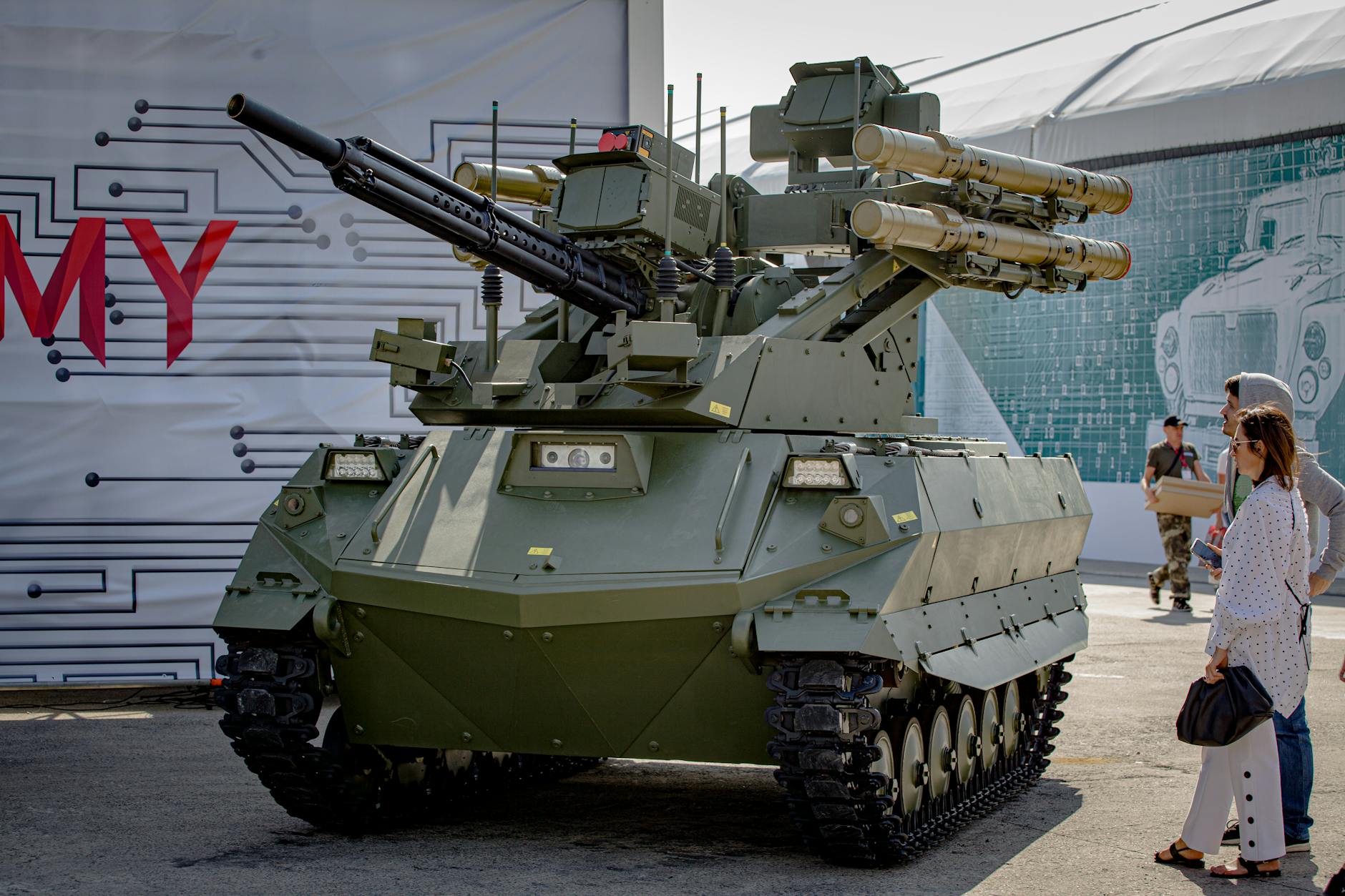
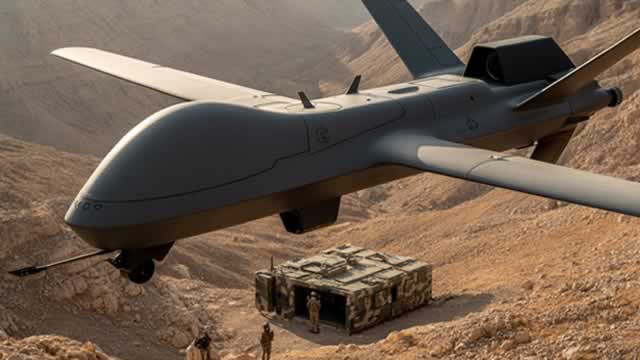
This structural shift means defense companies are benefiting from multi-year contracts and robust order pipelines, rather than just fleeting spikes from individual events. The focus is not only on traditional weaponry but also on next-generation capabilities like autonomous unmanned systems, drones, and advanced weapons platforms. This evolution positions firms investing in digital transformation, AI, and advanced analytics for sustained growth, as militaries worldwide seek to modernize and enhance their readiness.
What Does the Iran Conflict Mean for Lockheed Martin's (LMT) Financial Outlook?
The escalating conflict in Iran provides a significant, albeit somber, tailwind for Lockheed Martin's financial outlook, reinforcing its position as a dominant force in the defense sector. The company, already the world's largest defense contractor by revenue, saw its stock surge by +2.98% to $674.12 on Monday, hitting a new 52-week high of $692.00 earlier in the day. This immediate reaction reflects investor confidence that heightened tensions will translate into accelerated government spending on military hardware and systems, directly benefiting LMT's diverse portfolio.
Lockheed Martin's financial foundation is remarkably strong, providing a solid base to capitalize on this increased demand. The company reported record financials for 2025, with full-year sales reaching $75.0 billion, a 6% increase from the prior year. More impressively, its backlog hit an all-time high of $194 billion, offering exceptional revenue visibility for years to come. This massive backlog, coupled with long-term government commitments, means LMT is well-insulated from short-term market volatility and poised for sustained growth.
For 2026, Lockheed Martin has guided sales between $77.5 billion and $80.0 billion, with diluted earnings per share expected in the range of $29.35 to $30.25. Free cash flow is projected at $6.5 billion to $6.8 billion. These targets appear achievable, especially with the renewed urgency in defense spending. The company's exposure to precision strike missiles, military aircraft like the F-35, and missile defense systems directly aligns with the Pentagon's increased focus on readiness and modernization in a volatile global environment.
While the current geopolitical climate provides an immediate boost, LMT's long-term strategy of investing in next-generation capabilities, such as collaborative combat aircraft like Vectis and multi-domain connectivity initiatives, ensures its relevance beyond current conflicts. The company's low beta of around 0.23 also highlights its relative stability compared to the broader market, making it an attractive defensive play for investors seeking shelter from uncertainty. Despite a P/E ratio of 31.04 and a P/S of 2.08 based on trailing twelve months (TTM) financials, indicating a potentially full valuation, the robust demand environment and strong operational execution could justify continued investor interest.
How Do Other Defense Contractors Compare to Lockheed Martin in This Environment?
While Lockheed Martin often grabs headlines, other major defense contractors are also significantly impacted by the current geopolitical climate, each with distinct strengths and challenges. Boeing (BA), L3Harris Technologies (LHX), and Elbit Systems (ESLT) represent different facets of the defense industry, and their performance reflects varying degrees of exposure and operational health.
Boeing, with a market cap of $179.01 billion, is a behemoth in both commercial and defense aerospace. Its defense segment benefits from increased military spending, but the company's overall financial picture is often overshadowed by challenges in its commercial aircraft division. Boeing's TTM P/E stands at a high 78.25, and its ROE is a negative -94.9%, reflecting ongoing struggles. However, its revenue growth of 34.5% and operating cash flow growth of 108.8% in FY2025 demonstrate a strong rebound, suggesting that its defense contracts, alongside a recovery in commercial aviation, could drive future performance. Analyst consensus for BA is a "Buy," with a median price target of $275.00, indicating optimism despite recent headwinds.
L3Harris Technologies (LHX), with a market cap of $69.91 billion, is a diversified aerospace and defense technology company specializing in command, control, communications, computers, intelligence, surveillance, and reconnaissance (C4ISR) systems. This focus on advanced electronics and integrated systems positions LHX well for the evolving defense priorities, which increasingly emphasize digital transformation and electronic warfare. The company's TTM P/E of 43.50 and P/S of 3.20 reflect a premium valuation, but its strong ROIC of 5.3% and consistent revenue growth of 2.5% in FY2025 are appealing. L3Harris's dividend yield of 1.3% also offers an income component, making it an attractive option for investors seeking exposure to next-gen defense tech.
Elbit Systems (ESLT), an Israeli-based international defense electronics company, is uniquely positioned given the heightened tensions in the Middle East. With a market cap of $38.05 billion, ESLT specializes in airborne, land, and naval systems, including drones, electro-optical systems, and C4ISR. Its stock has seen a remarkable surge, up +6.49% to $818.95 on Monday, trading near its 52-week high of $826.69. ESLT's TTM P/E of 83.06 and P/S of 4.92 are higher than its peers, reflecting strong growth expectations. The company's revenue grew 14.3% and net income 49.3% in FY2024, demonstrating robust operational performance. While analyst consensus is a "Hold" with a median price target of $531.00, the current geopolitical environment could continue to fuel demand for its specialized defense solutions.
What Are the Long-Term Investment Implications of Sustained Defense Spending?
The long-term investment implications of sustained defense spending extend far beyond immediate geopolitical reactions, pointing to a structural shift that could benefit the sector for years. This isn't just about a temporary spike; global military budgets have been on an upward trajectory for decades, with recent conflicts in Ukraine and the Middle East accelerating this trend. This sustained demand creates a compelling narrative for defense contractors as long-term investments.
One key implication is the increased visibility and predictability of revenue for defense firms. Companies like Lockheed Martin, with a $194 billion backlog, operate on multi-year government contracts that provide a stable revenue stream, largely insulated from economic cycles. This contrasts sharply with other sectors that are more sensitive to consumer spending or interest rate fluctuations. The commitment from NATO members to increase defense spending to 5% of GDP by 2035 further solidifies this long-term outlook, ensuring a steady pipeline of orders.
Moreover, the nature of defense spending is evolving, driving innovation and new growth avenues. Budgets are increasingly channeling investment into advanced technologies such as AI, autonomous systems, drones, cybersecurity, and electronic warfare. This shift means companies that prioritize digital infrastructure, invest in talent, and operationalize next-generation capabilities will be best positioned for future growth. For instance, firms specializing in command-and-control systems or radar technology, like India's Data Patterns aiming for 20%-25% revenue growth in fiscal year 2026, exemplify this trend.
However, investors must also consider the challenges. Valuations for many Western defense equities are no longer "deeply undervalued," having rerated significantly since the Russia-Ukraine war. LMT's P/E of 31.04 and ESLT's P/E of 83.06 suggest that much of the future growth may already be priced in. Supply chain fragility, raw material shortages, and the need for a deeper pool of skilled talent also pose operational hurdles that could impact delivery credibility and margins.
Despite these challenges, the fundamental backdrop for the industry remains highly supportive. Geopolitical tensions are likely to persist, making military preparedness a structural necessity. This environment favors firms with differentiated capabilities, domestic manufacturing, and a clear line of sight into long-term contracts. For investors, a selective approach, focusing on companies with strong fundamentals, innovation pipelines, and robust execution, will be crucial to capture the lasting growth potential in this evolving sector.
Are Defense Stocks a Safe Haven or Overvalued Bet in the Current Climate?
In the current volatile climate, defense stocks present a complex investment proposition, acting as both a perceived safe haven and a potentially overvalued bet. The immediate market reaction to the U.S.-Iran conflict clearly positions them as safe havens, with investors flocking to the sector as broader indices decline. Lockheed Martin's stock, for example, surged by nearly 3% on Monday, while the Dow plunged, illustrating this flight to perceived safety.
This "safe haven" appeal stems from several factors. Defense contractors benefit directly from increased geopolitical instability, as it translates into higher government spending and larger order backlogs. Their revenue streams are often long-term and government-backed, providing stability that other sectors lack during economic uncertainty. The low beta of companies like Lockheed Martin (0.23) further reinforces their defensive characteristics, offering relative stability compared to the broader market.
However, the question of overvaluation looms large. After years of rerating driven by conflicts and rising global military expenditure, many defense equities are trading at elevated multiples. Lockheed Martin's TTM P/E of 31.04 and Elbit Systems' TTM P/E of 83.06 are significantly higher than historical averages for the sector. While analysts maintain a generally positive outlook, some caution that growth may be concentrated in specific segments, and overall acceleration might be modest. A recent analysis characterized LMT as "operationally strong" but a "textbook hold" for 2026 due to its valuation.
The risk here is that the market may be pricing in an overly optimistic scenario of sustained, rapid growth. While the long-term structural drivers for defense spending are undeniable, any de-escalation of geopolitical tensions, or even a perceived slowdown in budget increases, could trigger short-term volatility and corrections. The "risk premium" added atop already rich valuations could magnify any future pullbacks.
Ultimately, whether defense stocks are a safe haven or an overvalued bet depends on an investor's time horizon and risk tolerance. For those seeking defensive plays and long-term exposure to a structurally growing sector, the current environment offers compelling reasons to invest. However, for short-term traders or those sensitive to high valuations, the potential for corrections, especially if geopolitical tensions ease unexpectedly, remains a significant consideration. A selective approach, focusing on companies with strong fundamentals, clear growth catalysts, and reasonable valuations relative to their long-term prospects, is paramount.
What Should Investors Watch Next in the Defense Sector?
Investors keen on the defense sector should closely monitor several key factors that will shape its trajectory in the coming months and years. The immediate focus remains on geopolitical developments, particularly the ongoing U.S.-Iran conflict and broader Middle East instability. Any further escalation or de-escalation will directly impact market sentiment and defense spending priorities.
Beyond the immediate headlines, keep a close eye on government spending decisions and military modernization initiatives. President Trump's proposed $1.5 trillion military budget for 2027, a 50% increase from 2026 levels, signals a significant commitment to defense. Supplemental spending, driven by current conflicts, is also virtually inevitable. This translates into sustained demand for advanced weapons platforms, drones, electronic warfare, and cybersecurity tools.
Company-specific earnings reports, particularly Lockheed Martin's next earnings call around April 21, will provide crucial updates on execution, order intake, and potential adjustments to guidance. Investors should scrutinize backlogs, free cash flow generation, and investments in next-generation technologies. The ability of companies to manage supply chain fragility and attract skilled talent will also be critical for operational efficiency and delivery credibility.
The defense sector is currently riding a wave of geopolitical urgency and structural growth. While valuations warrant careful consideration, the long-term tailwinds from global rearmament and technological innovation remain robust. Investors should prioritize diversified exposure to leading contractors with strong backlogs and a clear vision for next-generation defense capabilities.
Want deeper research on any stock? Try Kavout Pro for AI-powered analysis, smart signals, and more. Already a member? Add credits to run more research.
Related Articles
Category
You may also like


Defense ETF Opportunities Up in 2026: How Two ETFs Approach the Category

Can Rising Defense Demand Boost Celestica's Future Growth Prospects?

Lockheed Martin: Geopolitical Chaos Is The Ultimate Tailwind For World's Largest Defense Contractor
Breaking News
View All →Featured Articles
Top Headlines

The Strait of Hormuz is facing a blockade. These countries will be most impacted

Amazon Web Services Confirms Drone Strikes Caused Structural Damage In UAE And Bahrain, Warns Operating Environment 'Remains Unpredictable'

Why Amazon Stock Lost 12% in February

Amazon says drone strikes damaged 3 facilities in UAE and Bahrain