MarketLens
Is Eaton Positioned for the AI Infrastructure Supercycle

Key Takeaways
- Eaton (ETN) is a pivotal player in the burgeoning AI infrastructure buildout, with its data center backlog soaring to 200+ gigawatts and a strategic focus on 800V DC power and solid-state transformers.
- The $9.5 billion Boyd Thermal acquisition, set to close in Q2 2026, significantly enhances Eaton's capabilities in advanced cooling solutions, a critical need for high-density AI computing.
- Senator John Hickenlooper's recent $50,001-$100,000 purchase of ETN shares underscores the company's alignment with major legislative initiatives in infrastructure and clean energy, suggesting potential policy-driven tailwinds.
Is Eaton Positioned for the AI Infrastructure Supercycle?
Eaton Corporation (ETN) is not just participating in the AI revolution; it's building the foundational power infrastructure that makes it possible. The company's Chief Technology Officer, Michael Regelski, recently declared that DC power is "one of the biggest transformational things that are going to hit the electrical industry since, quite frankly, AC electricity was around in the Edison days." This isn't hyperbole; it reflects a fundamental shift in how data centers, the backbone of AI, are designed and powered.
The numbers tell a compelling story of acceleration. Back in March 2024, Eaton projected the U.S. data center buildout would reach roughly 100 GW by 2028. Today, that estimate has nearly doubled, with a staggering 165-200+ GW now in the backlog through 2030 and beyond. To put this in perspective, only 35-40 GW of installed data center capacity existed at year-end 2024, with approximately 11 GW installed during that year alone. The planned 17 GW for 2026 further highlights the explosive growth trajectory.
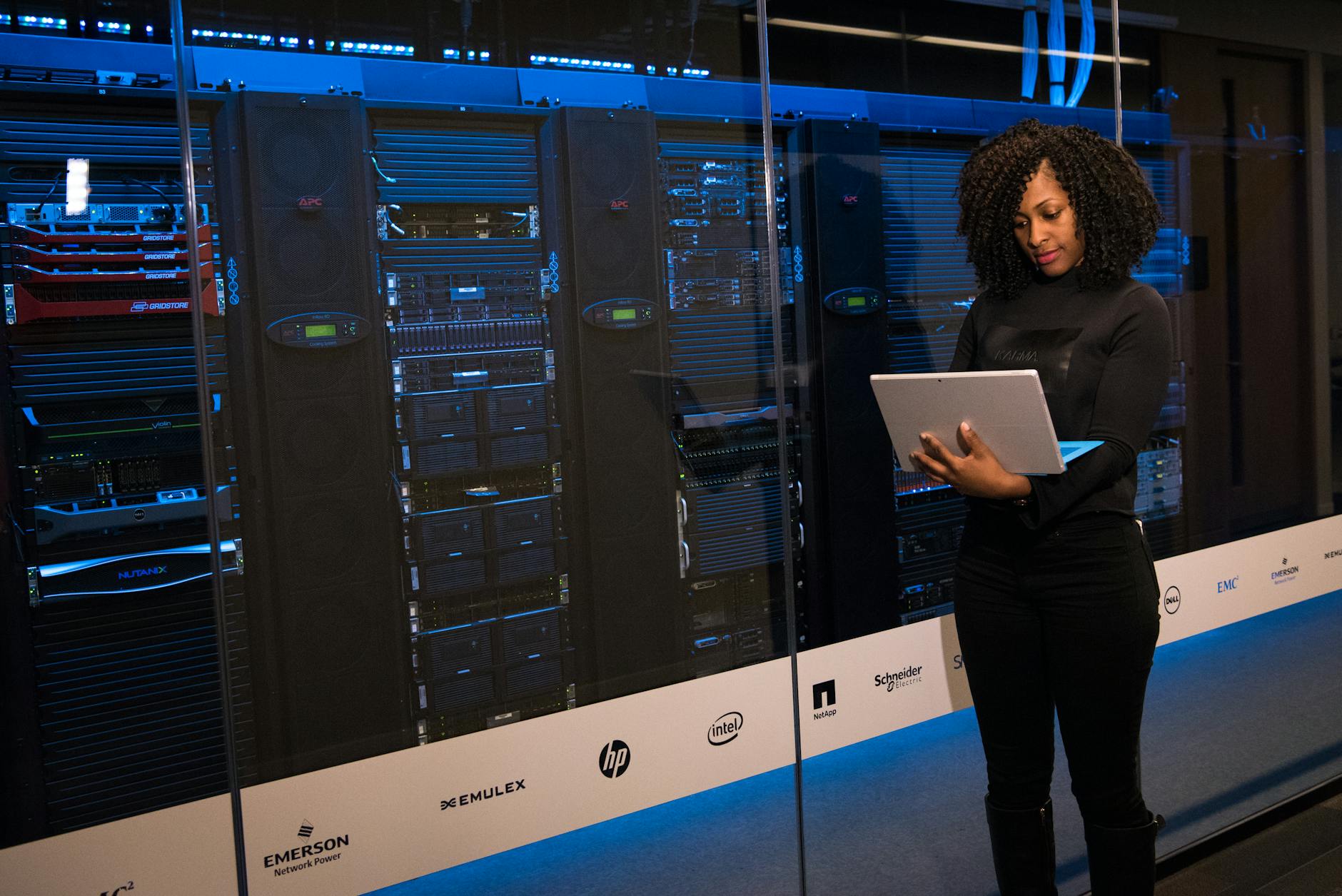
This massive expansion is driven by the insatiable energy demands of AI. Eaton is at the forefront with its 800-volt DC power distribution architecture, a technology it has been developing for over a decade. This system streamlines power flow from the utility directly to server racks, eliminating multiple conversion stages and significantly reducing energy loss. The blurring lines between "gray space" (power infrastructure) and "white space" (IT equipment) mean Eaton's integrated solutions are becoming indispensable for hyperscale operators.
The company's long-term investment in next-generation power electronics, including organic development of medium-voltage solid-state transformers over the past three years and the recent acquisition of Resilient Power, positions it uniquely. These solid-state transformers, currently undergoing pilot programs in Asia Pacific, are expected to achieve mass adoption within 2-3 years, aligning perfectly with the emergence of megawatt-class server racks. This technological leadership is critical as the industry grapples with unprecedented power requirements.
How Does the Boyd Thermal Acquisition Supercharge Eaton's AI Play?
Eaton's strategic vision extends beyond power distribution into the equally critical realm of thermal management, evidenced by its $9.5 billion Boyd Thermal acquisition, expected to close in Q2 2026. This acquisition is a game-changer, bringing a suite of advanced cooling technologies essential for the extreme heat generated by AI processors. Boyd Thermal specializes in cold plate technology and coolant distribution units (CDUs), which are vital for maintaining optimal operating temperatures in high-density computing environments.
Boyd's heritage, particularly its aerospace background, instills a level of reliability and precision that hyperscale data center operators now demand. In aerospace, "if something fails, people can die," a standard of robustness that translates directly to the mission-critical nature of AI infrastructure. This focus on unwavering performance is a key differentiator for Eaton, allowing it to offer solutions that meet the stringent uptime requirements of modern data centers.
A significant advantage brought by Boyd is its advanced simulation capabilities. The ability to rapidly model and tailor cold plate designs to the specific thermal profiles of new chips, like those from NVIDIA, drastically accelerates development cycles. This was notably validated when NVIDIA announced its Vera Rubin platform could operate efficiently with 45-degree Celsius (113°F) "warm water" cooling, potentially eliminating the need for traditional chillers in many climates. Such innovations reduce both operational costs and environmental impact, making Eaton's offering even more attractive.
The acquisition also includes a service model tailored for these complex, high-density environments. As power infrastructure and IT equipment converge, customers are increasingly seeking integrated, "systems approach" solutions rather than piecemeal components. Eaton, with Boyd Thermal, can now offer a more comprehensive, end-to-end solution, akin to the seamless experience of an "Apple ecosystem," where everything "just kind of works." This integrated approach simplifies deployment and management for data center operators, further solidifying Eaton's market position.
What Do Eaton's Recent Financials and Outlook Reveal?
Eaton's recent financial performance underscores its robust positioning amidst the surging demand for electrical infrastructure. The company reported strong Q4 2025 results, with revenue reaching $7.06 billion, marking a substantial 13.06% increase from the prior year. This impressive top-line growth was accompanied by an EPS of $3.33, which beat analyst expectations, and record 24.9% margins, highlighting operational efficiency and pricing power.
Despite these strong results, the initial market reaction to Eaton's Q4 2025 earnings and 2026 guidance was mixed. Shares initially slid over 4% premarket due to a slight revenue miss and a cautious 2026 outlook that fell below some analyst expectations. However, the underlying narrative quickly shifted back to the company's booming backlog, which was up 29% in electricals, fueled by data centers and mega-projects totaling an estimated $3 trillion. This long-term visibility, with an 11-year U.S. construction backlog, suggests durable growth despite any short-term jitters.
For 2026, Eaton provided guidance for mid-single-digit to high-single-digit organic growth, with EPS projected between $11.57 and $12.07. Analysts, on average, expect revenues of $30.1 billion and EPS of $12.40 for 2026, representing a 9.6% improvement in revenue year-over-year. While some analysts maintained their estimates post-earnings, the consensus price target remains robust, with a median of $405.50 from 14 analysts and a high estimate of $435.00. This suggests confidence in Eaton's ability to convert its massive backlog into sustained earnings growth.
The company's financial strength is further supported by its proactive capital management. In early February 2026, Eaton secured an $8.0 billion senior unsecured delayed draw term loan facility, maturing at the end of 2026. This facility provides ample liquidity and flexibility to fund strategic initiatives, including the Boyd Thermal acquisition and ongoing capacity investments, without significantly impacting its debt-to-equity ratio of 0.45. This financial prudence, combined with strong operational performance, paints a picture of a company well-equipped to capitalize on its market opportunities.
What Does Senator Hickenlooper's ETN Purchase Signal?
Senator John W. Hickenlooper's recent purchase of Eaton (ETN) shares, disclosed on February 6, 2026, for an amount between $50,001 and $100,000, is more than just a routine transaction; it offers a fascinating glimpse into potential legislative tailwinds for the company. Hickenlooper, a Democrat from Colorado, sits on the Senate Committee on Energy and Natural Resources, placing him at the nexus of policy decisions directly impacting Eaton's core businesses in power management, smart infrastructure, and energy transition.
The timing of his purchase, on January 14, aligns with a period of significant legislative activity around infrastructure and clean energy. Senator Hickenlooper was a key architect of the Bipartisan Infrastructure Bill (Infrastructure Investment and Jobs Act), signed into law in November 2021. This landmark legislation represents the largest investment in U.S. infrastructure since the New Deal, allocating billions for upgrading roads, bridges, rail lines, airports, and crucially, modernizing public transit systems and building electric vehicle charging stations and clean energy transmission lines. Eaton's products and solutions are integral to virtually all these initiatives.
Furthermore, Hickenlooper has been a vocal advocate for expanding high-speed internet access and addressing the affordable housing crisis, both of which require substantial electrical infrastructure upgrades and smart power management solutions. His recent efforts include welcoming $197.4 million in funding for Colorado communities in 2026 funding bills and co-sponsoring the ePermit Act to streamline federal permitting for energy projects. These legislative actions directly create demand for Eaton's electrical distribution, control, and power quality products.
The Senator's investment also comes amidst broader concerns about energy demand, particularly from AI and data centers. In October 2025, Hickenlooper, along with other Colorado lawmakers, demanded answers from the Department of Energy regarding the cancellation of over $600 million in Colorado energy projects, emphasizing the need to invest in "responsible and affordable energy solutions" to meet rising demand. His consistent focus on grid reliability and energy infrastructure suggests a deep understanding of the market drivers that benefit a company like Eaton.
What are the Bull and Bear Cases for Eaton?
The bull case for Eaton (ETN) is compelling and largely centered on its indispensable role in the global electrification and digitalization megatrends. At its core, Eaton is a "picks and shovels" play for the AI boom, providing the critical power infrastructure that enables data centers to function. The surging backlog of 165-200+ GW for data centers through 2030, coupled with the strategic Boyd Thermal acquisition, positions Eaton as a leader in both power distribution and advanced cooling—two non-negotiable components of AI infrastructure. The shift to 800V DC power and the imminent mass adoption of solid-state transformers represent significant technological advantages that will drive long-term growth.
Beyond AI, Eaton benefits immensely from broader infrastructure spending, particularly in North America, driven by the Bipartisan Infrastructure Law and ongoing grid modernization efforts. The company's diverse portfolio, spanning electrical, aerospace, and vehicle segments, provides resilience against sector-specific downturns. Strong financial performance, including record margins and consistent EPS growth, indicates operational excellence and effective capital allocation. Analysts maintain a "Moderate Buy" consensus with an average price target of $388.60, suggesting further upside from the current price of $374.56. The company's ability to convert its massive backlog into revenue and earnings, supported by its $8.0 billion credit facility, paints a picture of sustained growth.
However, the bear case cannot be ignored. While the data center boom is powerful, Eaton's narrative has become heavily dependent on this segment. Any slowdown in AI capital expenditure or a shift in data center architecture that favors alternative solutions could impact growth. The $9.5 billion Boyd Thermal acquisition is substantial and, while strategic, carries integration risks and could strain resources if not executed flawlessly. Furthermore, despite strong overall performance, the company's Q4 2025 revenue slightly missed consensus, and 2026 guidance was perceived as cautious by some, leading to initial stock price volatility.
Macroeconomic factors also present risks. While the U.S. Treasury yield curve is normal, indicating a healthy economy, a 10-year yield of 4.04% and a 30-year yield of 4.70% suggest a higher cost of capital. Persistent inflation or a significant economic downturn could dampen industrial demand outside of the data center segment. Competition in the electrical equipment space is fierce, with players like Vertiv, Schneider Electric, and ABB constantly innovating. While Eaton's integrated systems approach is a strength, some customers may still prefer best-of-breed component selection, potentially limiting market share in certain niches.
The Road Ahead for Eaton Investors
Eaton stands at a critical juncture, uniquely positioned to capitalize on the transformative shifts in global power management and infrastructure. The confluence of the AI revolution, the imperative for energy transition, and robust legislative support for infrastructure spending creates a powerful tailwind for the company's diverse portfolio. Investors should closely monitor the successful integration of the Boyd Thermal acquisition and the pace of mass adoption for solid-state transformers, as these are key catalysts for future growth.
The company's ability to consistently convert its record backlog into strong financial results will be paramount. While the stock has seen significant gains, trading near its 52-week high of $408.45, the long-term structural demand for its products suggests continued upside potential. Keep an eye on upcoming economic indicators, particularly ISM Manufacturing PMI and Atlanta Fed GDPNow, as they will provide broader context for industrial demand.
For investors seeking exposure to the foundational elements of the AI era and the broader electrification trend, Eaton offers a compelling proposition. Its strategic investments, technological leadership, and alignment with major policy initiatives paint a picture of a company poised for sustained relevance and growth in the decades to come.
Want deeper research on any stock? Try Kavout Pro for AI-powered analysis, smart signals, and more. Already a member? Add credits to run more research.
Related Articles
Category
You may also like
No related articles available
Breaking News
View All →No topics available at the moment