MarketLens
Is Howmet Aerospace Poised for a Decade of Dominance

Key Takeaways
- Howmet Aerospace (HWM) is capitalizing on a robust aerospace "super-cycle" and strategically diversifying into high-growth industrial gas turbine markets, projecting ~10% revenue growth and ~30.3% adjusted EBITDA margin for 2026.
- The company's core Engine Products segment, fueled by strong demand for next-gen jet engine components and defense programs like the F-35, is driving significant margin expansion and a $1.6 billion free cash flow target.
- While HWM's valuation metrics are elevated, its strategic pivot into data center power generation and strong analyst consensus for a "Buy" rating, with an average price target of $272.58, suggest continued upside potential.
Is Howmet Aerospace Poised for a Decade of Dominance?
Howmet Aerospace Inc. (NYSE: HWM) recently held its Technology & Markets Day on March 10, 2026, providing investors with a granular look at its strategic roadmap and an aggressive growth trajectory through the end of the decade. This event comes at a pivotal moment for the aerospace and defense sector, which is currently experiencing a "super-cycle" driven by military modernization and a surging commercial aviation market. Howmet, a leading global provider of advanced engineered solutions, is positioned as a critical enabler of this expansion.
The company's presentation underscored its deep integration into mission-critical aerospace and transportation applications, from jet engine components to aerospace fastening systems and forged aluminum wheels. With a global aircraft backlog nearing 15,000 units and defense budgets crossing the trillion-dollar threshold, Howmet's differentiated technologies, backed by approximately 1,170 granted and pending patents, are in high demand. Management confirmed the company is on track to hit its upgraded 2026 revenue guidance of $9.1 billion, representing a nearly 10% increase from its record-breaking 2025 performance.
This strong outlook is further supported by robust financial performance, with Howmet reporting record Q4 2025 revenue of $2.2 billion, up 15% year-over-year, and EPS of $1.05, exceeding estimates by $0.08. The company’s adjusted EBITDA margins reached 29.3% in 2025, with a teased path toward 30% by year-end 2026. Shares of HWM have reflected this optimism, trading at $236.75 as of March 13, 2026, near the higher end of its 52-week range of $105.04 to $267.31, and boasting an impressive 92.84% gain over the past year.
Despite a recent 2.90% dip on March 13, 2026, the broader sentiment remains overwhelmingly positive. Analysts project a 25.58% increase in EPS and a 15.3% revenue growth for the upcoming year. The company's strategic focus on margin expansion, disciplined capital allocation, and diversification into new high-growth areas suggest that Howmet is not merely riding the industry wave but actively shaping its future, making it a compelling case for investors looking for long-term growth in the industrials sector.
What's Driving Howmet's Core Aerospace Growth?
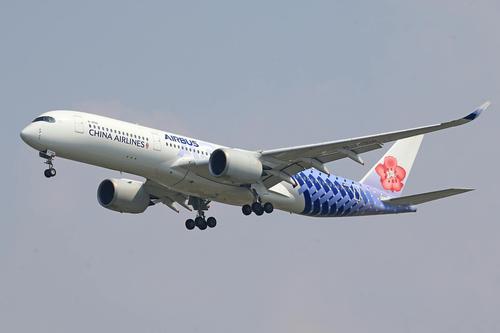
Howmet's "Engine Products" segment remains the crown jewel, experiencing a staggering 20% revenue surge in the final months of 2025. This momentum is set to continue into 2026, fueled by the aerospace industry's insatiable demand for critical components for next-generation engines like the CFM LEAP and Pratt & Whitney GTF. These advanced airfoils and seamless rolled rings are essential for improving fuel efficiency and reducing the carbon footprint of modern aircraft, aligning Howmet with key industry trends.
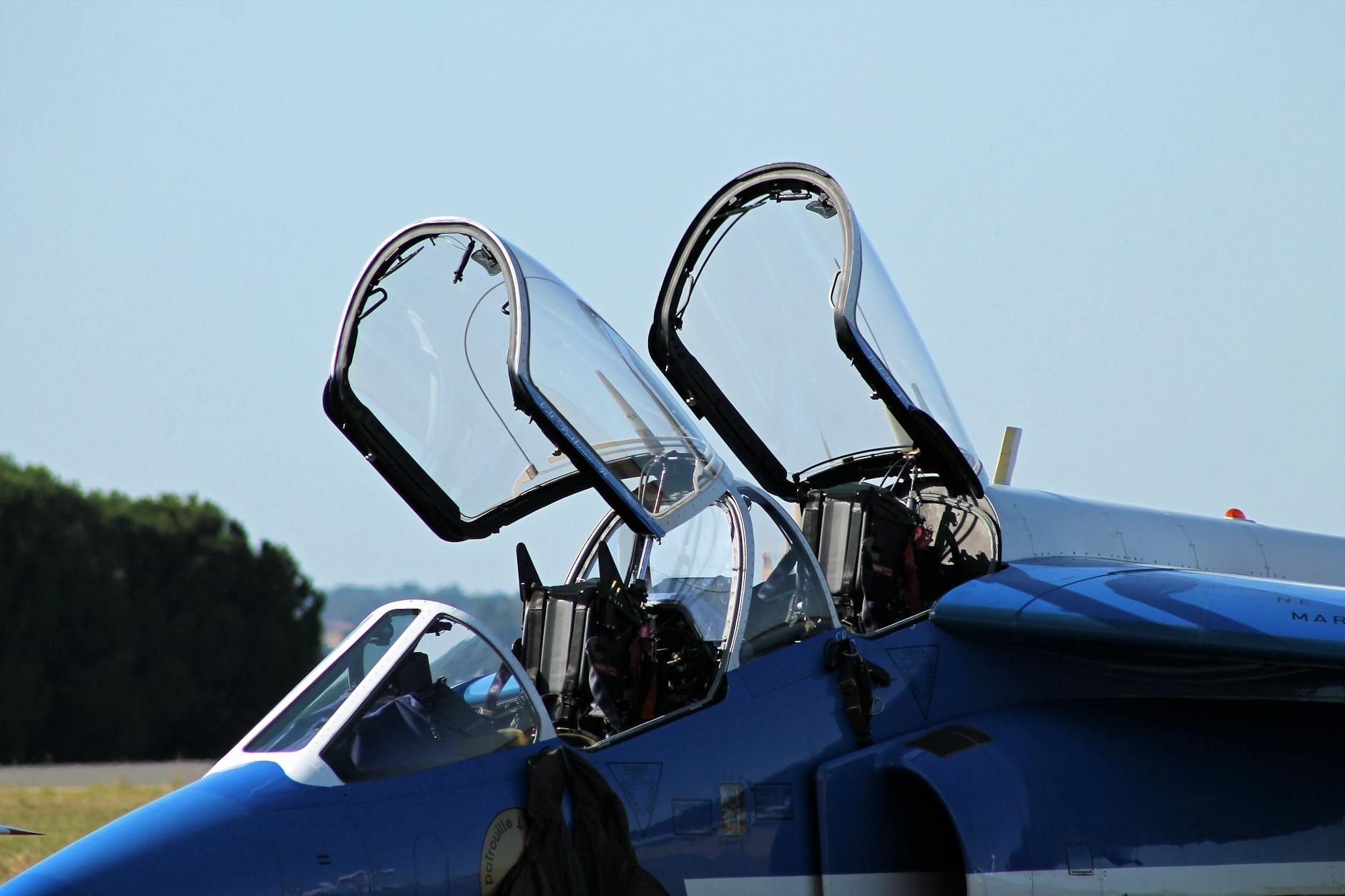
A significant driver of this growth is the robust aftermarket for engine spares. In 2025, F-35 spares demand actually exceeded the original equipment (OE) demand for the aggregate value of spare parts provided, highlighting the critical role Howmet plays in maintaining existing fleets. The F-15 and F-16 programs are also seeing new builds with reasonable quantities, further bolstering the defense aerospace segment. Howmet expects the F-35 Lightning II program to account for 45% of its Defense Aero revenue in 2026, cementing its position in vital national security initiatives.
The company's ability to secure pricing power and expand margins, even as capacity ramps, is a testament to its operational rigor and the specialized nature of its products. Howmet's differentiated products, including advanced airfoils, specialized fasteners, and forged structures, are central to driving growth above market rates. This focus on high-value, high-performance components ensures that Howmet remains an indispensable partner to major aerospace OEMs and defense contractors, benefiting from an "elongated recovery" in commercial aerospace and continued fleet expansion into the 2030s.
Howmet’s strategic investments and capacity expansion across its Engine Products, Fastening Systems, Engineered Structures, and Forged Wheels segments are designed to further enhance margin and cash conversion. The combination of commercial aerospace, defense aerospace, and gas turbine spares revenue was up 33% for the full year 2025 to $1.7 billion, now representing 21% of total revenue compared to 17% in 2024. This robust spares growth, accelerating throughout 2025, provides a stable, high-margin revenue stream that insulates the company from some of the cyclicality inherent in new aircraft builds.
How is Howmet Diversifying Beyond Traditional Aerospace?
Beyond its core aerospace strengths, Howmet is making a significant strategic pivot into the industrial gas turbine (IGT) market, particularly for data center power generation. This move aligns Howmet’s advanced metallurgy and turbine technology with the global AI infrastructure boom and the surging demand for electricity. Management projects that its base gas turbine business, currently around $1 billion, could double in revenue to $2 billion over the next 3 to 5 years, with even more growth envisaged beyond that, especially for mini-grids.
This diversification is a shrewd adaptation to the evolving energy landscape and a strategic hedge against the cyclical nature of commercial aviation. The demand for electricity generation, especially from natural gas for data centers, is extremely high, and Howmet is uniquely positioned to capitalize on this trend by supplying critical turbine blades. This new frontier could provide a substantial, less cyclical revenue stream, complementing its aerospace business and offering a pathway to sustained growth regardless of short-term aviation market fluctuations.
The company's expertise in manufacturing high-performance components for jet engines translates directly to the requirements of industrial gas turbines, which demand similar levels of precision, durability, and material science innovation. This cross-application of technology allows Howmet to leverage existing capabilities and intellectual property, including its extensive patent portfolio, into new, high-growth markets. The integration of "oil and gas" and "mid- to small IGT" revenue disclosures into a single "Gas Turbines" segment reflects this strategic shift and the blurring lines of end-use applications, particularly with data centers.
Furthermore, this pivot into IGT for data centers positions Howmet as a beneficiary of broader trends like "de-risking" of supply chains and "reshoring." As Western governments increasingly prioritize domestic production of critical components for energy infrastructure and defense, Howmet's U.S.-based operations and advanced manufacturing capabilities become even more valuable. This strategic adaptation to the energy crisis, coupled with its core aerospace business, paints a picture of a company actively expanding its margins and diversifying its revenue streams into high-growth sectors.
What Do Howmet's Financials and Analyst Sentiment Tell Us?
Howmet's financial health appears robust, underpinning its ambitious growth targets. The company boasts impressive margins, with a TTM Gross Margin of 30.7%, Operating Margin of 25.8%, and Net Margin of 18.3%. These figures reflect Howmet's strong pricing power and operational efficiency in its specialized markets. Return metrics are equally compelling, with TTM ROE at 29.7%, ROA at 13.5%, and ROIC at 18.2%, indicating effective capital deployment and shareholder value creation.
The balance sheet shows financial discipline, with a Debt-to-Equity ratio of 0.57 and a Current Ratio of 2.13, signaling a stable financial position. Management's capital allocation strategy, including recent acquisitions like Brunner and the pending purchase of CAM, is cited as a catalyst for growth, reinforcing investor confidence. The company also maintains a balanced approach to shareholder returns, with a dividend yield of 0.2% and a payout ratio of 12.0%, alongside an aggressive share buyback program supported by a high free cash flow conversion rate. Howmet targets $1.6 billion in free cash flow for 2026.
Wall Street analysts are largely bullish on HWM, with a consensus rating of "Buy" from 23 analysts (19 Buy, 3 Hold, 1 Sell). The average price target stands at $272.58, with a median of $276.50, and a high of $315.00, suggesting a significant upside from the current price of $236.75. Recent upgrades from RBC Capital, B of A Securities, and Citigroup, with price targets as high as $300, underscore confidence in Howmet's long-term positioning and potential for faster-than-industry growth driven by content gains, net pricing, and margin expansion.
However, it's crucial to acknowledge the valuation. HWM trades at a TTM P/E of 63.11, P/S of 11.55, and P/FCF of 78.75. These multiples are elevated, reflecting the market's high expectations for future growth and profitability. While strong financial performance and supportive earnings-call guidance drive optimism, a high P/E and low earnings yield (1.6%) suggest that much of the future growth is already priced in. This "expensive valuation" and "technically stretched momentum signals" (per Spark AI) increase downside risk despite the prevailing uptrend, warranting careful consideration for new investors.
What Are the Key Risks and Challenges for Howmet?
Despite the overwhelmingly positive outlook, Howmet Aerospace faces several risks and challenges that investors should monitor closely. One significant factor is the inherent cyclicality of the commercial aviation market. While the current "super-cycle" is robust, any deterioration in global economic conditions or unforeseen events could impact passenger demand and, consequently, new aircraft deliveries and aftermarket spares. Howmet's reliance on major OEMs like Boeing means that any production delays or quality control issues from these partners could directly affect its revenue streams.
Another challenge lies in supply chain dynamics and input costs. The volatility of titanium prices, a critical raw material for many of Howmet's advanced components, could pressure margins. While Howmet has demonstrated strong pricing power, sustained increases in material costs could erode profitability if not effectively passed on to customers. Furthermore, the specialized nature of Howmet's engineering roles means that labor shortages for skilled personnel could hinder capacity expansion and operational efficiency, potentially slowing down its ability to meet surging demand.
The company's elevated valuation, with a TTM P/E of 63.11 and P/FCF of 78.75, also presents a risk. While justified by strong growth prospects, such high multiples leave less room for error. Any miss on earnings guidance, slower-than-expected market recovery, or execution missteps on capacity ramps or strategic diversification could lead to significant stock price corrections. The "technically stretched momentum signals" and "overbought readings" highlighted by some analyses suggest that the stock might be vulnerable to pullbacks, even amid a strong uptrend.
Finally, while the strategic pivot into industrial gas turbines for data centers offers diversification, it also introduces new market dynamics and competitive landscapes. Successfully penetrating and scaling in this new sector will require sustained investment and flawless execution. Investors should also consider broader market volatility; Howmet's beta of 1.19 indicates higher sensitivity to overall market movements compared to the S&P 500. While analyst sentiment is strong, the most cautious estimates still assume lower revenue and earnings by 2028, reminding investors that views on Howmet’s upside and execution risk can differ widely.
What Does This Mean for Investors?
Howmet Aerospace stands at a fascinating crossroads, leveraging its core strengths in a booming aerospace sector while strategically expanding into high-growth adjacent markets. The company's Technology & Markets Day reinforced its position as a critical supplier, with robust demand for engine components and defense applications driving strong revenue and margin expansion. The pivot into industrial gas turbines for data centers represents a calculated move to diversify and capitalize on the AI infrastructure boom, potentially insulating HWM from future aerospace cyclicality.
For investors, the narrative is compelling: a high-quality industrial company with differentiated technology, strong financial performance, and a clear growth roadmap. However, the current premium valuation demands a long-term perspective and a belief in management's ability to execute on its ambitious targets, particularly maintaining its 90% free cash flow conversion while successfully breaking into the data center market. Watch for continued strength in commercial aerospace order books, consistent F-35 program performance, and tangible progress in the IGT segment as key indicators of Howmet's sustained ascent.
Howmet's current all-time highs may only be the beginning of a much longer ascent if it can navigate the challenges of supply chain volatility and maintain its operational rigor. The overwhelming analyst consensus and strong financial fundamentals paint a bullish picture, but prudent investors will keep an eye on execution, market dynamics, and valuation multiples to ensure the growth story continues to justify its premium.
Want deeper research on any stock? Try Kavout Pro for AI-powered analysis, smart signals, and more. Already a member? Add credits to run more research.
Related Articles
Is GE Aerospace's Recent Ascent Sustainable
Why is Wall Street Bullish on GE Aerospace
Category
You may also like


Dow 50,000? How About 60,000?

Can Howmet Sustain Growth as Commercial Aerospace Demand Surges?

Are You Looking for a Top Momentum Pick? Why Astronics Corporation (ATRO) is a Great Choice
Breaking News
View All →Featured Articles
Top Headlines

6 ETF Mistakes That Quietly Destroy Long-Term Returns

1 Artificial Intelligence (AI) Stock Down 25% That Could Roar Back in 2026

The Best 4 Retail Stocks to Buy and Hold for Decades

Prediction: This Artificial Intelligence (AI) Stock Will Benefit Most From the Shift to Software Monetization in 2026