MarketLens

Log in

Is the Middle East on the Brink of a Full-Scale Regional War

1 hour ago
SHARE THIS ON:

Is the Middle East on the Brink of a Full-Scale Regional War

Key Takeaways

  • The escalating US-Israel-Iran conflict has plunged the Gulf into unprecedented instability, forcing regional powers to abandon neutrality and confront direct threats to their economic and civilian infrastructure.
  • Global energy markets face significant volatility and potential supply disruptions as Iran targets critical oil and gas facilities and threatens the Strait of Hormuz, driving up geopolitical risk premiums.
  • Gulf states are rapidly accelerating defense spending and pursuing strategic autonomy, investing in integrated air defense systems and domestic military capabilities to counter Iranian aggression and reduce reliance on external security guarantees.

Is the Middle East on the Brink of a Full-Scale Regional War?

The Middle East finds itself at a critical geopolitical juncture, with the recent US-Israeli strikes on Iran, which tragically killed Supreme Leader Ayatollah Ali Khamenei, triggering a cascade of retaliatory actions that have expanded the conflict across the Gulf region. Iran's immediate response was not limited to Israel; it launched waves of ballistic missiles and drones targeting US military assets and, crucially, civilian infrastructure across Gulf Cooperation Council (GCC) states. This aggressive posture has shattered any illusions of neutrality for countries like the UAE, Saudi Arabia, Qatar, Oman, Kuwait, and Bahrain.

Within the first 48 hours of the conflict, Iran struck all GCC countries, with the United Arab Emirates bearing the brunt of hundreds of drones and missiles. These attacks explicitly targeted civilian sites, including airports and hotels, alongside major oil and gas infrastructure. The sheer scale of the assault on the UAE alone is staggering: authorities tracked 205 ballistic missiles, intercepting 190, and monitored 1,184 Iranian drones, neutralizing 1,110. While Gulf air defenses have proven largely effective in preventing catastrophic damage, the near-daily incidents have placed immense pressure on regional governments to respond decisively.

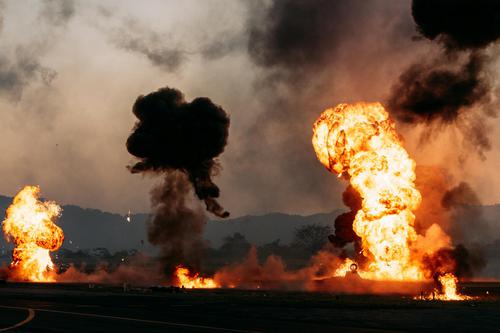
The economic ramifications were immediate and severe. Following the initial strikes, the UAE took the extraordinary step of halting trading on its major stock exchanges for two days. QatarEnergy also announced a halt in liquefied natural gas (LNG) production after drone strikes hit energy facilities in Ras Laffan and Mesaieed Industrial City. This direct targeting of economic lifelines, including Bahrain's Bapco Oil Refinery which declared force majeure on shipments after an Iranian attack, signals a deliberate strategy by Tehran to inflict maximum economic pain and coerce Gulf states into a war they desperately tried to avoid.

This escalation marks a profound shift from the region's long-held security assumptions. For years, Gulf stability relied on the US as the dominant security guarantor and a managed rivalry with Iran kept below the threshold of full confrontation. Now, with the conflict expanding rapidly and directly impacting their territories and economies, Gulf capitals are being forced to fundamentally revisit not only their defense planning but also the deeper logic of their regional strategy. The question is no longer if the war will spread, but how much further it will go and what the long-term consequences will be for global stability and markets.

How Are Gulf States Navigating This Geopolitical Minefield?

Gulf states are caught in an unenviable strategic dilemma, bound by their long-standing security ties to Washington while simultaneously exposed to Tehran’s escalating strategy of economic and military coercion. Despite initial attempts to declare neutrality and prevent their territories from being used for US or Israeli strikes, Iran’s indiscriminate targeting of both US assets and civilian sites within the GCC has rendered such a stance untenable. This has forced a rapid re-evaluation of their security doctrines, pushing them towards a more assertive and unified front.

The core challenge for Gulf rulers is balancing the pressure to align with US attacks against the very real risk of further Iranian reprisals. The lessons from recent history are stark: the Iran-Iraq War of the 1980s resulted in hundreds of thousands of casualties and inflicted severe economic and infrastructure damage over eight years, taking decades to recover. Today, with the Gulf economy deeply integrated with global markets, the cost of a prolonged war of attrition would be significantly magnified, eroding financial reserves that should be invested in development, education, and healthcare.

This precarious situation has accelerated the Gulf states' pursuit of strategic autonomy. Doubts about the reliability and effectiveness of external security providers, particularly the United States, have grown. Concerns escalated in August 2025 when Israel struck Iran, and again during the June 2025 12-Day Israel-Iran War, which saw an Iranian strike on Qatar, reinforcing fears that escalation can quickly impact Gulf security. Consequently, there's a growing consensus that collective action among GCC states is essential to pool resources, enhance defense capabilities, and provide diplomatic off-ramps.

Public statements from Saudi Arabia, Qatar, and the UAE have now explicitly warned Tehran that further aggression will be met with forceful responses to defend their sovereignty. This language places them squarely alongside Washington’s posture, signaling a shift from hedging to a more confrontational stance. The imperative is clear: protect sovereignty, safeguard future development, and maintain an equilibrium between the capability to respond forcefully and the wisdom to contain the conflict, denying adversaries the goal of expanding the battlefield.

What Are the Economic Stakes for Global Energy Markets?

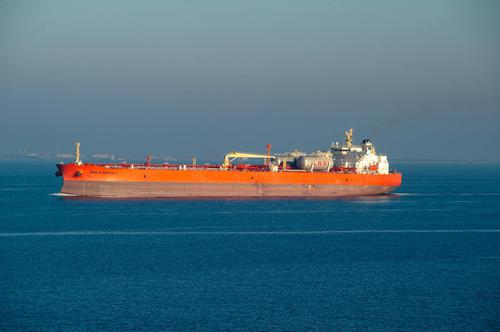
The escalating conflict in the Gulf poses an existential threat to global energy markets, with Iran explicitly leveraging its capacity to disrupt oil and gas flows as a core component of its pressure strategy. The Strait of Hormuz, a critical chokepoint through which approximately 20% of the world's oil supply passes, has become a primary target. Tanker traffic in the Strait has already fallen sharply following missile launches and maritime threats, immediately injecting a significant risk premium into crude prices and global shipping insurance rates.

History offers a stark warning: the 2019 drone strikes on Saudi Arabia’s Abqaiq oil processing facility, attributed to Iran-backed forces, caused oil prices to surge by nearly 15% in a single day—the largest intraday spike in decades. The current situation, with direct attacks on oil and gas infrastructure across the GCC, including Bahrain’s Bapco refinery and Qatar’s LNG facilities, suggests that similar or even more drastic tremors are highly probable. These disruptions are not merely tactical; they are designed to undermine the economic stability of Gulf states and, by extension, the global economy.

The United States, under President Trump, has made controlling global oil routes and dismantling Iran’s ability to threaten the Strait of Hormuz a key objective of its strategy. Reports indicate that the US is even considering seizing Kharg Island, Iran’s primary oil export terminal, a move that would dramatically escalate the conflict and send shockwaves through energy markets. Such actions, while aimed at neutralizing Iran's leverage, carry immense risks of further retaliation and prolonged instability, potentially leading to sustained high energy prices globally.

Major global powers, including China, are closely monitoring the situation. China, in particular, prioritizes the continuous flow of oil, especially from Arab Gulf countries, and aims to avoid escalation that could jeopardize its energy security. However, Iran’s strategy of attrition and entrapment, combined with its threats to target "oil, economic and energy infrastructures" linked to the US, means that volatility will remain a defining characteristic of energy markets for the foreseeable future. Investors must brace for continued price swings and supply chain uncertainties, as the Gulf’s economic centrality, once its greatest strategic asset, has become a potent lever of coercion.

How Will Defense Spending and Security Architectures Evolve in the Gulf?

The direct and widespread Iranian attacks across the Gulf have fundamentally reshaped the security calculus for GCC states, prompting an urgent and significant pivot towards enhanced defense spending and the rapid development of integrated security architectures. The realization that individual national defenses are insufficient against massed drone and missile attacks has spurred a drive for collective action and a more robust, unified response. This shift is not merely reactive; it represents a strategic imperative to safeguard sovereignty and protect critical infrastructure.

A cornerstone of this evolving strategy is the establishment of a fully integrated Air and Missile Defense (IAMD) system across the GCC. This framework aims to link the armed forces of the six member states through real-time command and control systems, enabling rapid decision-making and immediate responses to emerging threats. The UAE’s successful interception of 190 ballistic missiles and 1,110 drones demonstrates the effectiveness of advanced air defenses, but also highlights the need for pooled interceptor stockpiles and seamless coordination to handle the sheer magnitude of potential future assaults.

Beyond immediate defense, Gulf states are making substantial investments in developing domestic defense industries and military artificial intelligence technologies. This strategic move is designed to reduce their historical dependence on foreign arms imports and enhance strategic self-reliance, fostering what is termed "defense sovereignty." The goal is to ensure the ability to make independent military decisions, free from external pressure or international political fluctuations, thereby strengthening their long-term security posture.

This enhanced defense posture also involves deepening security and military coordination with reliable partners, including the United States and potentially Israel, to build deterrent systems that make attacks on their cities and economies too costly for any aggressor. While Gulf states have previously coordinated maritime security and joint defensive measures, the current crisis is catalyzing an unprecedented level of regional unity. This collective strategic mobilization, integrating political, diplomatic, military, economic, media, and legal instruments, is seen as a necessity for safeguarding national resources and consolidating the Gulf’s position as a stable and influential regional pole.

What Are the Broader Geopolitical Implications for US Influence and Regional Alliances?

The escalating conflict in the Middle East is not only reshaping Gulf security but also profoundly impacting US influence and the dynamics of regional alliances. For decades, the US has been the primary security guarantor in the Gulf, a role now being scrutinized by Gulf states who question Washington's ability to manage the escalation it initiates, deter retaliation against its partners, or take responsibility for the aftermath of a crisis unfolding on their doorstep. This skepticism is driving Gulf states to diversify their security partnerships and pursue greater strategic autonomy.

President Trump's "America First" approach, characterized by a transactional willingness to sell whatever Gulf states want to buy without necessarily translating into their ability to reshape his "war-forward outlook," has further complicated matters. While the US aims to end the war quickly with a "knockout blow" to Iranian military infrastructure, its allies, particularly the Gulf states, are increasingly wary of being drawn into a prolonged conflict that could exhaust their resources and destabilize their societies. This divergence in strategic priorities is testing the limits of traditional alliances.

The conflict has also exposed the limitations of other external powers. China and Russia, while significant players, are largely acting as neutral observers focused on protecting their economic and political interests. China prioritizes the continuous flow of oil from the Gulf and avoids military escalation, largely ignoring its strategic treaty with Iran. Russia, constrained by the war in Ukraine, cannot provide effective military support or serve as a credible mediator. This leaves Iran in "suffocating isolation," relying on attrition and entrapment strategies, while Gulf states are compelled to take more proactive roles in their own defense.

This critical geopolitical juncture is forcing Gulf states to re-evaluate their balancing act between major powers. They may reinforce their security partnership with the US if the campaign successfully eliminates the Iranian threat. Alternatively, they could continue diversifying defense cooperation with partners in Europe and Asia to decrease dependence on Washington, or deepen regional security cooperation within the GCC and with other Middle East partners. The outcome will determine not only the future of Gulf-US relations but also the broader geopolitical landscape of the Middle East for years, if not decades, to come.

What Does This Mean for Investors?

For investors, the current geopolitical climate in the Middle East translates into a period of heightened risk and significant opportunity, particularly in sectors directly impacted by regional instability. Energy stocks, defense contractors, and companies with substantial exposure to Gulf economies will experience increased volatility, demanding careful analysis and strategic positioning. The immediate surge in oil prices and disruptions to global supply chains underscore the direct financial implications of this conflict.

Defense spending across the GCC is set for a substantial boost as countries invest heavily in integrated air defense systems and domestic military technologies. This trend presents a clear upside for defense contractors and technology firms specializing in missile defense, drones, and military AI. Conversely, companies reliant on stable maritime routes through the Strait of Hormuz or with significant civilian infrastructure projects in the Gulf may face increased operational costs and project delays due to elevated security risks and insurance premiums.

The pursuit of strategic autonomy by Gulf states also signals a potential shift in investment patterns. While traditional US partnerships remain crucial, diversification of economic and security ties could open doors for European and Asian defense and technology companies. Investors should monitor the evolving diplomatic landscape for new partnerships and joint ventures that could emerge from this crisis, as Gulf nations seek to fortify their economic and military resilience.

Ultimately, the long-term impact on financial markets will hinge on the duration and intensity of the conflict. A prolonged war of attrition would drain Gulf financial reserves, divert investment from developmental projects, and continue to fuel global energy price volatility. However, a decisive resolution or a successful de-escalation through collective Gulf diplomacy could restore investor confidence and unlock significant growth opportunities in a region poised for strategic re-alignment.

The current environment demands a nuanced approach: recognize the inherent risks of geopolitical instability, but also identify the strategic shifts creating new avenues for investment in defense, energy security, and regional resilience.


Want deeper research on any stock? Try Kavout Pro for AI-powered analysis, smart signals, and more. Already a member? Add credits to run more research.

SHARE THIS ON:

Related Articles

Category

You may also like

News1 week ago

How The Mideast War Impacts Oil, Gas, And U.S. Stocks

The eruption of Middle East war raises major questions for energy markets, inflation, and the global economy. The conflict may impact oil, natural gas, and fertilizer supply chains. Consequences could...
Stock News2 weeks ago

Iran may 'lash out harder' as Khamenei's death puts Tehran on a war footing, leaving the world bracing for what's next

Iran's Supreme Leader Ayatollah Ali Khamenei died following joint U.S.-Israel strikes, causing Tehran to launch retaliatory attacks across the region. Geopolitical watchers suggest the regime may esca...
Crypto News2 weeks ago

XRP Price Crash to $1 Likely as Middle East Conflict Escalates

XRP faces a potential price crash toward the $1 level due to escalating Middle East conflict tensions involving Iran, Israel, and the USA.
Stock News3 weeks ago

Trump to decide whether to attack Iran in next 10 days — oil prices jump

Oil prices jumped following news that the U.S. launched a major military buildup in the Middle East, threatening Iran with potential military strikes within the next 10 days.

Breaking News

View All →

Top Headlines

View More →
Stock News37 minutes ago

Nvidia Says Company Firing Up H200 Production for China

Stock News40 minutes ago

Samsung Elec plans to produce Tesla chips starting late 2027

Stock News51 minutes ago

LTM Named NVIDIA Partner Network ‘Rising Star Consulting Partner of the Year' at NVIDIA GTC 2026

Stock News1 hour ago

Nvidia Just Reported $68 Billion in Revenue. Here's Why It Matters.

Stock News1 hour ago

Chinese authorities approve Nvidia's H200 AI chip sales, source says