MarketLens

Log in

How is the Market Reacting to the Middle East Escalation

5 days ago
SHARE THIS ON:

How is the Market Reacting to the Middle East Escalation

Key Takeaways

  • Escalating Middle East tensions have triggered a sharp "risk-off" market reaction, with Brent crude surging and global equities facing renewed volatility.
  • The critical chokepoint of the Strait of Hormuz remains the primary concern, with any prolonged disruption threatening a significant global energy supply shock.
  • Persistent energy price hikes risk reigniting inflation, complicating the Federal Reserve's monetary policy path and increasing the specter of stagflation.

How is the Market Reacting to the Middle East Escalation?

The global financial landscape has been abruptly reshaped by a dramatic escalation in the Middle East, following US and Israeli strikes inside Iran and subsequent retaliation. This rapid intensification, including reports of the Ayatollah's death and Iranian counter-attacks on US assets and Gulf states, has immediately translated into a textbook "risk-off" market environment. Flights across the Middle East have been grounded, and critically, freight traffic through the Strait of Hormuz has reportedly fallen by as much as 80%, signaling severe disruption.

The initial market reaction was swift and decisive. Oil prices surged, with Brent crude jumping over 10% at the open in Asian trade, quickly advancing to $85/barrel and briefly nearing $60/MWh for TTF natural gas. Gold, a traditional safe haven, also saw a sharp increase, breaking above key resistance levels. Concurrently, the US dollar strengthened as investors sought safety, while equities across Asia and Europe experienced a sharp sell-off, with European indices like the DAX particularly pressured due to their higher sensitivity to energy shocks.

This immediate volatility reflects an amplification of existing geopolitical risk premiums, rather than a fundamentally new shock. Markets had already priced in some probability of escalation, but the direct strikes and subsequent retaliation have forced a rapid de-risking and repositioning. The CBOE crude oil volatility index has surged, indicating that even if prices stabilize, rapid swings are likely to persist as markets digest unfolding headlines and assess the conflict's duration.

While the immediate economic footprint of Iran is modest, its strategic importance in global energy flows means that this conflict is not easily contained. The rhetoric from both sides, with Iran declaring "total war" and the US signaling regime change as an objective, suggests this may be the beginning of a prolonged confrontation rather than an isolated flare-up. This uncertainty is proving difficult for markets to price, leading to elevated volatility across asset classes.

What Does a Disrupted Strait of Hormuz Mean for Global Energy Supply?

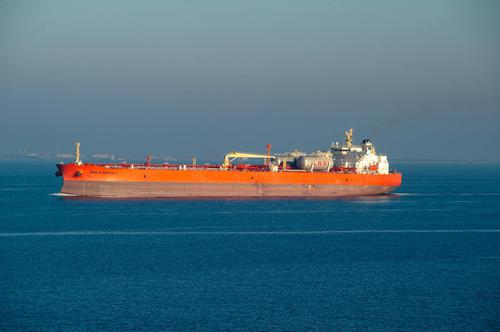
The Strait of Hormuz stands as the undisputed linchpin of global energy flows, and its potential disruption is the most acute risk emanating from the escalating Middle East conflict. This narrow waterway is widely cited as the world’s most important oil transit chokepoint, carrying roughly one-fifth of global petroleum liquids consumption and nearly 30% of crude oil seaborne shipments. Any sustained closure or significant impediment to traffic through the Strait would have profound and immediate implications for global energy markets.

Reports of commercial traffic declining sharply and major carriers pausing transits underscore the gravity of the situation. Even without a formal blockade, reduced shipping, withdrawn insurance coverage, and targeted attacks on vessels or energy facilities could significantly constrain supply flows. For context, the market's fear of a potential loss of 3 million b/d of Russian exports during the Russia/Ukraine conflict drove oil prices from around $80/bbl to over $125/bbl; the current threat involves 15 million b/d of Gulf crude and product exports.

While OPEC+ has indicated a potential supply increase of 206,000 b/d and possesses approximately 4 million b/d in spare capacity, logistical bottlenecks and the sheer scale of potential disruption through Hormuz present a formidable challenge. Alternative egress routes, such as Saudi Arabia's East-West pipeline with 1 to 2 million b/d of spare capacity, could partially mitigate a prolonged closure, but they cannot fully compensate for the volumes at risk. China, a major importer of Iranian oil, has built strategic oil reserves for around 200 days, offering some buffer, but this is a finite resource.

Europe is particularly vulnerable to an outsized impact, given its high dependence on energy imports and unusually low gas inventories, currently below 30% capacity. The European benchmark TTF natural gas price has already surged by as much as 50% in response to Qatari LNG production halts, and a prolonged shipping disruption in the Strait of Hormuz would drive prices significantly higher. This highlights the global interconnectedness of energy markets, where regional disruptions quickly translate into worldwide price spikes.

How Will This Conflict Impact Global Inflation and Economic Growth?

The central market theme emerging from the Middle East escalation is the significant risk to the global inflation outlook, with a potential for broader economic deceleration. A sustained energy shock, particularly if Brent crude prices remain elevated or continue to rise toward $100/bbl, would complicate the global disinflation narrative that central banks have been carefully cultivating. This is not merely an amplification of existing concerns; it introduces a tangible threat of stagflation – a toxic combination of higher inflation alongside weaker growth – which has historically proven challenging for both equities and bonds.

The immediate effect is a direct tax on consumers and businesses. Higher oil and natural gas prices translate into increased costs for transportation, manufacturing, and utilities, eroding purchasing power and squeezing corporate margins. Coface estimates that a prolonged $15 increase in Brent crude prices could reduce global growth by approximately 0.2 percentage points and add nearly 0.5 percentage points to inflation. Such a scenario would disproportionately hurt energy-importing nations, particularly in Asia (like India and China) and Europe, which are heavily reliant on Middle Eastern oil and LNG.

The United States, while more insulated with only an estimated 7% of its crude needs fulfilled by Middle Eastern oil, would certainly feel the impact. Higher energy costs would feed into the Consumer Price Index (CPI), which currently stands at 326.59 as of January 2026. The upcoming CPI data for February, with an estimated year-over-year inflation rate of 2.4% and core inflation at 2.5%, will be closely watched for any signs of renewed inflationary pressure. A significant and prolonged energy spike could easily push these figures higher, forcing a reassessment of the economic trajectory.

Beyond direct energy costs, elevated uncertainty could delay investment decisions, further weighing on global growth. The BlackRock Investment Institute highlights that a prolonged escalation that materially impairs energy transport through the Strait of Hormuz could trigger a stagflationary supply shock. This risk is amplified by geopolitical fragmentation, which reinforces the "world shaped by supply" narrative, making economies more vulnerable to disruptions and less resilient to price shocks.

What Does This Mean for the Federal Reserve and Monetary Policy?

The escalating Middle East conflict and its inflationary implications present a significant challenge for the Federal Reserve and other global central banks. Prior to this escalation, markets were still anticipating rate cuts, with the Federal Funds Rate currently at 3.64%. However, a sustained energy shock would complicate this expected path, reinforcing central bank caution and potentially leading to a reversal of monetary easing strategies.

Higher oil prices, feeding into broader inflation, would force the Fed to confront a difficult trade-off: prioritize combating inflation by maintaining higher interest rates, or risk stifling economic growth already under pressure from energy costs. The US Treasury yield curve, currently showing a normal spread with the 2s/10s spread at +0.55%, could see further upward pressure on longer-term yields if inflation expectations become unanchored. The 10-year Treasury yield, currently at 4.06%, reflects some of these concerns.

A prolonged energy spike introduces the risk of stagflation, a scenario historically challenging for central banks. In such an environment, the Fed might find itself in a bind, unable to aggressively cut rates to support growth without exacerbating inflation, or vice versa. This could lead to a "bear flattening" of the yield curve, where short-term rates rise or remain elevated while long-term rates struggle to fall, reflecting concerns over sticky inflation and reduced expectations for future rate cuts.

The upcoming US economic events, particularly the Core Inflation Rate YoY (Feb) and Inflation Rate YoY (Feb) on March 11, will be critical. If these figures come in higher than the estimated 2.5% and 2.4% respectively, especially against the backdrop of rising energy prices, it could solidify the Fed's hawkish stance. This would mean tighter financial conditions for longer, impacting everything from corporate borrowing costs to consumer credit, and potentially delaying the much-anticipated pivot to rate cuts.

How Should Investors Position Themselves Amidst Geopolitical Uncertainty?

In this environment of heightened geopolitical uncertainty, investors should prioritize diversification, liquidity, and a strategic assessment of sector-specific vulnerabilities and opportunities. The immediate market reaction has been a broad "risk-off" sentiment, but the ultimate impact hinges on the conflict's duration and any physical impairment to energy flows. This calls for a nuanced approach rather than indiscriminate portfolio de-risking.

Energy stocks, particularly those in the Oil & Gas Energy sector, have seen a significant positive reaction, with the industry up +7.55% and boasting a remarkably low P/E of 1.7. This suggests a strong bullish sentiment driven by rising oil prices and increased geopolitical risk premiums. Investors might consider a shift from pure oil exploration and production companies toward higher-quality integrated energy companies, which offer more diversified revenue streams and greater resilience. Gold equities also offer catch-up potential relative to bullion, given the safe-haven flows into precious metals.

Conversely, sectors highly sensitive to consumer discretionary spending and those with significant energy import dependencies face headwinds. European equities, for instance, face greater uncertainty given elevated natural gas prices and the region's vulnerability to energy shocks. Emerging markets present a mixed picture: while energy-importing EMs in Asia and parts of Europe could face pressure, commodity-exporting EMs in Latin America and Africa might benefit from higher prices or a shift in production away from the Middle East.

Beyond traditional asset classes, this conflict reinforces longer-term investment themes around energy security, defense, dual-use technologies (like artificial intelligence), and cyber capabilities. These areas may see increased investment as nations prioritize resilience and strategic autonomy. Maintaining adequate sources of cash and liquidity remains paramount, providing a relative source of stability and the flexibility to re-deploy risk once markets stabilize and the outlook becomes clearer.

What Are the Key Tail Risks and Mitigating Factors to Watch?

While the immediate market reaction has been significant, the critical question for investors remains whether this is a short-lived volatility spike or the beginning of a more persistent risk regime. The primary tail risk is a prolonged closure of the Strait of Hormuz or severe damage to critical oil infrastructure in the region, which could push oil prices above $100/bbl and trigger a multi-year recovery timeline. This scenario, though not the base case for many analysts, has an increasing probability as the conflict continues.

Another significant tail risk is the potential for the conflict to widen, drawing in other countries or leading to civil unrest in Iran, which could prompt deeper US involvement. Such an escalation would amplify geopolitical uncertainty, further complicate the global disinflation narrative, and increase the likelihood of a sustained energy shock. The "regime decapitation" strategy deployed by the Trump administration, if pursued further, could lead to unpredictable and destabilizing outcomes.

However, several structural elements could cushion the impact in the absence of extreme escalation. OPEC+ has spare capacity of approximately 4 million b/d, and there is an estimated 2.6 million b/d of available pipeline capacity that can bypass the Strait of Hormuz. The potential release from strategic reserves in the US and China also offers a temporary buffer. Furthermore, the global economy is far less oil-intensive than 50 years ago, meaning oil prices would need to reach well over $200/bbl to exert a similar level of shock to today’s global economy.

Ultimately, investors should focus less on daily headlines and more on key escalation signposts: Iranian targeting choices, the security of energy infrastructure, and signals from both sides regarding their willingness to seek a ceiling or prepare for a prolonged confrontation. The coming days will be crucial in determining whether this episode becomes a brief, albeit sharp, volatility spike or fundamentally alters the global economic and market outlook.


The current Middle East conflict demands vigilance and strategic positioning. While the immediate energy shock and market volatility are undeniable, the long-term investment implications will hinge on the conflict's duration and its impact on critical supply routes. Investors should remain agile, prioritize diversification, and be prepared for continued market swings as the situation evolves.


Want deeper research on any stock? Try Kavout Pro for AI-powered analysis, smart signals, and more. Already a member? Add credits to run more research.

SHARE THIS ON:

Related Articles

Category

You may also like

News8 hours ago

How Middle East turmoil will impact the ongoing market sector rotation

Main Management CEO Kim Arthur discussed Middle East turmoil's effect on sector rotation funds with CNBC, assessing if volatility is accelerating or reversing current market trends.
Stock News9 hours ago

Oil Instability Powers Interest in Uranium & Nuclear Energy

Escalating Middle East conflict is causing reverberating consequences across global markets, particularly impacting the energy sector.
Crypto News2 days ago

Middle East Tension & Yen Carry Risk: Is XRP Built For The Crunch?

Rising Middle East tensions may trigger a financial shock, potentially impacting the Japanese Yen carry trade. This uncertainty raises questions about XRP's resilience during market stress.
Stock News1 week ago

Which Stocks Are Most Affected by the War in the Middle East?

Financial markets reacted Monday to the weekend's joint U.S.-Israel attack, causing some stocks to fall and others to rise amid worries about developments in Iran.

Breaking News

View All →

Top Headlines

View More →
Stock News57 minutes ago

From Panic to Power: 5 Reasons the Bulls Reclaimed the Market

Stock News2 hours ago

German publishers reject Apple's revised app tracking rules, urge antitrust fine

Stock News2 hours ago

Microsoft's Stock Is Off to Its Worst Start to a Year Since 2008. Is Now the Time to Buy?

Stock News3 hours ago

Alphabet (GOOGL) Exceeds Market Returns: Some Facts to Consider

Stock News3 hours ago

Why Alphabet Inc. (GOOG) Outpaced the Stock Market Today