MarketLens
Is the Middle East Conflict Driving Oil Prices to Uncharted Territory

Key Takeaways
- Escalating Middle East tensions have triggered a significant energy supply shock, pushing crude oil prices higher and threatening global inflation expectations.
- The Federal Reserve's path to interest rate cuts is now clouded, with rising oil prices potentially forcing a more hawkish stance to combat renewed inflationary pressures.
- Investors should brace for continued volatility in bond markets, as Treasury yields react to shifting Fed expectations and the interplay between inflation fears and potential economic slowdowns.
Is the Middle East Conflict Driving Oil Prices to Uncharted Territory?
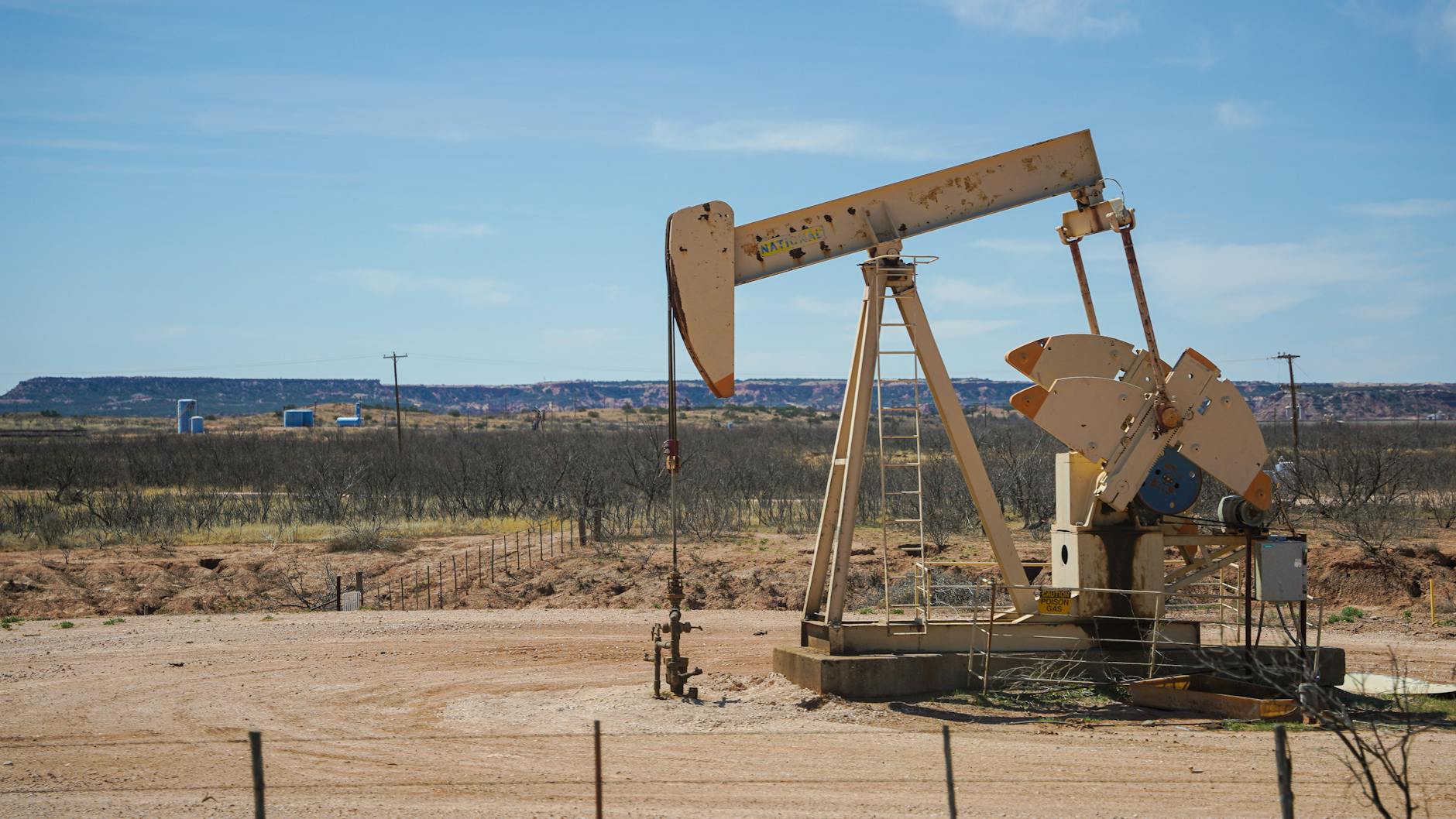
The Middle East is once again a flashpoint, and its escalating conflicts are sending shockwaves through global energy markets. Recent days have seen an unprecedented surge in geopolitical risk, with drone strikes on Saudi Arabia’s largest refinery and Qatar’s massive LNG facility, coupled with the effective closure of the critical Strait of Hormuz. This rapid sequence of events, which would typically unfold over months, has occurred within a mere 24-hour window, fundamentally altering the supply outlook.
The immediate consequence has been a sharp upward trajectory for crude oil prices. While WTI crude currently trades at $76.34 per barrel, up 2.39% in a single session, Brent crude has already surged to $84 a barrel and is eyeing the $90-$100 range, with some experts even suggesting a potential push to $120 if disruptions persist. This isn't just a minor fluctuation; it's a significant supply shock, with the Strait of Hormuz, a conduit for 20% of global oil and LNG volumes, seeing no transits for days.
The ripple effects are profound. QatarEnergy, the world’s largest LNG producer, has suspended operations at its Ras Laffan plant, while Saudi Arabia’s 550,000 b/d Ras Tanura refinery has halted completely. Even OPEC+, despite calls for increased output, opted for a modest 206,000 b/d production increase for April 2026, wary of further Iranian supply curtailments. This restraint, combined with the U.S. already shipping near capacity, means the global market is struggling to fill the sudden supply gap, creating a volatile environment for energy prices.
This energy shock is not merely a regional issue; it has global implications. Key refined products like diesel and jet fuel are spiraling out of control across the Atlantic Basin, and LNG prices have jumped by $15 per MMBtu. The U.S., despite its domestic production, imports 7.5-8.0 million barrels a day, making it highly vulnerable to these price hikes. A sustained rise in Brent crude beyond $100 could significantly widen the U.S. budget deficit, potentially forcing the Federal Reserve into difficult policy choices.
How Are Surging Energy Costs Impacting U.S. Inflation and Consumer Expectations?
The sudden spike in crude oil prices directly threatens the hard-won progress against inflation in the United States. Just recently, the annual inflation rate had shown signs of cooling, slowing to 2.4% in January 2026, its lowest level since May 2025. This deceleration was largely driven by easing energy prices, with gasoline falling 7.5% and fuel oil down 4.2% in January. However, the current geopolitical events risk reversing this positive trend, pushing headline Consumer Price Index (CPI) data higher almost immediately.
For every $10 increase in the cost of oil, the price at the pump could rise by up to 30 cents a gallon, directly impacting household budgets. While core inflation, which excludes volatile food and energy components, eased to 2.5% year-over-year in January, a sustained energy shock can indirectly seep into core prices through higher freight, airline, and goods costs. This makes the Fed's job of achieving price stability significantly more challenging, especially if consumer inflation expectations, a key metric for policymakers, begin to tick up.
The latest economic data, as of March 3, 2026, shows the overall inflation rate at 2.29%, with the CPI at 326.59. While these figures reflect the pre-conflict environment, the market is already anticipating a shift. The previous month's inflation expectations were 3.4%, and any sustained energy price increase could push this higher, complicating the Fed's narrative that inflation is moving sustainably towards its 2% target. This renewed inflationary pressure comes at a time when many Americans are already struggling with rising utility bills and grocery prices.
The current situation presents a stark contrast to the recent past. The January CPI report showed a monthly increase of just 0.2%, below forecasts, and core CPI rose 0.3% month-over-month. This "cooler" inflation data had previously boosted the outlook for Fed rate cuts. Now, with energy services already up 7.2% year-over-year in January and utility gas service up 9.8%, the new oil shock could exacerbate these pressures, forcing consumers to grapple with even higher costs across various sectors.
What Does This Mean for the Federal Reserve's Interest Rate Policy?
The escalating Middle East conflict and the resulting oil price surge have thrown a significant wrench into the Federal Reserve's plans for interest rate cuts in 2026. The market narrative just weeks ago centered on a stabilizing labor market and slowing inflation, paving the way for rate reductions. Now, the prospect of renewed inflationary pressures from energy costs makes it much harder for the Fed to justify easing monetary policy, potentially pushing back or even eliminating anticipated cuts.
Traders had been pricing in approximately 0.56% of Fed rate cuts for this year as of March 2, down slightly from 0.6% just days prior, reflecting the initial market reaction to the geopolitical events. The Fed's dual mandate of full employment and price stability means it must carefully weigh the risks. Lower rates support hiring but can fuel inflation, while higher rates cool prices but can weaken the job market. This conflict is particularly acute when facing a supply-driven inflation shock like the current energy crisis.
The Federal Funds Rate currently stands at 3.64% as of February 1, 2026. The central bank had resumed cutting rates in September 2025, confident that inflation was trending towards its 2% target after a year-long pause. However, if oil spikes while core inflation remains stubborn, the Fed may be forced to maintain higher rates for longer. This scenario would lead markets to reprice their easing bets for 2026, potentially delaying the first quarter-point cut, which was previously expected as early as July or September.
History offers a cautionary tale. During Russia's invasion of Ukraine in 2022, the Fed initially reacted dovishly, reducing plans for a major rate hike, only to see inflation sharply rise and then respond with aggressive rate hikes. Policymakers are acutely aware of this precedent. While some Fed officials, like Boston President Susan Collins and Richmond President Thomas Barkin, have already warned that inflation remains too high to consider short-term cuts, the current oil shock only reinforces a more hawkish bias among some members of the policymaking FOMC.
How Are Bond Markets Reacting to the Shifting Fed Outlook?
The bond market, typically a haven during global tensions, is currently grappling with a complex dilemma: the safe-haven demand for Treasuries is being overshadowed by fears of resurgent inflation. As oil prices surge due to the Middle East conflict, U.S. Treasuries have slid, pushing yields higher. This reaction is a direct consequence of traders repricing their expectations for Federal Reserve interest rate cuts, which now appear less likely in the near term.
The impact has been swift and significant. The 2-year Treasury yield climbed to 3.51%, while the benchmark 10-year Treasury yield rose to 4.06%. This represents a notable reversal from a strong February rally, when the 10-year yield had dropped below 4% for the first time since November. The 2s/10s spread currently stands at +0.55%, indicating a normal yield curve, but the upward pressure on yields across the curve is undeniable as inflation concerns take precedence.
Money markets have already pushed back expectations for the next Fed rate cut by two months, now looking towards September or even later. This shift reflects the market's belief that higher oil prices will keep price-growth pressures elevated, making the "bond-as-haven" trade less straightforward. Historically, major geopolitical events leading to oil price surges, such as Iraq's invasion of Kuwait or Russia's invasion of Ukraine, have consistently led to higher bond yields in the weeks and months that followed.
For retail investors, this means that fixed-income portfolios are facing increased volatility. While higher yields on new bond purchases might seem attractive, existing bond holdings could see their values decline as yields rise. The 30-year Treasury yield is now at 4.70%, offering a higher return but also reflecting the market's longer-term inflation concerns and the potential for increased government borrowing to fund extended military operations or energy subsidies. The market is caught between the traditional flight to safety and the very real threat of inflation eroding purchasing power.
What Are the Investor Implications and Key Factors to Watch?
For retail investors, the current geopolitical and economic landscape demands a cautious yet strategic approach. The immediate implication of surging oil prices and a more hawkish Fed stance is higher borrowing costs across the board. Mortgage rates, credit card rates, and business loans are all likely to remain elevated or even increase further, impacting everything from housing affordability to corporate expansion plans. This environment favors savers and those with floating-rate debt, but it presents challenges for borrowers.
Investors in fixed income should be prepared for continued volatility. While the recent rise in Treasury yields offers more attractive entry points for new bond purchases, the risk of further yield increases remains if the Middle East conflict persists and inflation proves stickier than anticipated. Diversification across bond maturities and types, including inflation-protected securities, could help mitigate some of these risks. The traditional safe-haven appeal of Treasuries is being tested, and a nuanced understanding of inflation dynamics is crucial.
Equity markets will likely see sector rotation. Energy and defense stocks could continue to benefit from the heightened geopolitical tensions and higher commodity prices, as seen in recent trading sessions. Conversely, sectors highly sensitive to consumer spending and borrowing costs, such as airlines, discretionary retail, and parts of the housing market, may face headwinds. Companies with strong balance sheets and pricing power will be better positioned to navigate this inflationary environment.
Here are three key factors to watch in the coming months:
- Duration of the Middle East Conflict: The longer the supply disruptions from the Strait of Hormuz and attacks on energy infrastructure persist, the greater the inflationary pressure and the more constrained the Fed's policy options will become. Any de-escalation could quickly reverse some of the recent oil price gains.
- Federal Reserve's Communication: Pay close attention to FOMC statements and speeches from Fed officials. Any shift in language regarding inflation expectations or the timeline for rate cuts will be critical. The March 17-18 FOMC meeting will be particularly telling.
- Inflation Data (Especially Core CPI): While headline CPI will immediately reflect energy price spikes, the trajectory of core CPI will be paramount. If core inflation remains stubbornly high or begins to accelerate due to indirect energy impacts, it will solidify the Fed's resolve to keep rates higher for longer.
The current environment is a stark reminder of how quickly global events can reshape the economic outlook. Investors must remain agile, focusing on portfolio resilience and adapting to a landscape where geopolitical risk and inflation concerns are once again at the forefront of monetary policy decisions. The path ahead is uncertain, but informed vigilance will be key to navigating these turbulent waters.
Want deeper research on any stock? Try Kavout Pro for AI-powered analysis, smart signals, and more. Already a member? Add credits to run more research.
Related Articles
Category
You may also like


Will Bitcoin crash if oil prices hit $100 per barrel?

Middle East Conflict Sparks Surge in Oil Prices

Oil Prices Mixed; May be Supported by Lingering Middle East Tensions
Breaking News
View All →Featured Articles
Top Headlines

IP Group portfolio company Oxa raises $103 million in Series D backed by National Wealth Fund and Nvidia

Physical AI Is Less Than 3% of Nvidia's Revenue. Here's How It Could Transform Nvidia By 2035.

Prediction: Nvidia (NVDA) Will Be Worth More Than Alphabet, Apple, Amazon, Tesla, Meta, and Microsoft Combined by 2030

Meta Creates New AI Unit to Accelerate Model Development