MarketLens
How Are Markets Reacting to the Escalating Mideast Conflict

Key Takeaways
- Escalating Mideast tensions have triggered a "dash for cash," boosting the US dollar and oil prices while initially weighing on gold and equities.
- The effective closure of the Strait of Hormuz is a critical supply shock, threatening global energy and fertilizer markets with sustained inflationary pressures.
- While initial market shocks often normalize, the unprecedented nature of this conflict suggests prolonged volatility and a potential shift in long-term asset allocation.
How Are Markets Reacting to the Escalating Mideast Conflict?
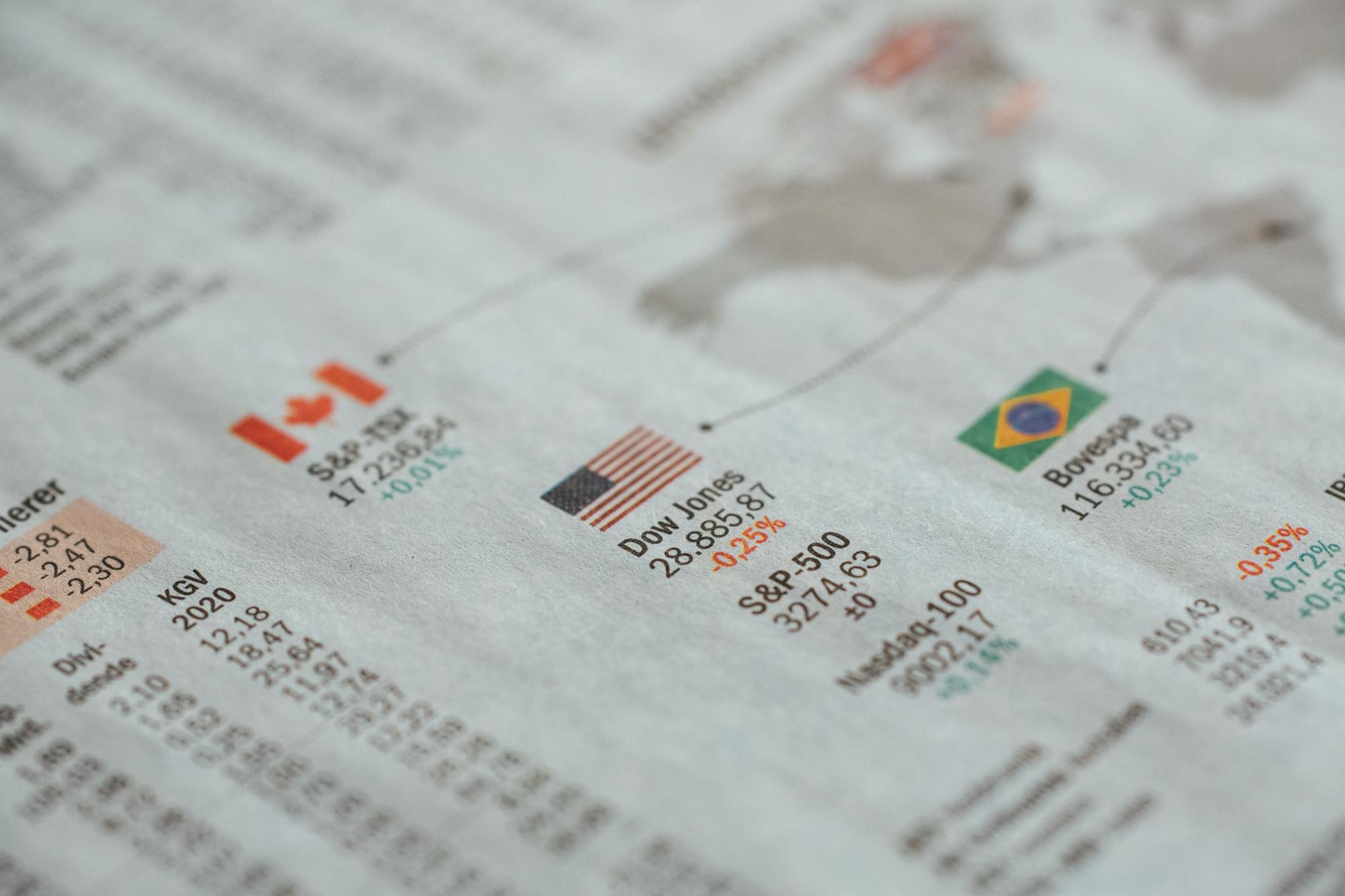
Global financial markets are experiencing significant volatility, characterized by a synchronized sell-off in risk assets and a pronounced "dash for cash" following the US and Israeli strikes on Iran. The immediate aftermath saw jarring price moves across the S&P 500, oil, and gold, with investors scrambling to reprice geopolitical risk. This initial shock has driven a flight to liquidity, pushing global money-market funds to attract $47.9 billion in inflows, marking the strongest surge since February 17, 2026.
The conflict, which commenced over the weekend with attacks on Iran and the death of Supreme Leader Ayatollah Ali Khamenei, has quickly upended the normal interplay between safe and riskier assets. On Tuesday, March 3, 2026, Wall Street's main indexes fell more than 2%, with the S&P 500 hitting its lowest point in over two months. European and Asian markets also saw sharp declines, reflecting a broad retreat from risk-on positioning. This widespread de-risking behavior is driven by uncertainty, inflation concerns from rising oil prices, and extreme market positioning prior to the crisis.
Interestingly, traditional safe havens have shown a mixed reaction. While the US dollar has surged, hitting multi-month peaks against the euro, sterling, and yen, gold initially plunged nearly 4%, marking its steepest one-day drop since January. This counterintuitive move for gold suggests that in moments of extreme market stress, the need for immediate liquidity can override its safe-haven appeal, as investors sell even gold to meet margin calls and close long positions. The US Treasury market also saw a nuanced response, with yields initially rising due to inflation fears before finding some support from safe-haven demand.
Crude oil, however, has been the primary beneficiary of the heightened tensions. Brent crude oil prices surged 8% over the weekend and continued to climb, with US crude oil rising more than 5% to $75.22 a barrel in afternoon trading on Tuesday. This sharp increase is directly linked to disruptions in the Strait of Hormuz and threats to energy infrastructure, fueling inflation risks and broad market stress. The market is clearly pricing in a significant geopolitical premium, reflecting concerns over global energy supply.
What Does the Strait of Hormuz Closure Mean for Global Energy?
The effective closure of the Strait of Hormuz is a game-changer for global energy markets, representing a critical choke point that has immediately sent oil and natural gas prices soaring. This narrow passage, bordered by Iran, is the crucial mouth of the Persian Gulf, through which approximately one-fifth of the world’s oil production and a significant portion of liquefied natural gas (LNG) passes. With Iranian Brig. Gen. Ebrahim Jabbari declaring the Strait closed and threatening any passing ships, marine traffic has slowed to a crawl, triggering an acute supply shock.
The immediate impact has been dramatic. Brent crude surged nearly 7% on Tuesday, reaching as high as $83 per barrel, up from just over $73 before the conflict escalated. US crude oil also saw significant gains, reflecting the severe disruption to global fuel supplies. This is not just about the volume of oil; it's about the lack of viable alternatives. While Saudi Arabia and the UAE have some pipeline capacity to bypass the Strait, these routes cannot match the sheer volume transported by tankers. Iraq, the second-highest OPEC producer, is particularly vulnerable, as most of its crude oil exports move through its southern port in Basra, making it heavily reliant on Hormuz.
Beyond crude oil, natural gas markets are also under immense pressure. European natural gas futures jumped by around 30% following strikes in Qatar, a major exporter of the commodity, while the price of natural gas in the US was up by 5%. This vulnerability is exacerbated by the fact that roughly 20% of both global oil and LNG passes through the Strait. Analysts warn that a full or near-full closure lasting a month or more could push crude oil prices "well into triple digits" and European natural gas prices "toward or above the crisis levels seen in 2022."
The implications extend beyond energy to other critical commodities, notably fertilizers. The Strait of Hormuz is also a crucial chokepoint for fertilizer transportation, with nearly one-quarter of globally traded nitrogen fertilizer moving through this single maritime passage. A prolonged conflict could be devastating for global nitrogen and phosphate markets, which already face supply issues and lack the strategic reserves seen in oil markets. This could lead to fresh price spikes for agricultural inputs, impacting crop growers and potentially contributing to broader food inflation.
Why Is Gold's Safe-Haven Status Being Challenged, While the Dollar Soars?
The current Mideast crisis has presented a perplexing scenario for traditional safe-haven assets, with the US dollar demonstrating robust strength while gold's performance has been surprisingly subdued, at least initially. On Tuesday, March 3, 2026, gold futures (GCUSD) were trading at $5,122.60, down 3.56% from the previous close of $5,311.60. This steep decline, marking gold's largest one-day drop since January, occurred even as global equities were selling off and geopolitical uncertainty surged.
This counterintuitive movement for gold can be attributed to a "dash for cash" phenomenon. In moments of extreme market stress and heightened volatility, investors prioritize liquidity above all else. This often means selling assets that are readily convertible to cash, even those typically considered safe havens, to cover margin calls or reduce overall portfolio risk. The soaring US dollar, which hit multi-month highs against major currencies like the euro (EURUSD rate at 1.1617, down 0.62%) and yen (USDJPY rate at 157.5900, up 0.14%), underscores its role as the ultimate global reserve currency and liquidity haven.
The dollar's strength is further bolstered by its perceived stability amid global turmoil and the US Treasury market's depth. While US Treasuries initially saw some pressure from inflation concerns tied to rising oil prices, the underlying demand for safety and liquidity ultimately supported the dollar. Forex traders are actively selling currencies of net energy importers, which naturally creates bullish momentum for the American currency. This dynamic highlights that in a truly "risk-off" environment, the dollar's unparalleled liquidity and global acceptance often make it the preferred refuge over gold, especially when the need for immediate cash is paramount.
However, the narrative around gold may evolve. While the initial sell-off reflects a liquidity squeeze, a prolonged conflict and sustained inflationary pressures from higher oil prices could eventually reignite gold's appeal as an inflation hedge and a store of value. The current gold price of $5,122.60 is still significantly above its 52-week low of $2,882.50, indicating a strong underlying bullish trend over the past year. If the conflict drags on, and the inflationary impulse becomes embedded in the global economy, gold could yet resume its upward trajectory, acting as strategic collateral against currency debasement and economic uncertainty.
What Are the Broader Economic and Inflationary Implications?
The escalating Mideast conflict carries significant broader economic and inflationary implications, threatening to undermine global economic stability and complicate monetary policy decisions. The most immediate and tangible impact stems from the surge in oil and natural gas prices. With crude oil prices jumping and gas prices moving higher in the United States, the threat of rising inflation is palpable. This comes after nearly five years of elevated costs, meaning even a modest pickup in prices could further sour consumer sentiment and heighten affordability concerns, which are already a top political issue.
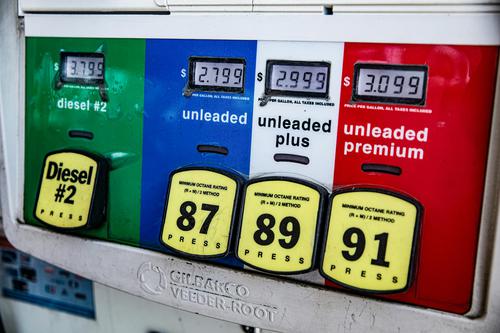
A sustained increase in energy prices directly translates into higher costs across the economy. Gasoline and diesel prices will rise, impacting consumers' wallets and increasing transportation costs for businesses. This, in turn, can lead to higher airfares and increased grocery prices, as shipping becomes more expensive. Beyond direct fuel costs, oil is a fundamental input in numerous industrial processes, chemicals, and plastics manufacturing. Therefore, higher crude prices could spread inflationary pressures far and wide, impacting a vast array of goods and services.
The effective closure of the Strait of Hormuz exacerbates these inflationary risks by disrupting global supply chains. The narrow waterway is not only critical for oil and gas but also for other commodities like aluminum, sugar, and, crucially, fertilizers. When transit times stretch by weeks, raw materials arrive late, components don't show up on schedule, and manufacturers face slowdowns or production halts. This creates delays, tighter inventories, and rising prices for consumers, amplifying inflationary pressures beyond just energy. Industries like automotive manufacturing, consumer electronics, pharmaceuticals, and medical supplies are particularly vulnerable to these disruptions.
For central banks, particularly the Federal Reserve, this presents a challenging dilemma. Just as President Trump has been insisting that inflation is on the run, the conflict threatens another price spike that could undermine the case for lower interest rates. While some measures of inflation have cooled, the Fed's preferred measure has been stuck at about 3% for roughly a year, still above its 2% target. A prolonged conflict that pushes inflation significantly higher could force the Fed to delay anticipated rate cuts, maintaining higher real rates that could cap commodity demand and equity valuations, thus risking stagflation.
How Do Past Geopolitical Shocks Inform Our Current Outlook?
Analyzing past geopolitical shocks offers valuable context, but the current Mideast conflict presents unique challenges that may diverge from historical patterns. A Yahoo Finance analysis of nine key moments in recent history, from Iraq's 1990 invasion of Kuwait to the Israel-Iran war in June 2025, found a familiar pattern: prices often spiked on the first days of trading but tended to normalize within weeks, even when fighting was protracted. For instance, after the June 2025 Israel-Iran conflict, Brent oil jumped 7.3% initially but was down 0.6% after 30 trading days. Gold saw a 1.49% one-day move up, followed by a 1.39% decline over 30 days. The S&P 500 dropped 1.13% on day one, then rose 5.70% after 30 days.
This historical resilience suggests that equity markets often look through immediate shocks, pricing in the expectation of a contained conflict. The S&P 500, for example, recovered initial losses within months after the Gulf Wars, posting strong annual gains. This tendency to "buy the dip" after initial panic has been a recurring theme. However, the current situation in Iran is significantly more widespread and consequential, notably with the killing of Supreme Leader Ali Hosseini Khamenei and the effective closure of the Strait of Hormuz. Analysts note that the scale of Iran's retaliation has been a "big, big surprise," making this a "totally different world" from what markets anticipated in previous, more telegraphed conflicts.
The duration of the conflict is the pivotal factor. While Goldman Sachs' head of oil research suggests the stock market thinks the Iran war will last about four weeks, President Trump has pledged it could last for four to five weeks, or even "be fought ‘forever’." If the conflict remains short-lived and contained, historical patterns of market normalization might still hold, allowing for a round of market relief. However, if hostilities persist for a few months, the economic and inflationary impacts would likely worsen significantly, potentially pushing inflation above 3% for the first time since early 2024.
Therefore, while historical precedents offer a baseline, investors must acknowledge the unprecedented nature of this particular escalation. The direct threat to the Strait of Hormuz, a critical global choke point, and the broader scope of the conflict introduce a level of supply chain disruption and inflationary risk not always present in past geopolitical events. This suggests that while initial market reactions may mimic historical patterns, the potential for sustained volatility and a more profound economic impact is considerably higher this time around.
What Does This Mean for Investors?
For investors navigating the current Mideast crisis, the immediate strategy should prioritize risk management and a discerning eye on key market indicators. The "dash for cash" phenomenon highlights the importance of maintaining adequate liquidity and diversification. While the US dollar remains the premier safe haven, gold's initial sell-off underscores that even traditional refuges can be volatile in extreme liquidity events. Investors should be prepared for continued headline risk and elevated market volatility as the situation remains fluid.
The energy sector is clearly in focus. With crude oil (CLUSD) trading at $73.87 and natural gas (NGUSD) at $3.05, both showing significant gains, energy stocks and related commodities are likely to remain leaders. However, caution is warranted against chasing rallies at current peaks, as much of the upside may already be priced in. Defense stocks are also receiving a bid due to increased demand for their products, while consumer discretionary stocks are likely to be losers due to higher oil prices impacting airlines and retailers.
Investors should closely monitor the situation in the Strait of Hormuz. Any sustained disruption or further escalation there will have a direct and severe impact on global oil, gas, and fertilizer prices, fueling inflation and supply chain issues. Key economic events to watch include the API Crude Oil Stock Change on March 10, 2026, and CFTC speculative net positions for gold and crude oil on March 6, 2026, which can provide insights into market sentiment and supply dynamics.
Finally, consider the long-term implications for inflation and central bank policy. If the conflict leads to sustained higher energy prices, the Federal Reserve may delay rate cuts, maintaining higher real rates. This environment could favor sectors linked to supply-side investment, such as defense, infrastructure, and industrials. While geopolitical flare-ups typically create temporary sell-offs rather than sustained bear markets, the unique nature of this conflict demands vigilance and a flexible investment approach.
The Mideast crisis is a stark reminder of geopolitics' power to reshape market dynamics. While initial shocks can be severe, a clear understanding of the underlying drivers—especially the Strait of Hormuz's critical role—is essential. Investors must remain agile, prioritize risk management, and watch for signs of either de-escalation or prolonged inflationary pressures to guide their strategies.
Want deeper research on any stock? Try Kavout Pro for AI-powered analysis, smart signals, and more. Already a member? Add credits to run more research.
Related Articles
Category
You may also like


Next Steps for Market in Iranian Conflict & Retail's Big Week

Here's How The Conflict In Iran Is Affecting Markets

European Defense Companies Soar on Middle East Conflict
Breaking News
View All →Featured Articles
Top Headlines

Siegel: Nvidia's 20x P/E Is a Steep Discount for a 30-40% Growth Stock

Nvidia Swears Off an Earnings Crutch, Putting Pressure on Other Tech Companies

Apple stock flashes ‘worst bearish cross', expert warns crash to $200 imminent

How Build-A-Bear Went on an Nvidia-Like Run