MarketLens

Log in

Is the US Trucking Industry Headed for a Crisis

2 hours ago
SHARE THIS ON:

Is the US Trucking Industry Headed for a Crisis

Key Takeaways

  • The U.S. trucking industry faces a severe "double whammy" from soaring diesel prices, now over $5 per gallon, and a new federal rule threatening to remove up to 200,000 immigrant drivers from the road.
  • These compounding pressures are set to drive up freight rates, exacerbate existing driver shortages, and ultimately contribute to higher consumer prices across the economy, especially for essential goods like food.
  • While legal challenges and strategic petroleum reserve releases offer some temporary relief, the long-term outlook points to sustained operational hurdles and increased costs for carriers, demanding innovative solutions and policy adjustments.

Is the US Trucking Industry Headed for a Crisis?

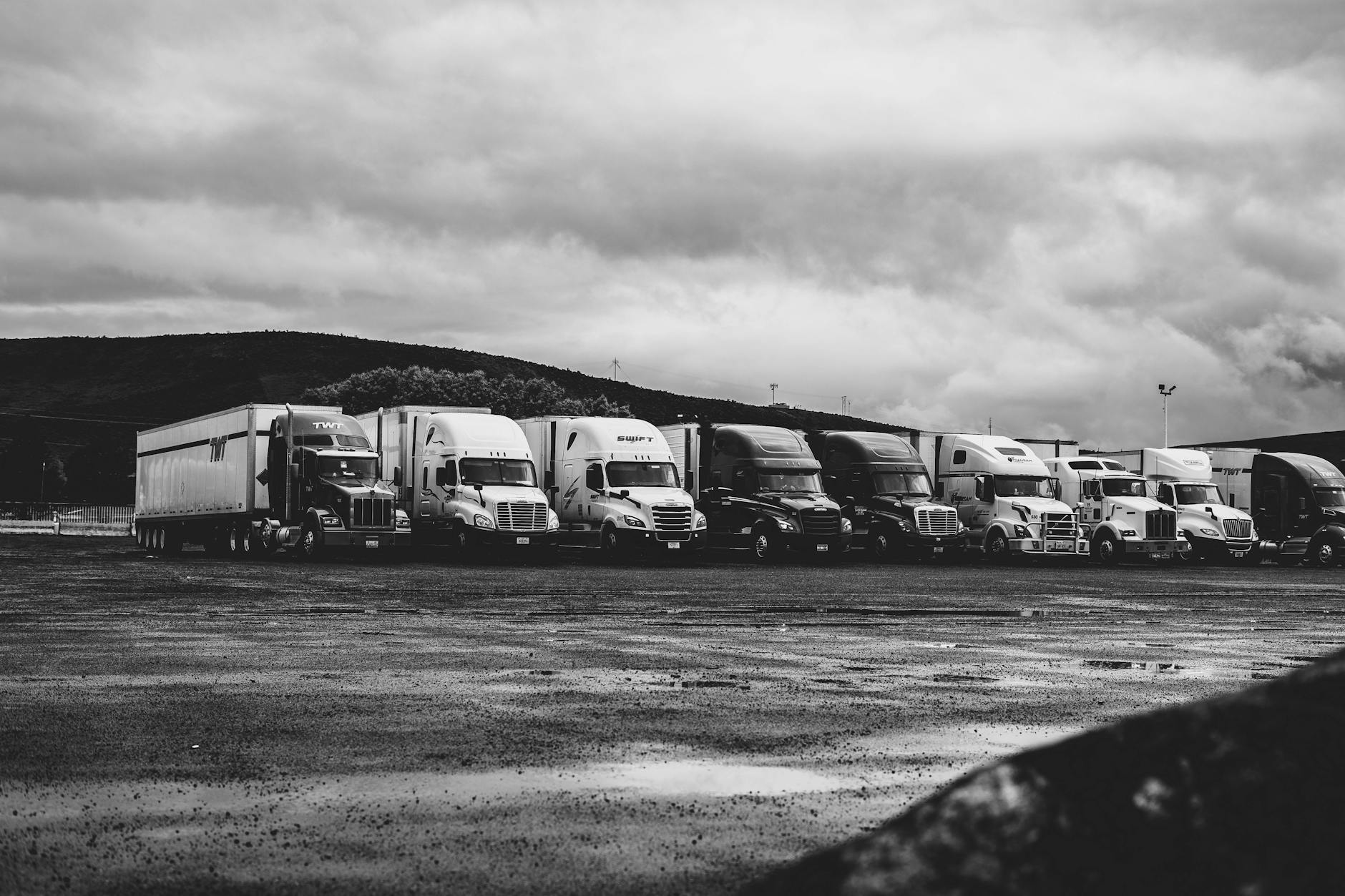
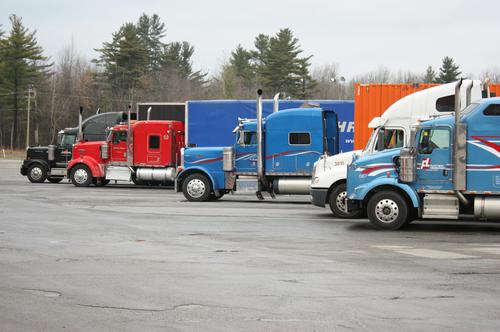
The backbone of the American economy, the U.S. trucking industry, is currently navigating a perfect storm, facing a confluence of challenges that threaten to significantly impact supply chains and consumer prices nationwide. At the heart of this brewing crisis are two potent forces: a dramatic surge in diesel fuel costs and an impending federal crackdown on immigrant commercial driver’s licenses (CDLs). These issues, individually formidable, are now converging to create an unprecedented operational and financial squeeze on carriers, from large logistics giants to independent owner-operators.

Diesel, the lifeblood of freight transportation, has recently topped $5 a gallon for the first time since December 2022, a direct consequence of ongoing geopolitical tensions, particularly the war in Iran, which has disrupted global energy supplies. This sharp increase, more than a third higher than before the conflict began, is immediately translating into higher operating expenses for trucking companies. Simultaneously, a new federal rule restricting the issuance of non-domiciled CDLs is poised to remove a substantial portion of the immigrant trucking workforce, further tightening an already strained labor market.

The implications extend far beyond the trucking sector itself. With trucks moving over 70% of U.S. freight, any disruption or cost increase within this industry inevitably ripples through the broader economy, affecting manufacturing, agriculture, retail, and ultimately, the wallets of everyday consumers. As these dual pressures intensify, the question isn't if there will be an impact, but how severe it will be and what strategies can mitigate the fallout. Investors and consumers alike should prepare for potential inflationary pressures and supply chain volatility as the industry grapples with these compounding headwinds.

How Are Soaring Diesel Prices Impacting Trucking Companies?

The recent spike in diesel prices, with the nationwide average retail price reaching $5.044 a gallon according to AAA, is delivering a direct and painful blow to trucking companies' bottom lines. This isn't just a marginal increase; it represents a significant jump of nearly a dollar per gallon since the start of the Iran War, pushing fuel costs to levels not seen in years. For a typical big rig, filling a tank can now cost nearly $800, a stark contrast to the $375 that previously covered 1200 miles just weeks ago.

This dramatic surge means carriers are seeing their operational expenses skyrocket. Hartman Trucking, for instance, reported a 25% increase in fuel costs since late February, translating to an additional $100,000 a year in expenses for a company that previously budgeted $12,000-$13,000 monthly for fuel. Such rapid and substantial cost increases are incredibly difficult for companies to absorb, especially in a market where freight rates have remained stagnant. While some companies, like Girteka Logistics, adjust pricing weekly, many struggle to pass on the full burden to customers, eroding already thin profit margins.

The ripple effect is inevitable. Bruce Vick, general manager at Hartman Trucking, noted that while his company increased its fuel surcharge by 10%, this still doesn't cover the full increase and will likely force his customers to raise their own prices. This direct pass-through of costs means that higher diesel prices are a significant inflationary driver, impacting everything from manufacturing to the cost of groceries. Crude oil prices, currently trading at $92.26 a barrel, down slightly from a previous $93.50, remain elevated, suggesting that relief at the pump may not be immediate or substantial.

What's the Impact of the New Immigrant Trucker License Rule?

Beyond fuel costs, the trucking industry is facing a looming labor crisis fueled by a new federal rule that significantly restricts the issuance of non-domiciled Commercial Driver’s Licenses (CDLs). This rule, which went into effect on March 16, bars asylum seekers, refugees, DACA recipients, and other "non-domiciled CDL holders" from renewing their licenses, even if they are legally authorized to work in the U.S. The Federal Motor Carrier Safety Administration (FMCSA) justified the rule by citing safety concerns, arguing that states lack the ability to access foreign driving records for proper vetting.

The scale of this potential workforce reduction is substantial. Estimates suggest that up to 200,000 immigrant drivers could be taken off the road in the coming years as their existing licenses expire. This represents approximately 5% of the current U.S. trucking workforce, a critical segment in an industry already grappling with a shortage of around 60,000 drivers. The impact is expected to spread gradually as licenses reach their expiration dates, but the long-term implications for freight capacity are severe.

California, a major hub for trucking, has been at the forefront of this issue, with its DMV initially revoking approximately 13,000 non-domiciled CDLs. A subsequent court ruling temporarily allowed these drivers to retain their licenses, but the federal government has threatened to withhold $160 million in highway funds from California as punishment for non-compliance. Critics, including legal advocacy groups and unions, argue that the administration has not provided empirical evidence linking immigrant status to reduced safety and that the rule amounts to "collective punishment," further exacerbating the nation's existing driver shortage.

How Will These Challenges Affect Supply Chains and Inflation?

The dual pressures of soaring diesel prices and a shrinking driver pool are creating a potent recipe for widespread supply chain disruptions and persistent inflationary pressures. When fuel costs rise dramatically, and fewer drivers are available to haul goods, the inevitable outcome is higher freight rates. This "multiplicative effect" on transportation costs directly translates into increased prices for nearly every consumer good, from electronics to everyday groceries. The current inflation rate of 2.37% could see upward pressure as these trucking challenges fully materialize.

Trucking is not merely a component of the supply chain; it is, as one expert put it, "the glue that holds the entire system together." For critical sectors like agriculture, the reliance on trucks is even more pronounced, with over 70% of all agricultural products, including 90% of dairy, produce, and nuts, moved by road. Any delay or increased cost in transporting these perishable goods can lead to waste, shortages, and significantly higher prices at the supermarket. The existing driver shortage, already a significant hurdle, will only deepen as immigrant drivers are forced off the road, further straining capacity.

The economic impact is not theoretical. Trucking companies are already struggling with per-mile costs increasing considerably faster than inflation, while freight rates and tonnage have remained stagnant. This imbalance means that even if demand softens, the underlying cost structure for moving goods remains elevated. The U.S. Treasury yield curve, with the 10-Year yield at 4.20% and the 2s/10s spread at a normal +0.52%, indicates a stable but higher interest rate environment, which could further increase borrowing costs for trucking companies looking to invest in new equipment or technology to offset these challenges.

What Strategies Are Trucking Companies Employing to Mitigate Risks?

In the face of these compounding challenges, trucking companies are not standing still; they are actively implementing a range of strategies to maintain operational efficiency and control costs. One immediate response to high fuel prices is optimizing routes and combining trips to reduce empty miles and maximize load efficiency. This means meticulous dispatch planning and leveraging technology to find the most fuel-efficient paths and ensure trucks are always running full. For owner-operators, disciplined freight selection and rigorous cost control have become more critical than ever to navigate reduced volumes and increased rate pressure.

Technological adoption is also accelerating. Companies are investing in real-time tracking, route optimization software, and cloud computing tools to streamline operations, improve visibility, and enhance compliance management. These digital solutions can help identify inefficiencies, predict maintenance needs, and ensure adherence to safety standards, which in turn can help lower insurance premiums and improve access to freight. The goal is to do more with less, making every mile count in a high-cost environment.

Looking further ahead, the industry is also exploring more sustainable practices, including the gradual adoption of Battery Electric Vehicles (BEVs). While BEVs present their own set of challenges—such as high upfront costs, limited charging infrastructure, and viability for long-haul routes—they represent a long-term strategy to reduce reliance on volatile fossil fuel prices. This shift requires significant investment in infrastructure, employee training, and long-term operational planning, but it offers a path toward greater cost stability and environmental compliance in the future.

What's the Outlook for Investors and Consumers?

For investors, the trucking industry presents a complex landscape marked by both significant headwinds and potential opportunities for resilient players. Companies with strong balance sheets, diversified operations, and a proven ability to adapt to changing market conditions are best positioned to weather the storm. Those that can effectively pass on increased fuel and labor costs through fuel surcharges and adjusted freight rates, without losing market share, will likely outperform. Monitoring key economic events, such as the upcoming API Crude Oil Stock Change and Fed Chair Powell's speech, will be crucial for anticipating market shifts.

The ongoing legal battles surrounding the immigrant trucker rule, particularly the class-action lawsuits and state-level pushback, introduce a layer of uncertainty. A favorable ruling for drivers could alleviate some of the labor crunch, while a sustained federal stance would necessitate more aggressive recruitment and retention strategies, potentially driving up labor costs further. Investors should watch for legislative efforts, such as Senator Jim Banks' proposed bill to immediately revoke licenses, which could escalate the situation.

For consumers, the outlook points to continued inflationary pressures, particularly in the cost of goods that rely heavily on truck transportation. While the release of 172 million barrels from the Strategic Petroleum Reserve by the Trump administration and 400 million barrels from the International Energy Agency offer some hope for stabilizing crude oil prices, the impact on retail diesel prices may be limited or delayed. Ultimately, the interconnected challenges facing the trucking industry mean that higher prices at the pump and in the grocery aisle are likely to persist, underscoring the critical need for both industry adaptation and effective policy solutions.

The road ahead for the U.S. trucking industry is undeniably bumpy, fraught with economic and regulatory challenges that demand strategic foresight. While immediate relief from soaring fuel costs and driver shortages remains elusive, the industry's resilience and capacity for innovation will be key to navigating these turbulent times. For investors and consumers alike, understanding these dynamics is essential to anticipating the ripple effects across the entire economy.


Want deeper research on any stock? Try Kavout Pro for AI-powered analysis, smart signals, and more. Already a member? Add credits to run more research.

SHARE THIS ON:

Related Articles

Category

You may also like

News4 days ago

Is the Economy in Trouble? Warning Signs Are Piling Up.

Recent U.S. economic data releases are prompting concern among analysts regarding the near-term trajectory of the economy.
Stock News4 days ago

What Is the Jones Act and Why It Matters for Soaring Oil Prices

The Trump administration is considering waiving the Jones Act, a law requiring U.S.-built and owned vessels for domestic cargo transport. A waiver could ease supply constraints impacting oil prices.
News2 weeks ago

AI Shakes Up Trucking Stocks

Trucking and logistics stocks tanked following news that Algorhythm's AI logistics platform is increasing trucking efficiency. This decline reflects market concern over AI's disruptive potential in th...
Stock News2 months ago

UPS' Revenue Struggles Persist: Is a Recovery Possible in 2026?

United Parcel Service revenue and volume continue to decline due to softening demand and increased competition from Amazon's logistics cuts. The company faces challenges to revenue recovery potentiall...

Breaking News

View All →

Top Headlines

View More →
Stock News38 minutes ago

Questcorp Mining and Riverside Resources Consolidate Key Mineral Concessions for the La Union Project in Sonora, Mexico

Stock News58 minutes ago

Meta's Manus launches desktop app to bring its AI agent onto personal devices amid OpenClaw craze

Stock News1 hour ago

Exclusive: Meta vowed to stop illegal financial ads in Britain. It failed 1,000 times in a week

Stock News2 hours ago

Wedbush's Dan Ives sees Nvidia reaching $6tn valuation by 2027

Stock News2 hours ago

Microsoft weighs legal action over $50 billion Amazon-OpenAI cloud deal, FT reports