Economic Context in Canada
The Bank of Canada’s decision to cut interest rates was driven by several key economic indicators. The unemployment rate in Canada has risen to 6.4%, and job growth has slowed significantly. Household spending remains weak, and GDP growth is projected to be a modest 1.2% in 2024, with slight improvements expected in the following years. Inflation has eased to 2.7% in June 2024, down from a peak of 8.1% in June 2022. These factors collectively indicate a slack in the Canadian economy, prompting the central bank to lower borrowing costs to stimulate growth and prevent inflation from falling too rapidly.
Economic Context in the United States
In the United States, similar economic trends are emerging. Job growth is slowing, and the unemployment rate is rising. Former New York Fed President Bill Dudley has warned that the U.S. labor market could decline rapidly, suggesting that the Fed should consider cutting rates sooner rather than later to mitigate recession risks. The U.S. inflation rate is also on a downward trajectory, with projections indicating it will fall below the Fed’s 2% target by 2025.
Analysis of Canada’s Interest Rate Cut
The Bank of Canada’s rate cut reflects a strategic shift from combating high inflation to addressing downside risks to economic growth. This move is expected to lower borrowing costs, potentially boosting household spending and business investment. However, the immediate market reaction was muted, with the Canadian dollar showing minimal change. This suggests that the rate cut was largely anticipated and already priced in by the market.
Implications for the U.S. Federal Reserve
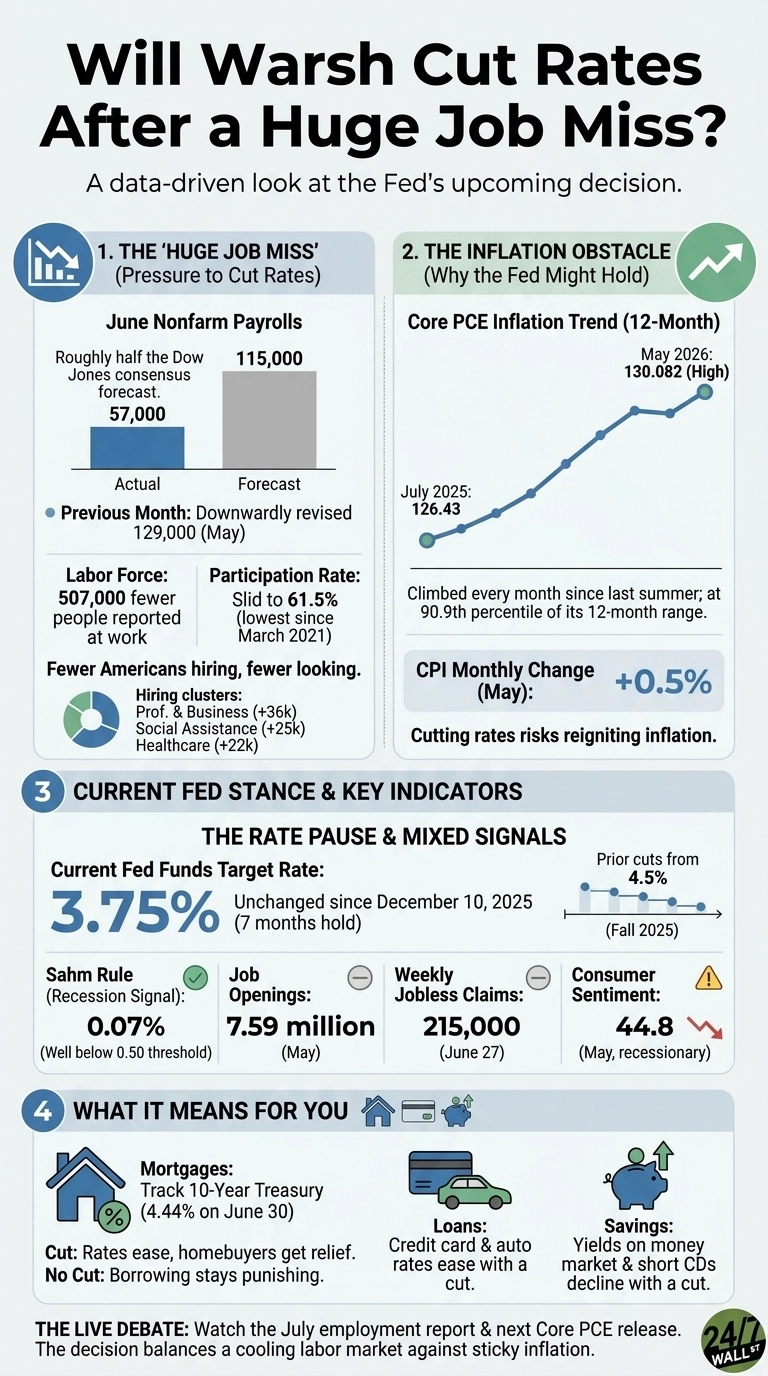
The U.S. Federal Reserve faces a complex decision. On one hand, cutting interest rates could provide a much-needed stimulus to the slowing economy, potentially preventing a recession. On the other hand, premature rate cuts could undermine the Fed’s efforts to maintain price stability and control inflation. The Fed’s current federal-funds rate target range is 5.25% to 5.50%, and projections suggest a gradual reduction to 4.75%-5.00% by the end of 2024, with further cuts expected in subsequent years.
Expert Opinions and Market Reactions
Economists are divided on the issue. Some argue that the Fed should act preemptively to support the economy, while others caution against hasty decisions that could destabilize financial markets. The market anticipates a Fed rate cut in September 2024, with over 90% probability. This expectation is based on declining inflation and slowing economic growth, similar to the conditions that prompted the Bank of Canada’s rate cuts.
Potential Risks and Benefits
Cutting interest rates could have several benefits, including lower borrowing costs for consumers and businesses, increased spending, and higher investment. However, there are also risks. Lower rates could lead to excessive borrowing and asset bubbles, particularly in the housing market. Additionally, a divergence in monetary policy between the U.S. and Canada could affect currency valuations, with the Canadian dollar potentially weakening against the U.S. dollar.
Broader Economic Trends
Global economic conditions also play a crucial role in this decision. The global economy is projected to grow at an annual rate of about 3% through 2026. Lower borrowing costs in Canada could foster stronger exports and business investment, indirectly benefiting the U.S. economy through trade and investment linkages. However, geopolitical developments and high shelter costs could exert upward pressure on inflation, complicating the Fed’s decision-making process.
Conclusion
In conclusion, the U.S. Federal Reserve should carefully consider the potential implications of following Canada’s lead in cutting interest rates. While there are compelling arguments for providing economic stimulus to prevent a recession, the Fed must also weigh the risks of undermining its inflation control efforts and destabilizing financial markets. A balanced approach, with gradual rate cuts aligned with economic indicators, may be the most prudent course of action. As the Fed’s next meeting approaches, policymakers will need to closely monitor economic data and global trends to make informed decisions that support sustainable economic growth and stability.
Forward-Looking Statement
Looking ahead, the Fed’s actions will be closely watched by markets and policymakers worldwide. The interplay between U.S. and Canadian monetary policies will continue to influence currency valuations, trade dynamics, and economic forecasts. As both central banks navigate the challenges of balancing growth and inflation, their decisions will have far-reaching implications for the global economy. The Fed’s cautious approach, informed by data and expert insights, will be crucial in steering the U.S. economy through these uncertain times.