MarketLens
The Immediate Catalyst: Navigating Surging Fuel Prices with E15

Key Takeaways
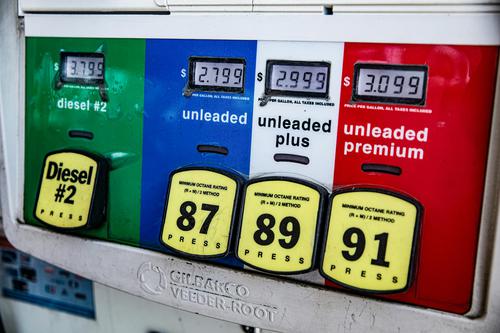
- The EPA's temporary E15 waiver aims to blunt surging gasoline prices, currently near $3.98 per gallon, by allowing a cheaper ethanol blend, but its long-term impact on consumer savings and market dynamics remains uncertain.
- Ethanol producers like REX American Resources stand to gain from increased E15 demand, while refiners express caution over potential supply chain disruptions, highlighting a split in "smart money" sentiment.
- Despite short-term fuel price relief, the underlying geopolitical risks and structural challenges for E15 adoption suggest this waiver is a tactical political fix rather than a strategic shift, posing minimal long-term threat to EV adoption.
The Immediate Catalyst: Navigating Surging Fuel Prices with E15
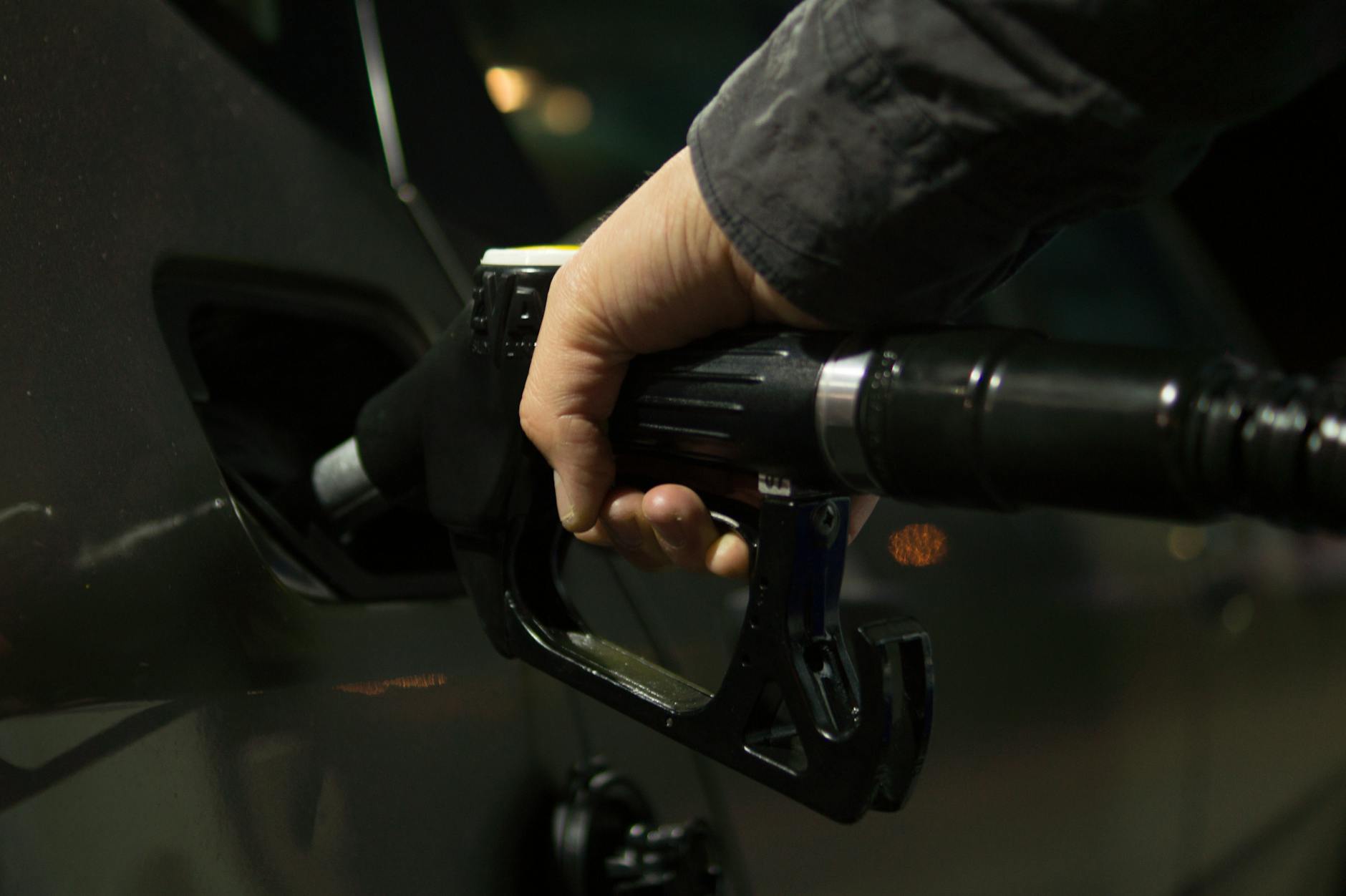
The energy market is once again grappling with geopolitical instability, as the ongoing conflict in Iran has sent crude oil prices soaring and, consequently, pushed U.S. gasoline prices to their highest levels since 2022. With pump prices surging more than 30% this month to nearly $4 per gallon, the Trump administration, through the Environmental Protection Agency (EPA), has stepped in with a familiar tactical maneuver: a temporary waiver allowing the year-round sale of E15 gasoline. This blend, containing 15% ethanol, is typically restricted in about half the U.S. during summer months due to regulations aimed at reducing air pollution from higher volatility fuels.
This emergency fuel waiver, effective from May 1 through May 20, 2026, with potential for extension, is a direct response to the massive oil supply disruptions caused by the Middle East conflict. The goal is clear: provide immediate relief at the pump by introducing a cheaper fuel option. Ethanol, the key component in E15, is currently selling at a significant 31% discount to gasoline at the wholesale level, offering a compelling economic incentive to increase its use. Proponents suggest this could translate to savings of up to $0.30 per gallon for consumers, a meaningful buffer against the current crude shock.
However, this isn't a novel solution. The EPA has issued similar emergency waivers every year since 2022, underscoring the persistent challenges in securing a permanent legislative fix for year-round E15 sales. While the immediate intent is to stabilize the fuel supply and ease consumer pain, the temporary nature and the historical context of these waivers suggest a political fix rather than a fundamental shift in energy policy. The market's reaction will hinge on the scope and duration of this waiver, and whether it can truly insulate American drivers from the broader geopolitical forces at play.
What Does the E15 Waiver Mean for Fuel Prices and the Energy Market?
The EPA's E15 waiver is designed to offer immediate, albeit temporary, relief at the gas pump, directly addressing the pain points of consumers facing gasoline prices near $3.98 per gallon. By allowing more of the cheaper, American-made ethanol to be blended into the fuel supply, the administration aims to lower the average cost of gasoline. The Renewable Fuels Association (RFA) highlights that ethanol's 31% wholesale discount to gasoline could translate into significant savings for drivers, potentially up to $0.30 per gallon. This is a direct supply-side intervention intended to soften the blow of escalating crude costs driven by the Iran war.
However, the efficacy of this waiver is subject to several factors. Historically, E15 has struggled with widespread adoption, being available at only about 3,000 of the 145,000 gas stations nationwide, primarily in corn-belt states. Consumers often express wariness, and gas stations face infrastructure costs for new dispensers and labeling requirements. Furthermore, while ethanol is cheaper by volume, it contains about 50% less energy per gallon than gasoline, meaning cars running on E15 typically get 1% to 2% fewer miles per gallon than those on E10. After adjusting for energy content, ethanol can actually be more expensive than gasoline, dampening the real-world savings for drivers.
The broader energy market's reaction is mixed. While the waiver aims to increase fuel supply, the underlying crude price cycle remains dictated by Middle East supply dynamics. Gasoline RBOB futures are currently trading at $2.89, up 0.35% today, reflecting ongoing volatility. The waiver might temper pump prices, but it doesn't fundamentally alter the direction of crude oil trends. This policy is a tactical tool for managing fallout, not a strategic reset of the energy landscape. Its success in providing sustained relief will depend heavily on the duration of the waiver and the evolution of geopolitical tensions.
How Will Ethanol Producers and Refiners Be Affected?
The E15 waiver creates a clear divergence in fortunes for different segments of the energy industry, particularly between ethanol producers and traditional refiners. For pure-play ethanol companies, this waiver is a significant bullish signal. Increased demand for E15 directly translates to higher sales volumes for ethanol, potentially leading to margin expansion. REX American Resources (REX), a direct beneficiary of any E15 expansion, has seen its shares hit fresh highs, reflecting institutional accumulation betting on this oil-price-driven ethanol narrative. The market is clearly pricing in the potential for higher demand ahead of its crucial Q4 earnings report on March 26, 2026.
On the flip side, refiners, represented by groups like the American Fuel & Petrochemical Manufacturers (AFPM), are sounding alarms. They fear a repeat of last year's "11th hour emergency RVP waivers," which caused significant supply chain chaos and stranded investments in lower-RVP gasoline. An abrupt, temporary waiver can disrupt their carefully planned production cycles, forcing them to reconfigure gasoline blends and potentially incur losses. While the waiver aims to stabilize supply chains by offering more fuel options, refiners prioritize predictability and a permanent legislative solution over ad-hoc emergency measures.
The "smart money" signals are split. While REX soars on ethanol demand bets, insiders like Bert Frost, Chief Commercial Officer at CF Industries, recently sold 6,000 shares of common stock at $126. This move, while not a complete divestment, suggests a degree of caution regarding the volatility and potential regulatory whipsaw associated with emergency fuel policy changes. The debate also extends to policy counter-signals, such as the House Rural Domestic Energy Council considering raising the cap on biofuel exemption credits from 450 million to 550 million, which could dampen ethanol's price advantage by reducing demand for Renewable Identification Numbers (RINs).
Is This a Threat or Opportunity for Electric Vehicles (EVs)?
The EPA's E15 waiver, while aimed at providing immediate relief at the pump, presents a nuanced picture for the electric vehicle (EV) market. In the short term, the availability of cheaper gasoline, even if marginally so, could slightly reduce the urgency for some consumers to switch to EVs. When gasoline prices are lower, the economic incentive to absorb the higher upfront cost of an EV diminishes. This tactical policy response is designed to alleviate consumer pain from internal combustion engine (ICE) vehicle ownership, potentially slowing the pace of EV adoption on the margins.
However, this is unlikely to be a significant long-term threat to the broader EV transition. The E15 waiver is a temporary measure, a political fix to a geopolitical problem, rather than a structural change in the energy landscape. The underlying drivers for EV adoption – environmental concerns, technological advancements, and long-term cost savings (especially with volatile fossil fuel prices) – remain intact. Furthermore, the waiver highlights the inherent volatility and geopolitical risks associated with fossil fuels, a narrative that ultimately strengthens the bull case for energy independence through electrification.
Looking at the EV market, major players like Tesla (TSLA), trading at $385.95, and NIO (NIO), at $5.78, are driven by far larger macro trends than a temporary E15 waiver. While Rivian (RIVN) saw a 2.98% dip today to $15.62, and Lucid (LCID) gained 3.09% to $10.68, their valuations and future prospects are tied to production scaling, battery technology, charging infrastructure, and global demand, not the marginal price fluctuations of gasoline. The waiver serves as a reminder of the inherent instability of the fossil fuel market, reinforcing the long-term strategic shift towards electric mobility.
What Are the Broader Investor Implications and Key Watchpoints?
For investors, the E15 waiver underscores the ongoing volatility in the energy sector and the complex interplay between geopolitics, policy, and market dynamics. While the immediate focus is on pump prices, the broader implications ripple through various industries. The waiver highlights the government's willingness to intervene in energy markets during crises, creating both opportunities and risks depending on where you're positioned. This environment demands a nuanced approach, distinguishing between temporary fixes and long-term structural trends.
Here are three key watchpoints for investors:
- Waiver Scope and Duration: The current waiver is set for May 1-20, 2026, but its extension is crucial. A narrow, temporary waiver offers limited market impact, primarily benefiting refiners by stabilizing supply chains. A broader, more permanent policy, however, would be a significant bullish signal for ethanol producers like REX American Resources, potentially locking in a structural economic advantage for E15. Investors should monitor EPA announcements closely for any indications of extension or expansion.
- Ethanol Producer Earnings: REX American Resources' Q4 earnings report on March 26, 2026, will be a critical test. The stock has surged on momentum, but the report needs to demonstrate how the company is managing cost pressures while benefiting from higher oil prices and increased E15 demand. Any guidance on ethanol margins and future demand will either validate the current bullish narrative or expose it as speculative.
- Policy Counter-Signals: The debate over biofuel exemption credits, specifically the House Rural Domestic Energy Council's plan to raise the cap from 450 million to 550 million credits, could significantly impact ethanol's price advantage. Such a move would reduce the demand for RINs, potentially dampening the economic incentive for refiners to blend more ethanol. This policy tug-of-war between the ethanol lobby and refiners will continue to shape the investment landscape.
The E15 waiver is a short-term political response to a pressing economic issue, not a fundamental shift in the energy paradigm. Investors should view it as a tactical play within a larger, more complex energy transition. The long-term trajectory for EVs remains robust, driven by innovation and a desire for energy independence, while the fossil fuel market will continue to be influenced by geopolitical events and policy interventions.
Want deeper research on any stock? Try Kavout Pro for AI-powered analysis, smart signals, and more. Already a member? Add credits to run more research.
Related Articles
Are Surging Oil Prices Grounding Airline Stocks
Category
You may also like


SMX Leads the Material Efficiency Revolution as Oil and Gas Volatility Drives Up the Cost of Everyday Goods

How the Iran War Could Affect Your Summer Airfare: What You Need to Know and When to Book

The Schwab U.S. Dividend Equity ETF Has Surged 15% to Start 2026. Here's the Secret Fuel Source Driving the Rally.
Breaking News
View All →Featured Articles
Top Headlines

Top 25 High-Yield Dividend Stocks For April 2026

High-Yield And Tax-Advantaged Income Funds From NEOS (April Update)

TSMC vs. Nvidia: Which AI Supercycle Growth Stock Is the Better Long-Term Buy?

Ca$htag$: Can WMT Win Retail War Against AMZN & TGT?