Background and Context
Volkswagen’s Strategic Shift
Volkswagen, one of the world’s largest automakers, has been aggressively pursuing a transition to electric vehicles. The company has committed to investing billions in EV technology, aiming to become a leader in the market. However, Volkswagen has faced challenges, particularly in software integration for its EVs. The partnership with Rivian represents a strategic shift, leveraging Rivian’s expertise to overcome these hurdles.
Rivian’s Position in the Market
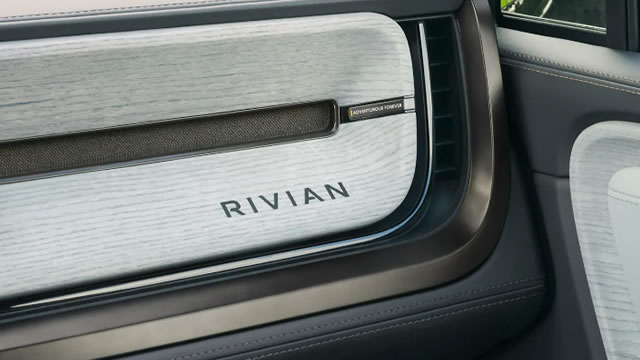
Rivian, an American EV startup, has garnered significant attention for its innovative electric pickup and SUV models. Despite its promising technology, Rivian has struggled with financial stability, facing pressure from Wall Street due to cash burn and significant losses. In 2024, Rivian’s stock had plummeted by approximately 49%, highlighting the company’s need for substantial capital infusion. Volkswagen’s investment provides a lifeline, enabling Rivian to ramp up production and expand its market presence.
Details of the Investment
Financial Breakdown
Volkswagen’s $5 billion investment in Rivian is structured in two phases. The initial $1 billion investment has already been made, causing Rivian’s shares to surge by over 50% during after-hours trading. The remaining $4 billion will be invested over the next couple of years, contingent on the establishment of a joint venture between the two companies. This phased approach ensures a gradual infusion of capital, allowing both companies to align their strategic goals.
Joint Venture Objectives
The joint venture aims to develop next-generation electrical architecture and software technology for EVs. This collaboration will leverage Rivian’s existing electrical architecture and software platform, accelerating the development of innovative solutions. The partnership is expected to lower costs per vehicle by increasing scale and speeding up innovation globally. Both companies plan to launch vehicles featuring technology created by the joint venture in the second half of the decade.
Implications for Rivian
Financial Stability and Growth
Volkswagen’s investment provides Rivian with much-needed capital to stabilize its finances and support its growth ambitions. The $5 billion infusion will enable Rivian to ramp up production and deliveries of its electric pickup and SUV models. This financial stability is crucial for Rivian to compete in the increasingly crowded EV market and meet the growing demand for electric vehicles.
Technological Advancements
The joint venture with Volkswagen will allow Rivian to enhance its technological capabilities. By collaborating with one of the world’s largest automakers, Rivian can leverage Volkswagen’s resources and scale to accelerate the development of its software and electrical architecture. This partnership will enable Rivian to bring its technology to a broader market, positioning the company as a key player in the EV industry.
Implications for Volkswagen
Access to Rivian’s Technology
Volkswagen’s investment in Rivian provides the German automaker with access to Rivian’s cutting-edge technology. Rivian’s expertise in electrical architecture and software will complement Volkswagen’s existing capabilities, addressing the company’s challenges in software integration. This collaboration will enable Volkswagen to enhance its EV offerings and compete more effectively in the market.
Strategic Positioning
The partnership with Rivian aligns with Volkswagen’s broader strategy to transition to electric vehicles. By investing in a promising EV startup, Volkswagen can diversify its portfolio and reduce its reliance on traditional internal combustion engine vehicles. This strategic positioning will help Volkswagen navigate the evolving automotive landscape and capitalize on the growing demand for electric vehicles.
Broader Industry Impact
Acceleration of EV Adoption
The collaboration between Volkswagen and Rivian is expected to accelerate the adoption of electric vehicles. By combining their resources and expertise, the two companies can develop innovative solutions that address key challenges in the EV market, such as range anxiety, charging infrastructure, and software integration. This partnership will likely lead to the production of more advanced and affordable electric vehicles, making EVs more accessible to a broader audience.
Competitive Dynamics
Volkswagen’s investment in Rivian will likely intensify competition in the EV market. Other automakers may be prompted to form similar partnerships or increase their investments in EV technology to stay competitive. This increased competition could drive further innovation and advancements in the industry, benefiting consumers and accelerating the transition to electric vehicles.
Challenges and Risks
Integration Challenges
While the partnership between Volkswagen and Rivian holds significant promise, it also presents integration challenges. Combining the resources and capabilities of two distinct companies requires careful coordination and alignment of strategic goals. Any misalignment or delays in the joint venture could hinder the development of new technologies and impact the overall success of the partnership.
Market Uncertainties
The EV market is still evolving, with uncertainties surrounding consumer adoption, regulatory policies, and technological advancements. While the partnership between Volkswagen and Rivian aims to address some of these challenges, there are inherent risks associated with investing in a rapidly changing industry. Both companies will need to navigate these uncertainties and adapt their strategies to stay competitive.
Conclusion
Volkswagen’s $5 billion investment in Rivian represents a significant milestone in the EV market. This strategic partnership aims to develop next-generation electrical architecture and software technology, addressing critical challenges faced by both companies. The investment provides Rivian with much-needed capital to stabilize its finances and support its growth ambitions, while giving Volkswagen access to Rivian’s cutting-edge technology. The collaboration is expected to accelerate the adoption of electric vehicles, intensify competition, and drive further innovation in the industry. However, the partnership also presents integration challenges and market uncertainties that both companies will need to navigate. Overall, Volkswagen’s investment in Rivian has the potential to reshape the EV market and position both companies as key players in the evolving automotive landscape.