MarketLens

Log in

What Does PacifiCorp's $575 Million Settlement Mean for Berkshire Hathaway's Q4 2025 Earnings

2 hours ago
SHARE THIS ON:

What Does PacifiCorp's $575 Million Settlement Mean for Berkshire Hathaway's Q4 2025 Earnings

Key Takeaways

  • PacifiCorp's $575 million settlement with the U.S. government for wildfire claims adds another significant financial hit to Berkshire Hathaway Energy's utility division, impacting Q4 2025 earnings.
  • The ongoing wildfire liabilities, now totaling over $2.2 billion in direct payouts and a $2.85 billion reserve, are straining PacifiCorp's liquidity and threatening its investment-grade credit rating.
  • Berkshire Hathaway is actively pursuing legislative reforms in Western states to cap utility wildfire liability, a strategic pivot to protect its regulated assets and maintain long-term capital deployment.

What Does PacifiCorp's $575 Million Settlement Mean for Berkshire Hathaway's Q4 2025 Earnings?

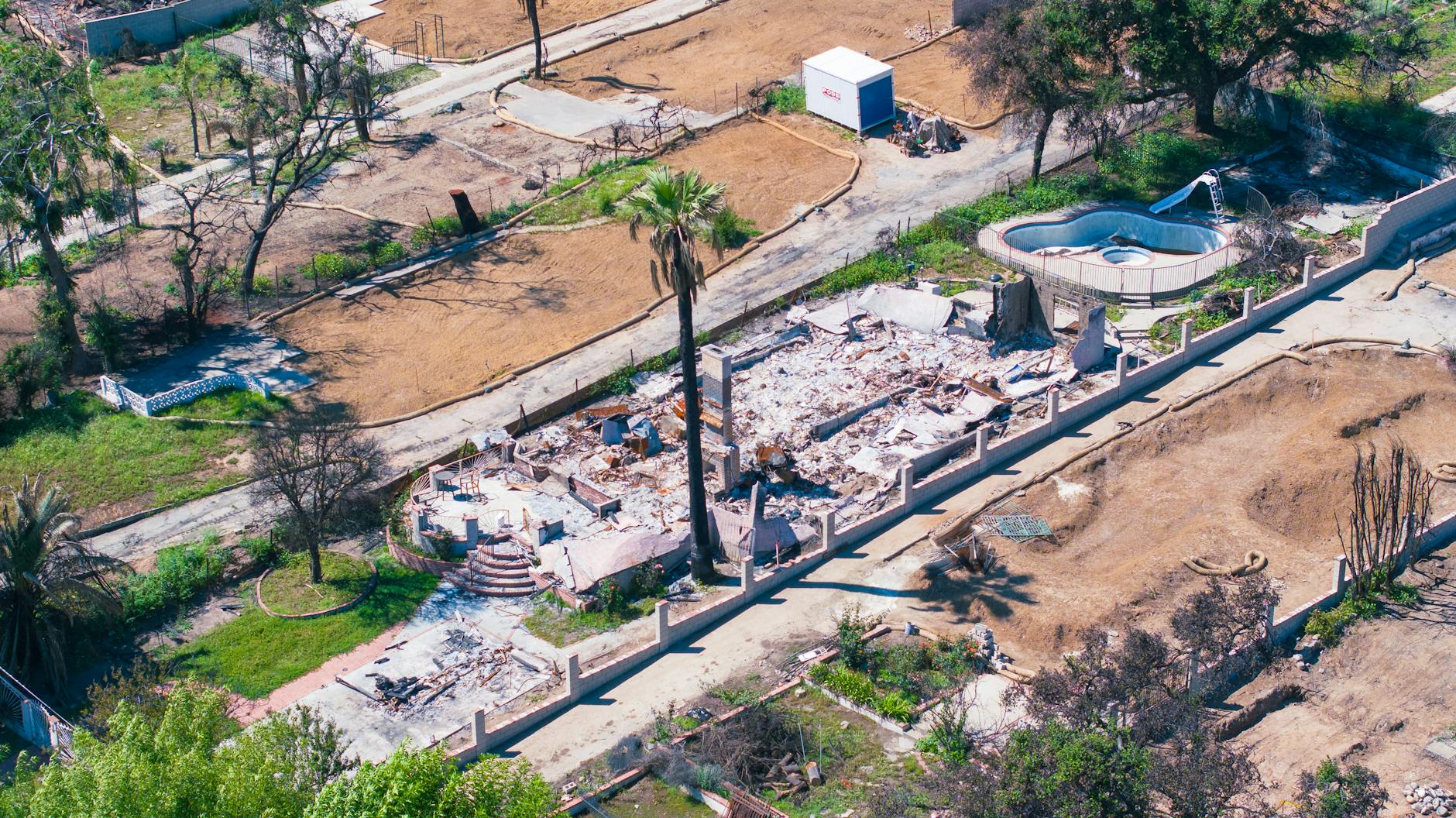
PacifiCorp's recent agreement to pay $575 million to the U.S. government to resolve claims related to six wildfires in Oregon and California will undoubtedly weigh on Berkshire Hathaway's (BRK.A/B) Q4 2025 earnings. This settlement, announced on February 20, 2026, addresses claims that PacifiCorp's electrical lines negligently started fires that burned nearly 290,000 acres of federal land. While Berkshire Hathaway Energy (BHE) is a robust segment, these substantial, recurring liabilities are becoming a material drag on its profitability and capital allocation.

This $575 million payment is not an isolated incident; it's the latest in a series of significant payouts. PacifiCorp has already settled claims with approximately 2,700 plaintiffs for around $1.5 billion, including a $125 million settlement with 93 Oregon wineries and vineyards. The utility had previously set aside $2.85 billion for litigation over the 2020 fires alone, which destroyed over 2,000 structures and 500,000 acres. Each new settlement chips away at this reserve and impacts BHE's reported earnings, which were around $4.3 billion annually.

The immediate impact on Q4 2025 earnings will likely be a direct charge against the existing $2.85 billion reserve, reducing its remaining balance. While Berkshire Hathaway boasts a massive cash hoard of $350-$380 billion, the ongoing nature of these liabilities at the subsidiary level creates a persistent drain. Warren Buffett himself acknowledged "some mistakes" in not better shielding PacifiCorp from wildfire liability, underscoring the seriousness of the situation for the conglomerate. This isn't just an accounting entry; it's real capital being diverted from growth opportunities.

Moreover, the settlement comes amidst warnings from PacifiCorp in November 2025 about strained liquidity and the potential loss of its investment-grade status due to an accelerated pace of "mini-trials." S&P Global Ratings already downgraded PacifiCorp to BBB-, just one rung above junk. This escalating financial pressure means that while Berkshire can absorb the cost, the utility itself faces higher borrowing costs and reduced financial flexibility, which could complicate its ability to fund necessary infrastructure upgrades and mitigation efforts.

How Do Wildfire Liabilities Threaten PacifiCorp's Financial Stability and Credit Rating?

PacifiCorp's financial stability is under severe pressure, with mounting wildfire liabilities threatening its investment-grade credit rating and operational capacity. The utility has already paid out close to $1.7 billion in settlements, and the recent $575 million payment to the U.S. government pushes that total even higher. These payouts are directly eroding its cash flow and forcing the company to post substantial bonds to appeal adverse judgments, such as the $479 million posted for 91 wildfire victims so far.

The core issue is the sheer scale of the claims. PacifiCorp faced $52 billion of claims in the James litigation, where 109 plaintiffs were awarded $589 million in a series of mini-trials. While the utility calls the chance of a giant overall payout "remote," the accelerated trial schedule set by the court means payouts could come faster than anticipated. This ongoing legal battle diverts significant capital and management attention, creating a "multi-year, cash-consuming process" that strains the utility's resources.

Credit rating agencies have taken notice. S&P Global Ratings downgraded PacifiCorp to BBB- in November 2025, placing it just above junk status, and warned of further downgrades. Moody's has also downgraded the utility's bonds. A drop below investment grade would make future debt financing prohibitively expensive, directly threatening PacifiCorp's ability to fund essential operations and mitigation efforts. This increased cost of capital would ultimately be borne by ratepayers or, more likely, by Berkshire Hathaway itself through capital infusions.

The company's own warning of a potential "liquidity crisis" highlights the gravity of the situation. If payouts continue at the current level, PacifiCorp might need to put up approximately $9 billion to appeal judgments tied to 1,700 victims through 2028. While it has over $13 billion in secured bonds, only about $1.4 billion of that matures in the next five years, indicating a potential mismatch between short-term liabilities and available liquidity. This scenario could force Berkshire Hathaway to inject capital, representing a direct transfer of value from its cash-rich portfolio to a troubled subsidiary.

What Strategic Shifts is Berkshire Hathaway Making to Mitigate Future Wildfire Risk?

Berkshire Hathaway is implementing significant strategic shifts to mitigate future wildfire risks, moving beyond reactive settlements to proactive legislative and operational changes. Greg Abel, Berkshire Hathaway's Vice Chairman and designated successor to Warren Buffett, has announced a pivot in utility operations from simply "keeping the lights on" to de-energizing assets when wildfire threats become excessive. This reflects a growing recognition that wildfire liability can devastate business models, prompting a more conservative and safety-first approach.

A key part of this strategy is an aggressive legislative push in PacifiCorp's operating states to limit utility liability. Berkshire Hathaway Energy executives have outlined plans to pursue "legislative and regulatory reform across the PacifiCorp states," aiming for policies similar to Utah's "gold standard." Utah passed a law in 2024 establishing a ratepayer-financed fund for wildfire claims and, building on 2020 legislation, limits utility liability if it adheres to a state-filed wildfire mitigation plan. This means even if a utility causes a fire, its liability is capped if it complies with its plan.

This legislative blitz has surprised consumer advocates and even other industries, with Berkshire Hathaway pushing for similar laws in Wyoming, Oregon, and Idaho. Wyoming has already enacted liability limits, and Idaho lawmakers are reconsidering a similar proposal. The goal is to create supplemental insurance funds and limit liability to mitigate exposure to existing and future wildfire risk, potentially even serving as a model for "federal solutions." This coordinated effort aims to reshape how society pays for wildfires, shifting some of the burden away from utilities.

Beyond legislative efforts, PacifiCorp is deploying billions into fire-hardening measures, grid upgrades, and vegetation management. These investments, while costly, are crucial for reducing future risk and supporting future rate cases. The company's capital plan for the energy group has already increased from $32.2 billion to about $34 billion, with annual capital spending around $11 billion. This proactive investment in infrastructure is designed to strengthen its position with regulators and customers, ensuring the long-term viability of its regulated asset base, even as it navigates the current legal challenges.

Is Berkshire Hathaway Energy's "Moat" Under Pressure from Wildfire Liabilities?

Berkshire Hathaway Energy (BHE) has long been considered a crown jewel within the conglomerate, valued for its stable, regulated earnings and ability to absorb capital at scale. This "moat" — a durable competitive advantage — is built on its protected position as an essential service provider, delivering electricity to over 2 million customers across six Western states. However, the escalating wildfire liabilities are undeniably testing the durability of this moat, raising questions about its long-term compounding power.

The core of a utility's value lies in its license to operate, predicated on safety and reliability. When a utility is accused of causing catastrophic fires, that license is called into question, not just by courts but by regulators and the public. PacifiCorp's own statement to the court, "The wildfire lawsuits threaten PacifiCorp's ability to provide safe and reliable power to its over 2 million customers," underscores this critical vulnerability. The liability risk now acts as a powerful, costly friction on that moat, diverting capital from growth and compounding.

The financial toll is significant. The $2.85 billion reserve for litigation, coupled with over $2.2 billion in direct settlements, represents a substantial portion of capital that would otherwise be reinvested or returned to shareholders. BHE's reported earnings are around $4.3 billion annually, and while the parent company has a $350-380 billion liquidity cushion, these ongoing charges at the subsidiary level are not insignificant. This drain on cash flow directly impacts Berkshire Hathaway's capital allocation strategy, potentially reducing the funds available for other high-return opportunities.

Furthermore, the pressure to invest heavily in wildfire mitigation – infrastructure upgrades, vegetation management, and compliance – translates into higher operational costs. These are capital expenditures that eat into the cash flow that would otherwise compound for Berkshire. While these investments are necessary to maintain safety and defend operations, they reduce the efficiency of capital deployment. The market is pricing PacifiCorp as if it could repeat the worst outcomes seen elsewhere, suggesting that the conglomerate discount already reflects some of this perceived erosion of the energy platform's competitive advantage.

What are the Investor Implications for Berkshire Hathaway (BRK.A/B)?

For Berkshire Hathaway investors, the PacifiCorp wildfire liabilities present a complex picture, adding a layer of risk to an otherwise stable conglomerate. While the direct financial impact is substantial at the subsidiary level, it remains manageable relative to Berkshire's immense corporate liquidity and recurring operating earnings of about $35 billion. The key is to understand how these liabilities influence capital allocation, future growth, and the conglomerate's intrinsic value.

One major implication is the potential for capital infusions from Berkshire Hathaway to support PacifiCorp. The utility's warning of a liquidity crisis and the accelerated trial schedule create a scenario where the parent company may need to step in to prevent operational disruption. Such a move, while within Berkshire's capacity, would represent a direct transfer of value from its cash-rich portfolio to a troubled subsidiary, impacting the conglomerate's overall capital deployment strategy. Investors should monitor for any announcements regarding direct financial support.

Another factor is the long-term growth thesis for Berkshire Hathaway Energy. Greg Abel, who stepped into the CEO role at Berkshire Hathaway in January 2026, has a track record of comfort with complex, capital-intensive businesses. BHE is one of the most important assets because it can absorb capital at scale and earn regulated returns for decades. However, the wildfire liabilities complicate this growth thesis, potentially consuming more capital than expected and diverting funds from other high-return projects within the energy platform.

Finally, the situation highlights broader risks for Berkshire. While wildfire liabilities appear numerically containable, a sustained string of large adverse judgments could pressure the conglomerate's book value and sentiment. Investors should also consider deployment risk for Berkshire's massive cash hoard; if capital is increasingly tied up in managing existing liabilities rather than pursuing new attractive projects, overall returns could suffer. The market is already pricing some of this risk into the conglomerate discount, making it crucial for investors to assess whether the current valuation adequately reflects these ongoing challenges.

The PacifiCorp wildfire liabilities are a serious, ongoing challenge for Berkshire Hathaway, but one that the conglomerate is actively managing through legislative action and operational changes. While the financial strain is undeniable, Berkshire's immense resources and strategic shifts aim to contain the damage and protect the long-term value of its energy assets. Investors should continue to monitor legal developments, credit rating actions, and Berkshire's capital allocation decisions for further clarity on the intrinsic value impact.


Want deeper research on any stock? Try Kavout Pro for AI-powered analysis, smart signals, and more. Already a member? Add credits to run more research.

SHARE THIS ON:

Related Articles

Category

You may also like

No related articles available

Breaking News

View All →

No topics available at the moment