MarketLens
What Does the Vaisala Xweather Report Reveal About EV Range in 2026

Key Takeaways
- The Vaisala Xweather 2026 EV Range Report highlights significant real-world range variability due to weather, with performance swings up to 77% between optimal and extreme conditions.
- Despite advancements, public charging reliability remains a concern, with 14% of attempts failing, underscoring the need for robust, weather-proof infrastructure investment.
- Next-generation battery technologies and advanced thermal management systems are crucial investment areas, promising to mitigate weather impacts and enhance EV adoption in diverse climates.
What Does the Vaisala Xweather Report Reveal About EV Range in 2026?
The Vaisala Xweather 2026 EV Range Report, based on an analysis of over 14 billion data points from March 2024 to February 2025, unequivocally demonstrates that real-world electric vehicle (EV) range is far from static. It's a dynamic metric heavily influenced by a complex interplay of weather and road conditions. This isn't just about cold weather; the report provides a granular view of how factors like temperature, air density, wind, and road surface conditions directly impact an EV's practical driving distance.
Consider the extremes: the best range performance was recorded on August 4, 2024, in New Mexico, where warm weather, minimal wind, and the state's average 4,700-foot elevation (leading to lower air density and reduced drag) saw average EV range soar to 18% above the median. Conversely, North Dakota on January 20, 2025, experienced the worst performance, with extreme cold causing the median range to plummet by 59%, representing a staggering 77% drop from New Mexico's peak. This stark contrast highlights the profound geographical and seasonal variability.
The report details how dense cold air and wet or snowy roads consistently reduce EV range across northern states during winter months. For instance, January 2025 saw North Dakota, Minnesota, and Maine hit their lowest points. Even Florida, typically a winter haven for EVs, saw its median range drop below average in January due to the Enzo winter storm, which brought a rare cold snap and increased energy demand. Arkansas experienced a dramatic 40% range drop below the median on January 10, 2025, due to heavy snowfall, which increased rolling resistance by 300%.
Beyond temperature, the report emphasizes that rolling resistance and aerodynamics are significant, often overlooked, factors. Higher altitudes generally offer better conditions due to lower air density reducing drag, as seen in New Mexico, Utah, and Colorado in September 2024. This comprehensive analysis, using an "average EV" baseline of 250 miles, provides critical insights for both consumers and investors into the true operational envelope of electric vehicles.
How Do Weather and Geography Reshape the EV Investment Landscape?
The Vaisala Xweather report's findings are more than just interesting statistics; they fundamentally reshape the investment thesis for the electric vehicle ecosystem. The pronounced geographical variations in EV performance mean that a one-size-fits-all approach to EV adoption and infrastructure development is deeply flawed. Investors must now consider climate resilience as a core factor, not just a fringe benefit, when evaluating opportunities across the EV value chain.
States like North Dakota, with its historically low EV adoption and extreme winter range degradation, present a dual challenge and opportunity. While current adoption is low, the need for robust, cold-weather-optimized EVs and charging solutions is paramount. This points to investment opportunities in companies developing advanced battery thermal management systems, more efficient heat pumps, and specialized charging infrastructure capable of operating reliably in sub-zero temperatures. The market for such specialized solutions, though niche today, will grow as EV adoption pushes into colder climates.
Conversely, regions with consistently favorable weather, like Florida and the Gulf Coast states (barring extreme events like Hurricane Helene or winter storm Enzo), will likely continue to see higher EV penetration and sustained demand for standard EV models and charging. This suggests continued investment in expanding general charging networks and vehicle sales in these areas. However, even these regions are not immune to weather-related disruptions, highlighting the need for adaptable infrastructure and grid resilience.
The report also underscores the importance of battery technology innovation. Companies at the forefront of developing next-generation batteries, such as solid-state or sodium-ion chemistries, which promise better cold-weather performance and energy density (expected to exceed 400 Watt-hours per kilogram by 2030), stand to gain significantly. These advancements could unlock broader market acceptance by directly addressing the range variability exposed by Vaisala's data, making EVs a more viable option for a wider demographic across diverse climates.
Is Range Anxiety Still a Major Hurdle for EV Adoption in 2026?
Range anxiety, the fear of running out of battery before reaching a destination or charging point, remains a psychological barrier for many potential EV buyers, yet real-world data increasingly suggests it's more perception than reality for most daily driving. The Vaisala Xweather report, while highlighting significant range variability in extreme conditions, also implicitly reinforces that for the majority of driving scenarios, modern EVs are more than capable.
The average new EV sold in the UK, for instance, offers around 280 miles of WLTP range, with many popular models exceeding 300 miles. In the U.S., the average American drives fewer than 40 miles a day, meaning most EVs can easily cover an entire work week on a single charge, especially with the "cheat code" of home charging. UK data shows an even lower average daily journey of just 8.4 miles. This disconnect between perceived need and actual usage is a key factor in diminishing range anxiety post-purchase.
Indeed, data from 2024 showed that breakdowns caused by EVs running out of charge fell to a record low of 1.85%, a sharp decline from 8.26% in 2015. This improvement reflects advancements in battery technology, charging speeds, and infrastructure availability. While the Vaisala report details how cold weather can reduce range by 15-25% and hot weather can also impact efficiency, these are often mitigated by practices like battery pre-conditioning, which warms the battery while still plugged in, preserving range and speeding up charging.
Ultimately, while the Vaisala report provides crucial data on the potential for range reduction under adverse conditions, it doesn't invalidate the overall trend of increasing EV capability. For the average driver, range anxiety is largely overcome through daily experience and the realization that modern EVs, coupled with home charging and better route planning tools, meet their practical needs. The challenge now is to educate consumers and ensure infrastructure keeps pace with these real-world capabilities.
How is Charging Infrastructure Evolving to Meet Demand and Weather Challenges?
The expansion of charging infrastructure is undeniably critical for sustained EV adoption, and the industry is making strides, albeit with persistent challenges, particularly concerning weather resilience. As of December 2025, the U.S. public charging network boasted 236,000 EV charging connectors, with the UK having around 86,000 public charging points. This represents a significant buildout, with public charging more than doubling since 2021.
However, quantity doesn't always equate to quality or reliability, especially when factoring in extreme weather. The J.D. Power 2025 EVX Public Charging Study revealed that satisfaction with public charging is slipping, with a notable 14% of public charging attempts failing—though this is an improvement from 19% the previous year. This "one out of seven" failure rate is a critical planning factor for drivers, particularly in regions prone to severe weather, where a failed charge can have more serious implications.
Cold weather, as highlighted by the Vaisala report, doesn't just cut range; it also slows charging times. Battery chemistry slows down in cold temperatures, and battery management systems limit charge rates to protect the pack. This makes features like battery pre-conditioning—which warms the battery before a DC fast-charge stop—essential. Many newer EVs now automatically precondition when a public charger is selected in the navigation, significantly speeding up charging sessions. For example, a Tesla Model Y test in Sweden showed pre-conditioning sped up charging by about ten minutes.
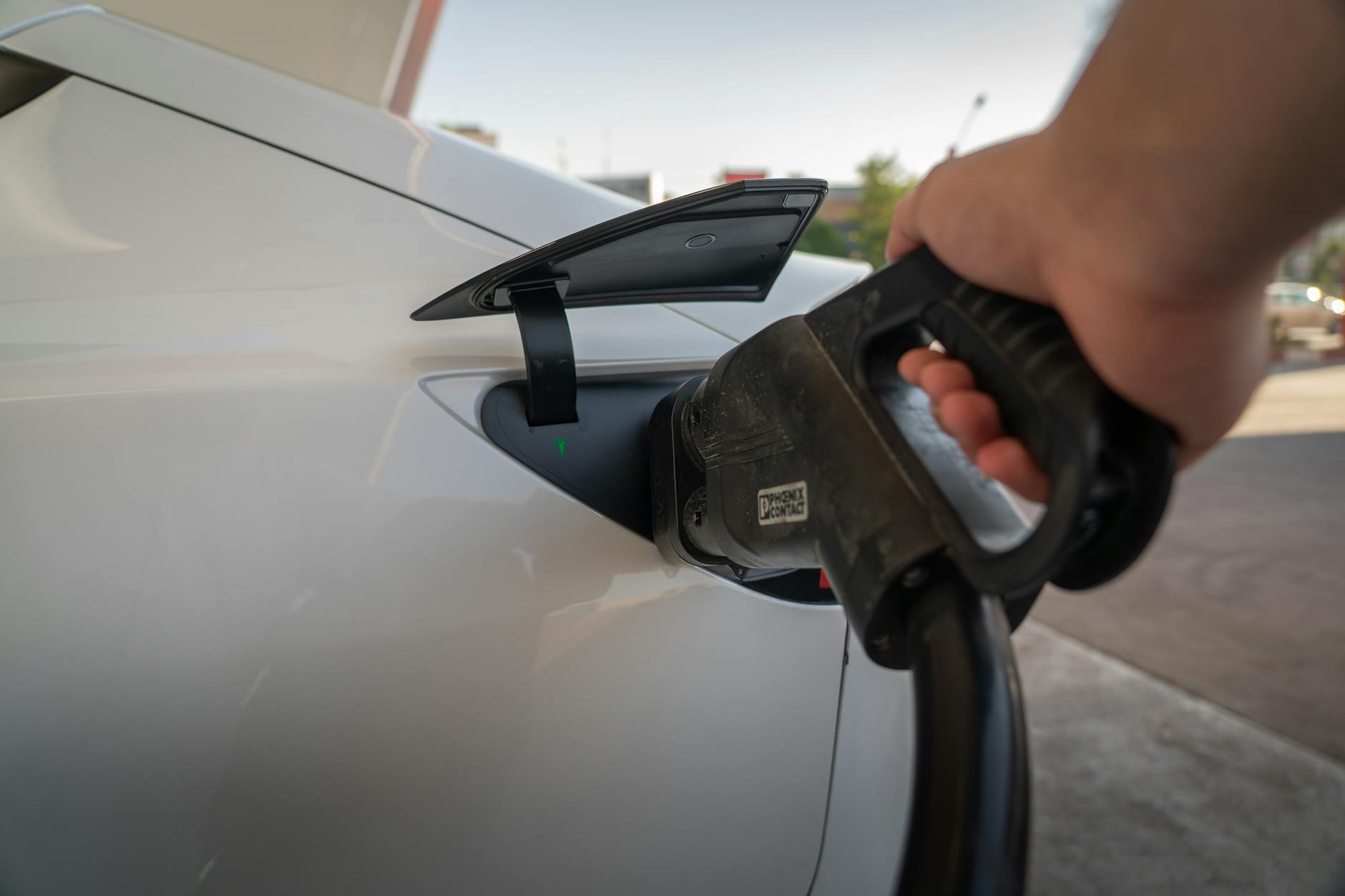
Manufacturers and charging network providers are actively working on weatherization. ABB E-Mobility's fast chargers, for instance, are designed to operate between -22°F and 131°F, and the company has begun adding rain and snow covers as standard options. The ongoing transition to Tesla's North American Charging Standard (NACS) is also a positive development, opening up the reliable Supercharger network to more vehicles. While this won't "solve charging" overnight, it improves access and potentially reliability, though congestion and local maintenance issues will still matter.
What Emerging Technologies Are Driving EV Resilience and Adoption?
The Vaisala Xweather report underscores the urgent need for technological advancements that enhance EV resilience against diverse weather conditions, and the industry is responding with several key innovations. One of the most impactful developments is the widespread adoption of heat pumps in newer EV models. Unlike traditional resistive heating, heat pumps are significantly more efficient in many cold conditions, directly mitigating the range loss associated with cabin heating. While extreme cold still poses challenges, heat pumps represent a substantial improvement in cold-weather efficiency.
Beyond heat pumps, battery technology itself is undergoing a revolution. Next-generation battery chemistries are poised to address many of the current limitations. Solid-state batteries, pioneered by companies like QuantumScape and Solid Power, Inc., promise not only boosted energy densities (exceeding 400 Wh/kg by 2030) and longer lifespans (over 1 million miles) but also dramatically improved safety with no risk of thermal runaway. These advancements are expected to enable a 917-mile range on a single charge and 10-minute charging times from 10-80%, effectively eliminating range anxiety and making EVs competitive with petrol refueling times.
Another promising innovation is the development of sodium-ion batteries, expected for production in 2026. These batteries completely eliminate cobalt and lithium, using abundant sodium instead. Crucially, they offer better performance in cold weather, directly tackling one of the Vaisala report's central concerns. With potential cost savings of 20-30% over current LFP batteries and a lower environmental impact, sodium-ion technology could democratize EV ownership further while enhancing cold-weather reliability.
Furthermore, advancements in artificial intelligence software are being integrated into EV battery management systems. This AI optimizes battery usage for heating and maintains battery health, even incorporating new metals within battery packs for better insulation and heat distribution. These sophisticated thermal management strategies, combined with pre-conditioning capabilities, are making EVs smarter and more adaptable to environmental stressors, ensuring that the vehicle's performance remains consistent across a wider range of real-world conditions.
The Road Ahead: Investment Opportunities and Challenges
The Vaisala Xweather 2026 EV Range Report provides a clear roadmap for where investment and innovation are most needed in the electric vehicle sector. The market is moving beyond early adopters, and mainstream consumers demand predictability and reliability, regardless of the weather or geographical location. This shift creates distinct opportunities for companies that can deliver solutions addressing these real-world challenges.
Investors should look towards firms specializing in advanced battery technologies, particularly those focused on solid-state and sodium-ion chemistries, which promise superior performance in extreme temperatures and faster charging. Similarly, manufacturers integrating sophisticated thermal management systems, efficient heat pumps, and AI-driven battery optimization will likely gain a competitive edge. The infrastructure play remains vital, with a focus on robust, weather-hardened charging stations and smart grid integration to handle increased demand and variability.
While the EV market continues its robust growth trajectory, policy stability and continued investment in grid modernization are crucial. The sector, currently experiencing some volatility (Consumer Cyclical down 0.43% and Technology down 2.81% on March 31, 2026), will benefit from long-term strategic plays in these foundational technologies. The future of EV adoption hinges not just on vehicle performance, but on the entire ecosystem's ability to deliver a seamless, reliable experience in any climate.
Want deeper research on any stock? Try Kavout Pro for AI-powered analysis, smart signals, and more. Already a member? Add credits to run more research.
Related Articles
Category
You may also like


Can Rivian Disrupt the Market and Reward Investors in 2026?

JetBlue CEO: 2026 is going to be JetBlue's year

Will Mortgage Rates Finally Fall in 2026? Here’s What the Latest Forecasts Show
Breaking News
View All →Featured Articles
Top Headlines

NVIDIA Up on Marvell Deal: 3 Reasons the $2 Billion Investment Has the AI World Talking

Amazon's satellite business gets another win as it seeks to challenge Musk's Starlink

Centrilogic Achieves Agentic DevOps with Microsoft Azure and GitHub Specialization

NASDAQ 100, Dow Jones 30 and S&P 500 Forecasts – US Indices Attempting to Recover Again