MarketLens

Log in

What Happened in Texas Roadhouse's Q4 2025 Earnings Report

1 hour ago
SHARE THIS ON:

What Happened in Texas Roadhouse's Q4 2025 Earnings Report

Key Takeaways

  • Texas Roadhouse (TXRH) missed Q4 2025 revenue and EPS estimates, primarily due to persistent commodity inflation, particularly high beef prices, and the impact of lapping an extra week in the prior year.
  • Despite the earnings miss, the company demonstrated robust underlying operational strength, including strong comparable sales growth, significant traffic increases, and aggressive unit expansion across its three brands.
  • Management's strategic focus on value, hospitality, and continued expansion, coupled with a dividend increase, signals confidence in long-term growth, even as commodity cost pressures are expected to persist into 2026.

What Happened in Texas Roadhouse's Q4 2025 Earnings Report?

Texas Roadhouse (NASDAQ: TXRH) delivered a mixed bag in its fourth-quarter 2025 earnings report, missing analyst expectations on both the top and bottom lines. The popular casual dining chain reported total revenue of $1.48 billion, falling short of the consensus estimate of $1.49 billion and representing a 3.1% year-over-year increase. This slight miss on revenue was accompanied by a more significant shortfall in profitability, with GAAP earnings per share (EPS) coming in at $1.28, a notable 13.8% below analyst estimates of $1.49.

The market reacted swiftly to the news, with TXRH shares trading down 2.32% to $182.53 on the day of the announcement. The primary culprits behind the earnings miss appear to be persistent commodity inflation, particularly the elevated cost of beef, and the challenge of lapping an additional week in the comparable Q4 2024 period. These factors squeezed restaurant operating margins, which declined to 13.9% in Q4 2025 from 17.0% in the same quarter last year.

Despite these headwinds, the full fiscal year 2025 painted a more robust picture. Texas Roadhouse achieved total revenue of nearly $5.9 billion, marking a solid 9.4% increase over 2024. The company also maintained its impressive streak of comparable sales growth, achieving its sixtieth consecutive quarter of positive comparable sales, excluding the disruptions of 2020. This underlying strength suggests that while the quarterly figures disappointed, the core business continues to perform well in a challenging environment.

Management emphasized their commitment to preserving the company's value proposition and focusing on operational excellence, even as commodity inflation continues to pressure margins. The Q4 results highlight the delicate balancing act casual dining operators face: maintaining affordability for guests while navigating rising input costs. For investors, the key question becomes whether TXRH's growth drivers can outpace these cost pressures in the coming year.

How Are Commodity Costs Impacting TXRH's Margins and Strategy?

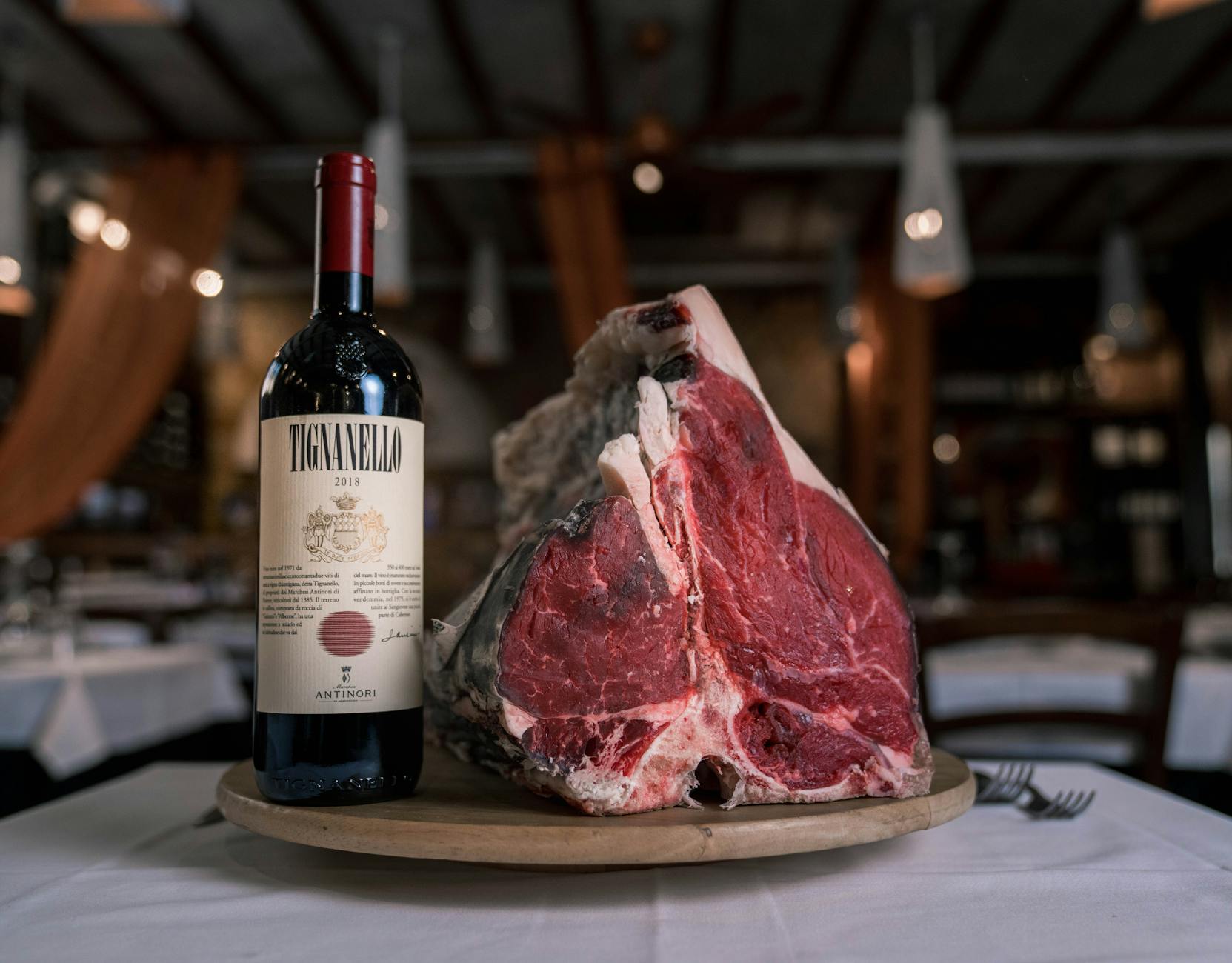
The elephant in the room for Texas Roadhouse's Q4 2025 performance, and indeed its outlook for 2026, is the relentless pressure from commodity inflation, specifically high beef prices. Food and beverage costs as a percentage of restaurant sales jumped to 36.4% in Q4 2025, a significant increase from 33.5% in Q4 2024. This 281 basis point rise directly contributed to the contraction of restaurant margin to 13.9%, down from 17.0% in the prior year.

Management has been transparent about this challenge, forecasting commodity inflation of approximately 7% for the full year 2026. This isn't a new issue; restaurant-level margins had already dipped to 14.3% in Q3 2025 due to an 8% spike in commodity costs. The company's strategy revolves around a multi-pronged approach to mitigate these pressures without compromising its core value proposition. This includes strategic menu pricing adjustments, with a planned increase of approximately 1.9% in early April 2026, and a relentless focus on operational efficiencies.

For instance, the company is expanding the testing of handheld tablets for servers, a technology investment aimed at streamlining order input and enhancing guest experience, which can indirectly improve labor efficiency. While labor costs also saw a slight increase to 33.2% of sales from 33.0% year-over-year, the primary margin erosion stemmed from food costs. The company's ability to navigate this "beef super-cycle" will be critical for its profitability in the near term.

Despite these cost headwinds, CEO Jerry Morgan reiterated the company's commitment to driving top-line growth and providing high-level hospitality and everyday value. The challenge for Texas Roadhouse is to continue attracting traffic with its value-driven menu while carefully passing on some of the increased costs to consumers without alienating its loyal customer base. The successful integration of new CFO Mike Lenehan, who will undergo operations training across brands, underscores the company's focus on maintaining tight operational control amidst these cost pressures.

Is Texas Roadhouse Still Expanding its Footprint and Brands?

Absolutely. Despite the Q4 earnings miss, Texas Roadhouse continues to execute an aggressive and successful expansion strategy across its three primary brands: Texas Roadhouse, Bubba's 33, and Jaggers. This unit growth is a significant driver of the company's overall revenue, which reached nearly $5.9 billion in fiscal year 2025. The company added a total of 48 restaurants to its company-owned base in 2025, including 28 new store openings and the acquisition of 20 franchise restaurants for $108 million.

This focus on converting franchise locations to company-owned stores is a strategic move to capture 100% of the cash flow and gain better operational control. This trend continued into 2026, with the acquisition of five additional California franchise restaurants for approximately $72 million on the first day of the fiscal year. For 2026, management expects approximately 35 new company restaurant openings across the three brands, further solidifying its growth trajectory.

The flagship Texas Roadhouse brand continues to be a powerhouse, with average weekly sales exceeding $166,000 and consolidated average unit volume surpassing $8.4 million. Bubba's 33, the sports-themed concept, is a key "growth engine" with average weekly sales of $122,000, and management is pursuing a "Road to 200" strategy with aims for double-digit openings in 2026. Jaggers, the fast-casual burger and chicken concept, also saw new openings and is the company's foray into the high-growth quick-service segment, averaging nearly $73,000 in weekly sales.

This robust expansion, coupled with consistent comparable sales growth of 4.9% for the full year 2025 (including 2.8% traffic growth), demonstrates that Texas Roadhouse is not just growing its footprint but also successfully attracting more diners. The company's commitment to growth is further underscored by its decision to increase the quarterly cash dividend to $0.75 per share, payable on March 31, 2026, signaling confidence in future cash flow generation.

What Makes Texas Roadhouse Resilient in a Challenging Industry?

Texas Roadhouse's resilience in the face of industry headwinds, particularly persistent cost increases and cautious consumer spending, stems from its unwavering commitment to its core values: "legendary food and legendary service with a focus on high-level hospitality and value." This simple yet powerful mission has allowed TXRH to consistently lead the casual dining segment in traffic growth, a critical differentiator when many competitors struggle to fill seats. Full-year 2025 traffic growth of 2.8% (and 1.9% in Q4) is a testament to this appeal.

The company's "entry-level luxury" experience, offering high-quality steak dinners at an accessible price point, creates a defensive moat during economic uncertainties. While competitors like Darden Restaurants' LongHorn Steakhouse and Bloomin' Brands' Outback Steakhouse vie for market share, Texas Roadhouse's value proposition and lively atmosphere continue to resonate with a broad middle-class demographic. This focus on value, not just price, is crucial in an environment where consumers are increasingly choosy about their dining-out dollars.

Operational excellence is another cornerstone of TXRH's strength. The company's decentralized "servant leadership" model, which empowers restaurant operators and prioritizes employee well-being, contributes to remarkably low turnover in a high-churn industry. This stable workforce, affectionately known as "Roadies," ensures consistent service quality and a positive dining experience, fostering customer loyalty. The company also supports its communities, raising over $40 million for local schools and non-profits in 2025.

Furthermore, TXRH is strategically leveraging technology to enhance efficiency without sacrificing hospitality. The expansion of handheld tablet testing for servers is one example, aiming to streamline operations and free up staff to focus on guest interaction. While G&A dollars are forecast to increase by a low double-digit percentage in 2026, this is partly due to investments in growth and technology, rather than uncontrolled spending. This blend of strong culture, value focus, and operational discipline positions Texas Roadhouse as a consistent performer in a volatile restaurant landscape.

What Does This Mean for TXRH Investors in 2026 and Beyond?

For investors, Texas Roadhouse presents a compelling, albeit nuanced, picture following its Q4 2025 earnings. The stock, currently trading at $182.53, reflects some of the immediate disappointment from the earnings miss, having dipped 2.32% on the news. However, the long-term narrative remains largely intact, supported by the company's consistent growth and operational strengths. Wall Street analysts currently hold a consensus Hold rating on TXRH, with 26 analysts recommending Hold and 17 recommending Buy.

The consensus price target stands at $193.91, with a median of $190.00, suggesting a modest upside from current levels. The high target of $220.00 indicates that some analysts see significant potential if the company successfully navigates its cost pressures. Valuation metrics, such as a P/E ratio of 29.74 and an EV/EBITDA of 18.98, suggest that the stock isn't "cheap" by traditional standards, reflecting its premium status as a consistent performer in the casual dining segment.

Looking ahead to 2026, management has provided a clear outlook: positive comparable restaurant sales growth, 5% to 6% store week growth, and a commodity inflation forecast of approximately 7%. This implies that while cost pressures will persist, the company expects to offset them through a combination of menu pricing and continued traffic-driven growth. The increase in the quarterly dividend to $0.75 per share further signals management's confidence in future cash flow and commitment to shareholder returns.

The key for investors will be to monitor the company's ability to manage its restaurant margins in the face of ongoing commodity inflation, particularly beef. The successful integration of new units, especially the Bubba's 33 and Jaggers concepts, will also be crucial for sustaining top-line growth. While the immediate reaction to the Q4 miss was negative, Texas Roadhouse's proven track record of traffic growth, operational excellence, and strategic expansion positions it well for long-term value creation, making it a "Gold Standard" in casual dining.

Texas Roadhouse remains a compelling story of consistent execution in a challenging industry. While the Q4 miss highlights the ongoing battle against inflation, the company's strategic growth, operational discipline, and commitment to value should continue to drive long-term shareholder value. Investors should watch for margin improvements and continued unit expansion as key indicators of its trajectory in 2026.


Want deeper research on any stock? Try Kavout Pro for AI-powered analysis, smart signals, and more. Already a member? Add credits to run more research.

SHARE THIS ON:

Related Articles

Category

You may also like

No related articles available

Breaking News

View All →

No topics available at the moment