MarketLens
What's Driving the BP Whiting Lockout

Key Takeaways
- BP's lockout of 800 United Steelworkers (USW) members at its Whiting, Indiana refinery signals a high-stakes labor dispute with significant implications for Midwest fuel supply.
- The 440,000 barrel-per-day refinery is critical to regional gasoline and diesel markets, with past disruptions causing price spikes in states like Ohio, Wisconsin, and Michigan.
- While BP aims for long-term sustainability, the lockout risks immediate operational challenges and potential reputational damage, impacting its $115.00 billion market capitalization.
What's Driving the BP Whiting Lockout?
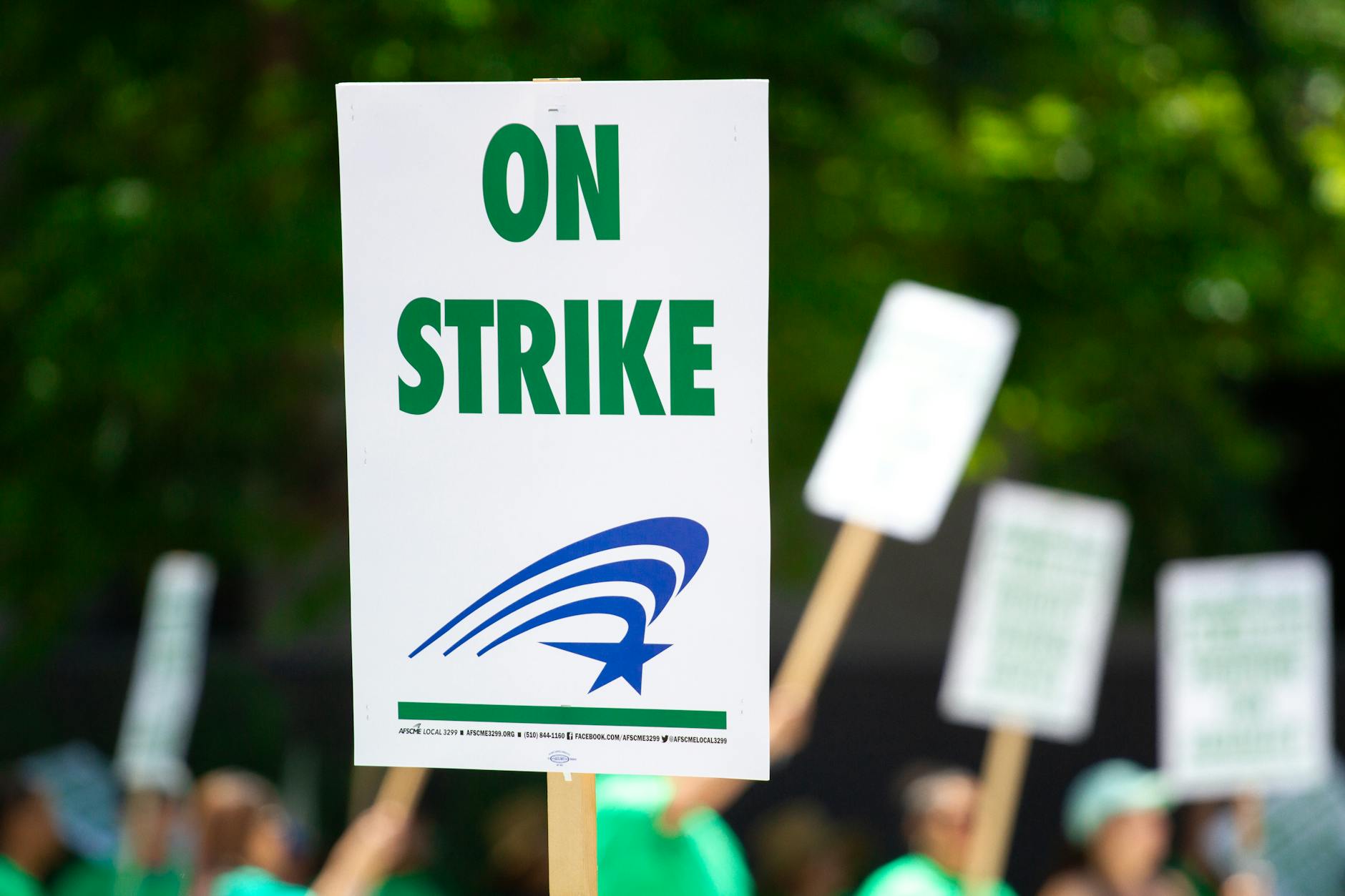
BP has initiated a lockout of approximately 800 United Steelworkers (USW) members at its Whiting, Indiana refinery, effective March 19, 2026, at 12:00 a.m. This move follows months of contentious negotiations that ultimately broke down, with the union overwhelmingly rejecting BP's "last, best, and final" contract offer. The previous three-year collective bargaining agreement had expired on January 31, leading to operations under a series of 24-hour rolling contract renewals, a period BP described as "labor uncertainty."
The core of the dispute centers on BP's proposals for what it deems "essential for the facility’s long-term sustainability." These proposals, however, were seen by the USW as severe concessions. The rejected contract would have led to the elimination of over 100 union jobs, wider use of contract workers, significant wage cuts of $8-$10 per hour, the closure of the environmental department, and attacks on seniority protections. Critically, it also included provisions for implementing AI without job protections and a six-year term that would remove the facility from national pattern bargaining, a move the union feared would set a dangerous precedent for "divide and conquer" tactics.
Union members voiced their strong opposition, with a staggering 98.3% voting against the offer, and an unprecedented 94% participation rate. USW Local 7-1 President Eric Schultz articulated the union's stance, stating, "Our members have heard loud and clear what BP thinks of them... Now, BP has heard loud and clear what we think of their insulting proposal. It’s unacceptable." The union had previously announced its readiness for either a strike or a lockout, emphasizing that the fight was about "dignity, not donuts," and resisting demands for sacrifices while BP makes "billions in profits."
BP, for its part, expressed disappointment but maintained its commitment to bargaining in good faith. The company stated that lifting the lockout would require the union's acceptance of its March 17 proposal, which was a revised offer presented after the initial rejection. BP emphasized the need to regain operational control to ensure a safe and orderly transfer of refinery management, especially given the ongoing possibility of a strike with short notice. This lockout is a clear escalation, forcing the union's hand while BP attempts to assert control over its operational future.
How Critical is the Whiting Refinery to Midwest Fuel Supply?
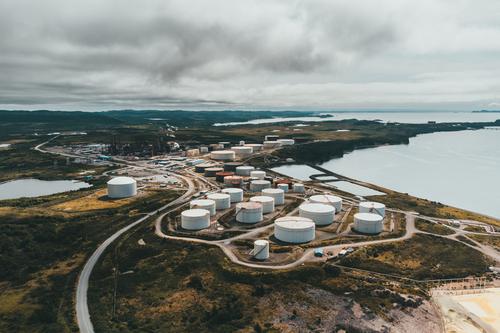
The BP Whiting refinery is not just another facility; it is the largest inland refinery in the United States and a cornerstone of the Midwest's fuel infrastructure. With a massive processing capacity of 440,000 barrels per day, it produces a significant portion of the region's gasoline, diesel fuel, and jet fuel. Any disruption to its operations sends immediate ripples through the supply chain, impacting transportation costs, consumer prices, and the broader logistics landscape across states like Ohio, Wisconsin, and Michigan.
Consider the recent history: in August 2025, a temporary outage at Whiting due to rainstorms and flooding caused pump prices in Ohio, Wisconsin, and Michigan to surge by as much as 27 cents within a week. This regional spike sharply contrasted with the mere 2-cent rise in the nationwide U.S. gasoline price during the same period. Even a partial shutdown or reduced output at Whiting has a disproportionate impact, highlighting its strategic importance and the tightrope walk of the Midwest's fuel supply.
The current lockout, therefore, carries substantial risk for regional fuel stability. The U.S. gasoline and diesel markets are already experiencing rising costs due to global supply disruptions, including those linked to the Middle East war. A prolonged shutdown at Whiting would exacerbate these pressures, potentially leading to significant price increases and supply concerns that extend beyond the immediate Midwest. The refinery's output is simply too large to be easily replaced by other facilities in the region, especially with other refineries, such as Marathon Petroleum's Canton, Ohio plant, undergoing maintenance.
BP has indicated it has trained replacement workers, including current and former employees, to maintain safe and compliant operations during the work stoppage. However, the effectiveness and sustainability of this "emergency team" in operating a complex, high-capacity refinery for an extended period remain a critical unknown. The stakes are undeniably high, not just for BP and its workers, but for millions of consumers and businesses reliant on a steady, affordable fuel supply in a vital economic hub.
What are the Financial Stakes for BP?
For BP, the lockout at its Whiting refinery presents a complex financial calculus, balancing immediate cost-cutting objectives against the potential for significant operational and reputational damage. The company's stock, trading at $43.85 with a market capitalization of $115.00 billion, has seen a +2.21% increase today, but the long-term impact of this dispute remains to be seen. While the proposed contract aimed to reduce labor costs through wage cuts and job eliminations, the costs of a prolonged work stoppage could easily dwarf these savings.
A key concern for investors is the direct hit to revenue from fuel sales if the refinery's output is significantly curtailed. The Whiting refinery's 440,000 barrel-per-day capacity represents a substantial portion of BP's refining operations. Even with replacement workers, maintaining full, efficient, and safe production at such a scale is challenging. Past refinery strikes have shown severe market impacts; for instance, a major U.S. refinery strike in 2018 led to a 30% drop in gasoline production, triggering sharp regional price spikes and revenue losses for the operating company.
Beyond direct revenue, BP faces potential regulatory scrutiny and public backlash. The refinery's critical role in the Midwest supply chain means any significant disruption will draw attention from government bodies and consumer advocates. This can translate into increased compliance costs, fines, or even long-term damage to BP's brand image, particularly in an era where corporate social responsibility and labor relations are under increasing public scrutiny. The company's attempt to extend the strike/lockout notice to 150 days in its proposal highlights its awareness of the need to manage operational uncertainty, but this doesn't guarantee stability.
The lockout also comes at a time when global oil prices are sensitive to geopolitical tensions. While U.S. crude stocks recently rose by 6.56 million barrels, exceeding expectations, analysts like Citi forecast that disruptions in other regions could push oil prices to $110-$120 per barrel, or even higher in severe scenarios. In this volatile environment, any self-inflicted supply disruption from a major refinery can further complicate BP's financial outlook, potentially eroding investor confidence and impacting its stock performance, which has a 52-week high of $44.27.
What Does This Mean for Regional Fuel Prices and Consumers?
The lockout at BP's Whiting refinery casts a long shadow over Midwest fuel markets, threatening to trigger price volatility and supply concerns for millions of consumers and businesses. This facility is a critical artery for gasoline, diesel, and jet fuel distribution across states like Ohio, Wisconsin, and Michigan. When such a large-scale operation faces disruption, the effects are almost immediate and often disproportionate to the national average.
We've seen this play out before. Just last year, an outage at Whiting due to severe weather caused pump prices in the affected Midwest states to jump by as much as 27 cents per gallon within a week, while the national average barely budged. This historical precedent serves as a clear benchmark for the potential economic impact of the current lockout. A prolonged work stoppage, even with replacement workers, is likely to create similar, if not more sustained, upward pressure on fuel prices across the region.
The situation is compounded by existing market conditions. Global fuel markets are already grappling with supply disruptions, partly linked to geopolitical events in the Middle East, which have kept U.S. gasoline and diesel costs on an upward trend. Furthermore, regional gasoline stockpiles in the Midwest are reportedly below both last year's levels and the five-year average. This reduced buffer means the market has less capacity to absorb a shock from a major refinery being offline, naturally bumping up prices.
For the average consumer, this translates to higher costs at the pump, directly impacting household budgets and travel plans. For businesses, particularly those in logistics, freight, and agriculture, increased fuel costs will ripple through their operational expenses, potentially leading to higher prices for goods and services. The Midwest is a key hub for America's freight networks, and sudden fuel price spikes can trigger a domino effect, affecting everything from delivery schedules to overall freight rates. The path to relief for consumers and businesses will depend heavily on the duration of the lockout and the ability of BP's contingency plans to maintain significant output.
What are the Broader Implications for Labor Relations in Energy?
The BP Whiting lockout is more than just a localized dispute; it represents a high-stakes battle that could set a significant precedent for labor relations across the entire energy sector. The United Steelworkers (USW) union's overwhelming rejection of BP's "last, best, and final" offer, particularly its clauses on job cuts, wage reductions, and the implementation of AI without job protections, highlights a growing tension between corporate cost-cutting and worker demands for security and fair compensation.
One of the most contentious aspects of BP's proposal was the six-year contract term, which would have removed the Whiting facility from the national pattern bargaining timeline. This move was explicitly seen by the union as an attempt to "divide and conquer" workers, isolating individual refineries and weakening the collective bargaining power that national pattern agreements provide. If BP were to succeed in this, it could encourage other major oil companies to pursue similar strategies, fragmenting union power and potentially leading to a race to the bottom on wages and benefits across the industry.
The solidarity shown by USW Local 7-1 members, with a 98.3% rejection rate, sends a strong message to both BP and other energy companies. It demonstrates a deep-seated resistance to concessions, especially when companies are reporting significant profits. This sentiment is echoed by other steelworkers and community members, with calls for united struggle and warnings that the outcome of this fight will set a precedent for other union contracts expiring later this year. This collective resolve could embolden other unions to take a harder line in their own negotiations, potentially leading to increased labor unrest in the energy sector.
Historically, BP has engaged in aggressive cost-cutting measures, as evidenced by the 99-day strike in 2015 at Whiting, which ultimately led to the elimination of approximately 300 union jobs. This history informs the current standoff, with the union determined not to repeat past concessions. The outcome of this lockout will be closely watched by both labor organizations and corporate management, shaping future negotiation strategies and potentially influencing the balance of power in an industry vital to national infrastructure and economic stability.
What's the Long-Term Outlook for BP and the Midwest Market?
The long-term outlook for BP and the Midwest fuel market hinges critically on the resolution of the Whiting lockout. For BP, a prolonged dispute could inflict lasting damage beyond immediate financial costs. Reputational harm, strained labor relations, and potential difficulty in attracting and retaining skilled workers in the future are all significant risks. While BP's stock currently trades near its 52-week high of $44.27, sustained operational instability could temper investor enthusiasm, especially if the company's ability to reliably supply a key market is questioned.
The company's strategic goal of "long-term sustainability" for the refinery, as articulated in its proposals, is now being tested by the very means it chose to achieve it. If BP successfully operates the refinery with replacement workers for an extended period, it might be seen as a win for management control, but at the cost of deep resentment among its unionized workforce. Conversely, if operational issues arise, it could undermine BP's claims of safe and reliable operation without its experienced union staff, potentially leading to further regulatory scrutiny and public criticism.
For the Midwest fuel market, the lockout underscores its inherent vulnerability to disruptions at major refining facilities. The region's reliance on a few large refineries means that any significant outage, whether due to labor disputes or other factors, can quickly lead to supply tightness and price spikes. This situation may prompt a broader re-evaluation of regional energy security and supply chain resilience, potentially encouraging investment in alternative fuel sources or infrastructure improvements to mitigate future shocks.
Ultimately, the resolution of the Whiting lockout will send a powerful signal. For BP, it will define its approach to labor relations and its operational stability in a critical market. For the Midwest, it will determine the immediate trajectory of fuel prices and highlight the delicate balance of supply and demand. The broader energy sector will be watching closely, as the outcome could influence future contract negotiations and the evolving landscape of industrial relations.
The BP Whiting lockout is a pivotal moment, testing the resolve of both a global energy giant and its unionized workforce. Its resolution will undoubtedly shape BP's operational future and significantly impact the delicate balance of fuel supply and pricing across the vital U.S. Midwest. Investors and consumers alike should monitor developments closely, as the implications will resonate far beyond the refinery gates.
Want deeper research on any stock? Try Kavout Pro for AI-powered analysis, smart signals, and more. Already a member? Add credits to run more research.
Related Articles
What's Driving the Latest Market Volatility
Category
You may also like


Is Trending Stock BP p.l.c. (BP) a Buy Now?

Why energy is the best-performing sector in the S&P 500 so far this year

BP's Whiting refinery union workers reject contract extension
Breaking News
View All →Featured Articles
Top Headlines

Questcorp Mining and Riverside Resources Consolidate Key Mineral Concessions for the La Union Project in Sonora, Mexico

Meta's Manus launches desktop app to bring its AI agent onto personal devices amid OpenClaw craze

Exclusive: Meta vowed to stop illegal financial ads in Britain. It failed 1,000 times in a week

Wedbush's Dan Ives sees Nvidia reaching $6tn valuation by 2027