MarketLens

Log in

Why is Private 5G the Next Frontier for Industrial Transformation

1 day ago
SHARE THIS ON:

Why is Private 5G the Next Frontier for Industrial Transformation

Key Takeaways

  • Private 5G networks are rapidly becoming indispensable for industrial sectors, offering unparalleled control, security, and low-latency connectivity crucial for Industry 4.0.
  • SecureMesh technology significantly enhances private 5G deployments by providing self-healing, resilient, and cost-efficient network coverage in complex industrial environments.
  • Companies specializing in SecureMesh solutions are uniquely positioned to capitalize on the growing demand for robust, secure, and adaptable communication infrastructure in manufacturing, logistics, and critical operations.

Why is Private 5G the Next Frontier for Industrial Transformation?

The industrial landscape is undergoing a profound transformation, driven by the relentless pursuit of efficiency, automation, and data-driven decision-making. At the heart of this shift lies the burgeoning adoption of private 5G networks, a dedicated wireless infrastructure designed and managed by organizations themselves. Unlike public cellular networks or traditional Wi-Fi, private 5G offers a level of control, security, and predictable performance that is simply unmatched, making it a true enabler for the next generation of industrial operations, often referred to as Industry 4.0.

Enterprises are choosing private 5G for several compelling reasons. Firstly, it provides high speed and ultra-low latency, critical for applications like real-time automation, robotics, augmented reality (AR), and machine vision. Imagine autonomous guided vehicles (AGVs) in a factory or remote-controlled heavy machinery in a mine; these demand instantaneous data exchange to operate safely and efficiently. Secondly, private 5G ensures enhanced security and data privacy, as all network communication occurs on-premises using a private spectrum, giving companies full control over their sensitive operational data. This local data breakout significantly mitigates cyber risks and ensures compliance.

Furthermore, these networks offer unrivaled reliability and scalability. With dedicated spectrum (like CBRS in the US) and components, private 5G reduces interference and congestion, guaranteeing consistent performance even with a high density of connected devices. As operational needs evolve, additional small cells and network components can be deployed with minimal disruption, supporting emerging applications such as digital twins, AI at the edge, and massive IoT deployments. This flexibility allows industrial users to custom-configure their network to meet precise application requirements, a stark contrast to the limitations of shared public infrastructure.

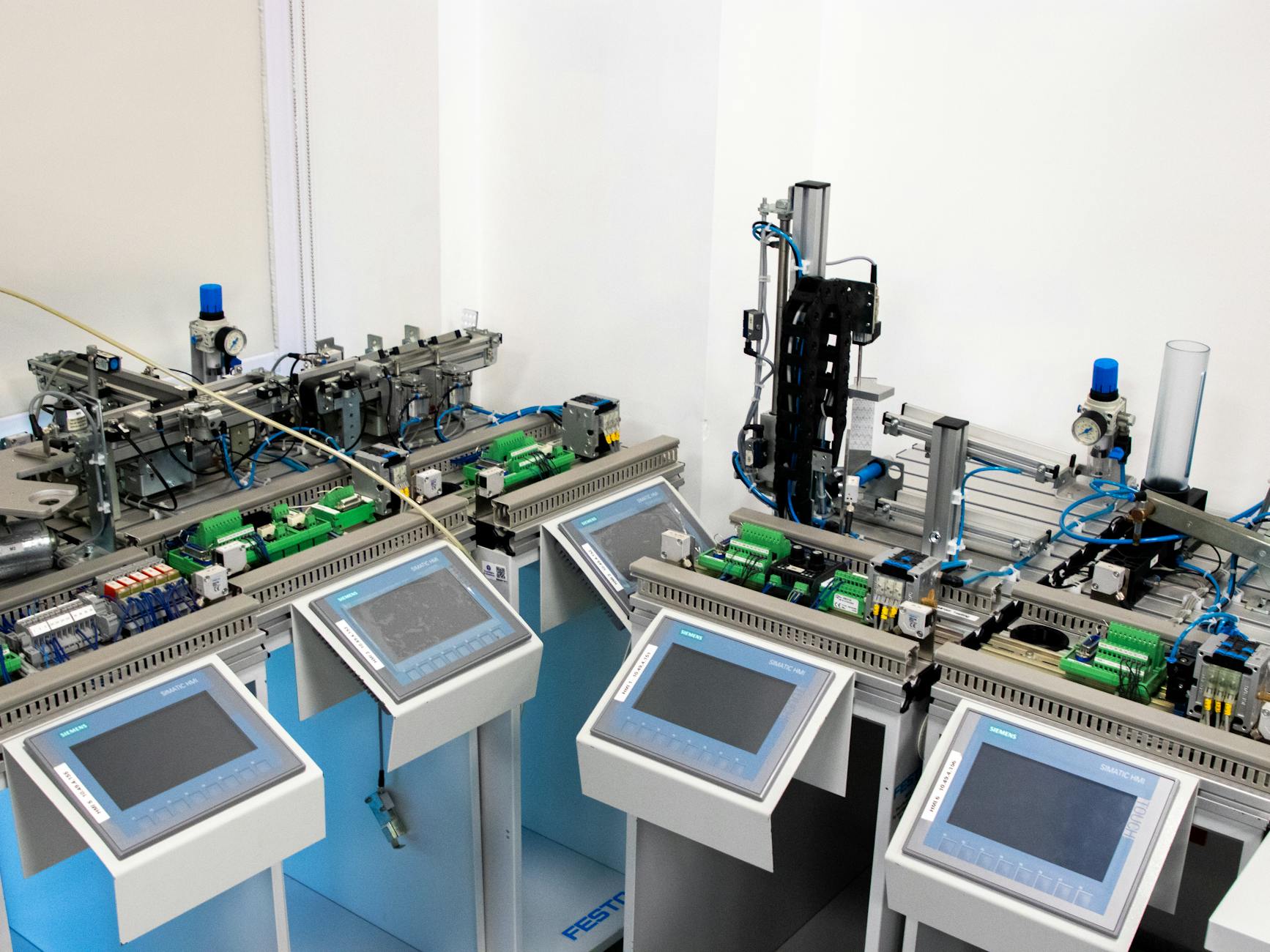
Leading industrial players like Siemens are already deploying their own private 5G infrastructure, extensively testing it in real production environments to ensure it meets the rigorous demands of manufacturing and logistics. This hands-on approach validates the technology's ability to support mission-critical applications like mobile robots and autonomous transport systems. The ability to run diverse applications in parallel without interference on the same infrastructure is a game-changer, solidifying private 5G's role as the foundational connectivity layer for advanced industrial digitalization.

How Does Mesh Technology Supercharge Private 5G Networks?

While private 5G provides a robust backbone, integrating mesh technology elevates its capabilities, particularly in complex and dynamic industrial environments. Mesh networking involves strategically placing nodes that relay data between each other, creating multiple pathways to a destination. This inherent redundancy and adaptability are precisely what makes mesh an ideal complement to private 5G, enhancing coverage, resilience, and cost-efficiency without needing extensive, rigid infrastructure.

One of the primary advantages of mesh technology in private 5G is its ability to deliver targeted enhanced coverage. Instead of relying on traditional network setups that might require extensive cabling and significant disruption, mesh nodes can be deployed strategically to extend network signals to critical areas. This is particularly valuable in vast manufacturing plants, sprawling logistics hubs, or underground mining operations where physical obstacles and changing layouts can challenge conventional wireless signals. Simply put, where there is power, extending the network becomes as straightforward as plugging in a mesh node, offering unparalleled operational flexibility.

Moreover, mesh networks are inherently self-healing and adaptive. If an individual node loses connection or encounters an issue, data automatically reroutes through alternative paths, ensuring uninterrupted communication. This dynamic routing capability is vital for mission-critical industrial applications where downtime is simply not an option. Consider a fleet of autonomous vehicles or remote sensors; continuous connectivity is paramount for safety and productivity. The self-configuring nature of mesh also reduces the need for ongoing manual maintenance, translating into significant operational cost savings over time.

From a cost perspective, strategic mesh integration offers substantial benefits. It reduces initial infrastructure investment by minimizing the need for extensive fiber cabling to every location and requiring fewer access points compared to Wi-Fi networks. This results in lower installation and operational costs, making advanced connectivity more accessible for enterprises. While mesh can introduce minimal latency in some scenarios, the advanced capabilities of 5G technology, combined with strategic node placement, effectively mitigate potential delays, ensuring performance remains within acceptable parameters for most enterprise applications.

What Makes SecureMesh Solutions Stand Out in a Crowded Market?

In a rapidly evolving market for private 5G and industrial IoT, SecureMesh solutions distinguish themselves through a combination of specialized hardware, advanced software, and a deep understanding of mission-critical communication needs. These providers aren't just offering connectivity; they're delivering resilient, secure, and adaptable communication ecosystems tailored for the most demanding environments, from tactical operations to smart grid infrastructure.

A core differentiator for leading SecureMesh providers is their expertise in advanced waveforms and network algorithms. For instance, some leverage COFDM modulation and a Token Passing Network Algorithm, which are crucial for delivering excellent Quality of Service (QoS) and superior penetration, even in challenging scenarios like below-ground deployments. This technical sophistication ensures reliable voice, video, and data transmission where conventional wireless systems would falter, making them indispensable for applications requiring robust connectivity in complex industrial or tactical settings.

SecureMesh offerings also stand out due to their device-agnostic nature and comprehensive security features. Solutions like Trilliant's SecureMesh WAN and NAN are designed to integrate seamlessly with existing infrastructure, meaning there's no need to replace current meters or devices. This reduces deployment friction and capital expenditure for enterprises. Furthermore, these systems incorporate a complete menu of industry security standards, providing multiple paths for data to reach its destination while safeguarding against eavesdropping and unauthorized access, a critical concern for industrial control systems and sensitive data.

The versatility of SecureMesh hardware is another key advantage. Providers offer a range of devices, including bodyworn robust radios, handheld PTT (Push-To-Talk) radios, and robust building, mast, or even UAV-mounted nodes. This diverse portfolio allows for flexible deployment scenarios, from extending lower-power mesh networks to providing extended range in challenging environments. The ability to deploy various camera and video encoding solutions, including high-quality, low-power, silent PTZ functionality, further enhances their utility for surveillance, monitoring, and situational awareness in critical operations.

Where Are the Biggest Opportunities for SecureMesh in Industrial Applications?

The convergence of private 5G and SecureMesh technology unlocks significant opportunities across a spectrum of industrial applications, fundamentally transforming how sectors like manufacturing, logistics, and critical infrastructure operate. These solutions are not just incremental improvements; they are foundational enablers for next-generation operational paradigms that demand unwavering connectivity and security.

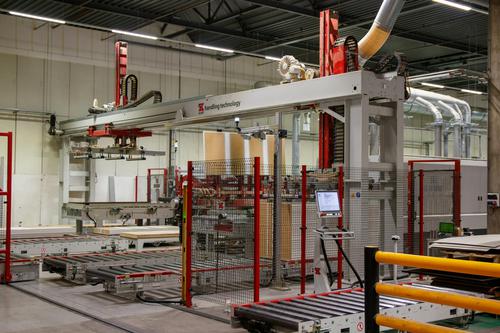
In manufacturing and intralogistics, SecureMesh-enhanced private 5G networks are powering the shift towards fully automated and flexible production. This includes supporting fleets of mobile robots, autonomous guided vehicles (AGVs), and driverless transport systems that require ultra-low latency and high-bandwidth communication to navigate and coordinate in real-time. The self-healing nature of mesh ensures these critical assets remain connected even as the factory floor layout changes or obstacles emerge, minimizing downtime and maximizing throughput. Applications like AR/VR for worker productivity, safety training, and remote maintenance also benefit immensely from the high-reliability, low-latency connectivity, allowing specialists to provide virtual support to on-site workers.

The energy and utilities sectors represent another fertile ground for SecureMesh. Smart grid infrastructure, with its millions of scattered devices across vast geographic areas, demands efficient and secure two-way communication. SecureMesh WANs provide real-time communication with large numbers of devices, while NANs handle higher-density deployments with rapid processing needs. The ability to maintain uninterrupted communications through dynamic routing, even if an endpoint loses connection, is paramount for grid stability and rapid response to incidents. This resilience is critical for managing distributed energy resources, smart metering, and enhancing operational reliability across the network.

Beyond traditional industrial settings, SecureMesh solutions are proving invaluable in public safety, defense, and emergency response. For tactical missions, search and rescue operations, or protecting critical sites, the ability to share voice, video, and data instantly and securely is life-saving. Bodyworn and drone-mounted mesh nodes extend communication range in disconnected or challenging environments, providing real-time situational awareness, team tracking, and critical data exchange. This includes specialized applications like drone-mounted IMSI catchers for search and rescue, or secure communications for close protection units, highlighting the technology's adaptability to extreme operational demands.

What Does the Competitive Landscape Look Like, and What Are the Risks?

The private 5G and mesh networking market is a dynamic arena, attracting a diverse range of players from established telecommunications giants to specialized technology providers. Understanding this competitive landscape and the inherent risks is crucial for assessing the long-term prospects of SecureMesh solution providers.

Major telecommunications equipment vendors like Nokia, Ericsson, and Samsung are significant players, offering comprehensive private 5G solutions encompassing RAN, core, and managed services. Nokia, for instance, delivers industrial-grade wireless networks for manufacturing, energy, and transportation, emphasizing secure, low-latency connectivity. Similarly, Ericsson focuses on industrial automation and IoT, while Samsung integrates seamlessly with existing Wi-Fi infrastructures. These companies leverage their extensive R&D and global reach, often partnering with cloud providers and system integrators to deliver scalable systems.

Alongside these giants, a cohort of innovative end-to-end private network specialists and mesh technology developers are carving out their niches. Companies like Celona offer cloud-native private 5G platforms with AI-driven network management, while Druid Software provides carrier-grade private LTE/5G core network software. JMA Wireless specializes in Open-RAN compliant 5G RAN solutions and hardware. In the mesh space, companies like Trilliant and Sovsys (Sovsys.co) highlight their deep experience in secure mesh communications, often with specialized hardware like COFDM-based IP Mesh nodes. The market for cybersecurity mesh, a related but distinct segment, is also experiencing rapid growth, projected to reach $10.12 billion by 2035 at a CAGR of 10.68%, indicating a broader trend towards distributed, robust security architectures.

However, the path to widespread adoption isn't without its challenges and risks. Security remains a paramount concern, despite 5G being inherently secure. Private 5G networks, especially when integrated with operational technology (OT) and IoT devices, present a multifaceted threat landscape. Vulnerabilities can lead to data breaches, disruptions in critical processes, and even physical damage. Ensuring deep visibility, robust authentication (SIM-based), and end-to-end encryption is critical. Another risk is integration complexity. Deploying and managing private 5G networks, particularly with mesh overlays, requires specialized expertise to integrate with existing enterprise IT and OT systems, which can be a barrier for some organizations. The market is also highly competitive, with rapid technological advancements demanding continuous innovation to stay ahead.

What's the Investment Outlook for SecureMesh Providers?

The investment outlook for companies specializing in SecureMesh solutions within the private 5G ecosystem appears robust, driven by the accelerating digital transformation across industrial sectors. The market for private 5G is expanding rapidly, with enterprises increasingly recognizing the strategic imperative of dedicated, secure, and high-performance connectivity. This fundamental demand provides a strong tailwind for innovative providers.

Companies that can effectively combine the inherent strengths of private 5G – low latency, high bandwidth, and control – with the resilience and flexibility of mesh technology are particularly well-positioned. Their ability to deliver solutions that are not only technically superior but also cost-efficient and easy to deploy in complex industrial settings will be key differentiators. Investors should look for firms with proven expertise in specialized waveforms, robust security features, and a diverse portfolio of hardware adaptable to various use cases, from manufacturing floors to remote critical infrastructure.

While the competitive landscape includes large incumbents, specialized SecureMesh providers can thrive by focusing on niche applications and delivering highly tailored, integrated solutions that address specific industrial pain points. The emphasis on self-healing networks, enhanced coverage in challenging environments, and reduced infrastructure costs resonates strongly with industrial clients. As Industry 4.0 initiatives mature, the demand for such foundational communication layers will only intensify, making these companies attractive long-term plays.

The cybersecurity mesh market's projected growth to over $10 billion by 2035 further underscores the broader trend towards distributed and resilient security architectures, which aligns perfectly with the principles of SecureMesh. This indicates a strong market appetite for solutions that enhance security at the device level, a core offering of many SecureMesh providers. However, investors should remain vigilant about the pace of technological change and the ability of these companies to continuously innovate and adapt to evolving security threats and integration challenges.


The industrial revolution's next chapter is being written with private 5G and SecureMesh as key enablers. For investors, the opportunity lies in identifying the agile, innovative players that can translate this technological promise into tangible, secure, and resilient communication solutions for the world's most critical operations. The future of industrial connectivity is here, and it's increasingly meshed and private.


Want deeper research on any stock? Try Kavout Pro for AI-powered analysis, smart signals, and more. Already a member? Add credits to run more research.

SHARE THIS ON:

Related Articles

Category

You may also like

News5 days ago

Mobile World Congress 2026: Towercos Take Center Stage

Towerco ownership of global infrastructure rose to 75% in 2026, up from 25% in 2014. This shift reflects a broader industry trend of telcos spinning off assets, cementing towercos as essential provide...
Stock News1 week ago

Industrial Chips Are in Rally Mode—5 Ways to Play

Industrial chip stocks reached record or long-term highs in mid-to-late April 2026, driven by accelerating sector demand. This momentum suggests a multi-year supercycle is underway, potentially signal...
Stock News1 week ago

OneLayer Launches Sentry Partner Program to Extend Zero Trust Security for Private Cellular Networks

OneLayer launched the Sentry Partner Program to expand its Zero Trust security and asset management solutions for private LTE and 5G networks. The initiative aims to broaden the company's market reach...
Stock News1 week ago

Enterprises Transform Procurement Operations with AI

Enterprises are shifting procurement operations toward AI-enabled, data-driven workflows to enhance scalability and governance, according to ISG. This transition aims to improve operational outcomes b...

Breaking News

View All →

Top Headlines

View More →
Stock News43 minutes ago

Nvidia's 24.5x P/E Multiple Looks Like a Market Mistake — and the Value Argument Is Only Getting Louder the Longer Shares Drift Sideways

Stock News1 hour ago

Cramer's AI Winners List: From Nvidia To Dell, These Stocks Are Cashing In Big

Stock News1 hour ago

Microsoft And Amazon Aren't Cheap: Analyst Says Earnings 'Mirage' Driven By OpenAI, Anthropic Dominating 50% Of Cloud Backlog

Stock News1 hour ago

Custom AI Microsoft Apps That Solve Real Business Problems by ESW

Stock News3 hours ago

'SAFEGUARDS FOR PEOPLE OF CERTAIN AGES': Inside the precedent Meta case could set