MarketLens

Log in

Why is Uber Investing $100 Million in Robotaxi Charging

6 days ago
SHARE THIS ON:

Why is Uber Investing $100 Million in Robotaxi Charging

Key Takeaways

  • Uber's $100 million investment in fast-charging robotaxi infrastructure marks a pivotal strategic shift, moving beyond its traditional asset-light model to secure a dominant position in the autonomous vehicle ecosystem.
  • This capital deployment is designed to maximize robotaxi uptime and utilization, directly addressing a critical bottleneck for scaling autonomous fleets and paving the way for enhanced long-term profitability.
  • The initiative also supports Uber's broader electrification goals for human-driven rideshare, aiming to alleviate driver charging concerns and foster greater EV adoption on its platform.

Why is Uber Investing $100 Million in Robotaxi Charging?

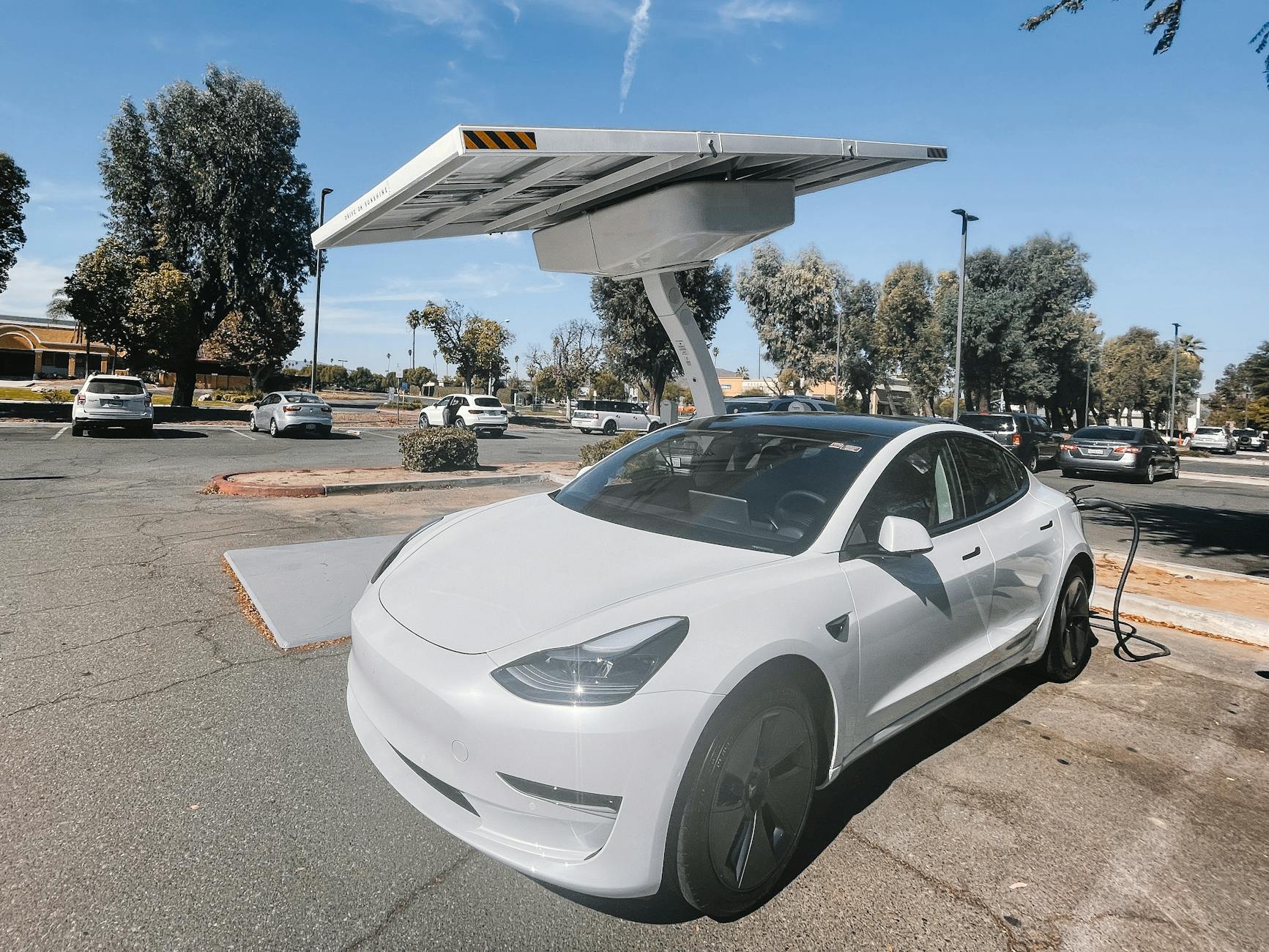
Uber Technologies, Inc. (NYSE: UBER) is making a significant strategic pivot, committing over $100 million to build a network of fast-charging stations specifically for autonomous vehicles (AVs). This move, announced on February 18, 2026, represents a notable departure from Uber's historically asset-light business model, signaling a deep commitment to becoming a critical player in the burgeoning robotaxi industry. The initial rollout will concentrate on key U.S. markets: the San Francisco Bay Area, Los Angeles, and Dallas, all slated for public robotaxi service launches with technology partners.

This investment is fundamentally about operational control and efficiency. Uber argues that owning its charging infrastructure will improve vehicle uptime and utilization across its network, a crucial factor for the economic viability of robotaxis. Unlike human-driven cars that can charge at home or during off-peak hours, autonomous fleets require rapid, high-capacity charging during brief maintenance windows to maximize their time on the road. The funds will cover site development, equipment, grid connections, and associated capital expenditures for these high-capacity charging hubs, often located at Uber's AV depots where robotaxis are cleaned and inspected.

Beyond direct investment, Uber is also implementing a two-pronged charging strategy. In parallel, it's guaranteeing minimum usage levels to third-party charging network operators like EVgo, Hubber, Ionity, and Electra. This arrangement effectively underwrites the commercial risk for these partners, incentivizing them to build out more than 1,000 new chargers globally. This dual approach aims to accelerate the deployment of both robotaxi and human-driven electric vehicle (EV) charging infrastructure, addressing a significant concern for drivers and positioning Uber at the forefront of the electrified mobility future.

How Does This Investment Support Uber's Robotaxi Ambitions?

Uber's $100 million charging infrastructure investment is a direct enabler of its aggressive robotaxi expansion strategy. The company plans to launch public robotaxi services in the San Francisco Bay Area, Los Angeles, and Dallas with partners like Lucid and Nuro, and Volkswagen's autonomous ID.Buzz vans. By the end of 2026, Uber aims to offer autonomous vehicles on its app in at least 10 cities, with a broader goal of expanding to 15 cities globally. This infrastructure is the backbone required to scale these operations efficiently.

Robotaxis operate continuously, without the shift limitations of human drivers, making efficient charging rotation central to profitability. Strategically located charging hubs near high-demand districts will minimize idle time and maximize vehicle utilization, directly impacting the unit economics of autonomous fleets. Uber's CEO, Dara Khosrowshahi, has articulated a vision where Uber controls the platform and critical infrastructure, even as third-party capital funds vehicle purchases, akin to the hotel industry where Marriott operates hotels without necessarily owning them. This investment is a concrete step towards building that "financialized" AV ecosystem.

Furthermore, this move strengthens Uber's competitive positioning against rivals like Waymo and Tesla. While Uber currently manages Waymo's robotaxi operations in Austin and Atlanta, handling charging and maintenance, the new dedicated infrastructure could create competitive pressure. Uber has declined to specify whether Waymo will have access to these new chargers, implying a potential network exclusivity that could compel AV operators to use Uber's platform. This control over a critical operational aspect could become a significant advantage as the robotaxi market intensifies, ensuring Uber remains indispensable to its AV partners and potentially even competitors.

What Does This Mean for Uber's Electrification Goals and Driver Retention?

Uber's $100 million commitment extends beyond just robotaxis; it also signals a renewed focus on its broader electrification goals for human-driven rideshare. The company has been tweaking its spending strategy after a 2025 survey revealed that driver concerns about charging access had surpassed worries about EV ownership costs. In response, Uber discontinued monthly bonuses for EV drivers, instead offering one-time grants to those who switch from non-electric cars. This infrastructure investment directly addresses the charging access bottleneck, which is critical for accelerating EV adoption among its vast network of human drivers.

Rideshare drivers log significantly more miles than average personal car drivers, often in urban corridors, making their transition to EVs particularly impactful for emissions reduction and air quality. However, many drivers face limited charging options, especially those in urban apartments without home charging. The new fast-charging hubs, alongside the 1,000+ additional chargers expected from third-party partnerships, will make public charging more accessible and convenient. This improved infrastructure aims to lower the "fuel" costs for drivers (electricity is estimated at $0.05/mile compared to $0.13/mile for gasoline) and reduce maintenance expenses, enhancing their overall profitability and retention on the platform.

By guaranteeing usage levels to charging network operators, Uber is actively de-risking the expansion of public DC fast-charging (DCFC) networks. This strategy is designed to benefit both robotaxi fleets and human EV drivers, ensuring that the infrastructure build-out meets the needs of high-utilization vehicles. Ultimately, a robust and accessible charging network is crucial for Uber to meet its ambitious green goals and maintain a competitive edge in attracting and retaining drivers, particularly as the cost of owning an EV becomes more attractive. This investment is a tangible step towards creating an ecosystem where electrification is not just an aspiration but a practical reality for its entire fleet.

Is Uber's Asset-Light Model at Risk, or is This a Smart Evolution?

Uber's $100 million investment in charging infrastructure represents a strategic evolution rather than an abandonment of its core asset-light philosophy. For years, Uber built its $151.16 billion market capitalization by connecting drivers with riders without owning the vehicles themselves. However, the unique demands of scaling autonomous fleets necessitate a temporary, targeted shift in capital deployment. As CEO Dara Khosrowshahi noted, "We are setting up depots, acquiring real estate, making sure we have the charging infrastructure in place," acknowledging the machinery required for AV scale.

This upfront capital intensity is a necessary evil to "seed supply and accelerate autonomous vehicle rollout," as Uber President & COO Andrew Macdonald has stated. The company's long-term vision remains asset-light, aiming for the "financialization" of AV ownership, where institutional investors own the fleets, and Uber operates them. This is analogous to the hotel industry, where REITs own properties, and brands like Marriott manage them. Uber is actively working on third-party financing partnerships to amplify its investments across AV software, OEM production, and infrastructure, ultimately aiming to offload vehicle ownership.

While the investment increases capital expenditure in the near term, it is designed to deliver significant efficiency gains and long-term scalability. By controlling critical infrastructure, Uber aims to maximize fleet utilization and operational uptime, which are key indicators of profitability for robotaxi operations. This strategic move is about securing a platform advantage and raising competitive pressure on rival mobility and EV ecosystem players. It signals confidence that robotaxis are approaching a more mature, deployment-focused phase, where infrastructure is as vital as the self-driving software itself.

What Are the Financial Implications and Investor Outlook for UBER?

Uber's $100 million investment, while substantial, is a calculated capital deployment aimed at securing future growth and profitability. The company's current financial health provides a strong foundation for such strategic moves. With a market capitalization of $151.16 billion and a trailing twelve-month (TTM) revenue of $25.09 billion, Uber generated a net income margin of 19.3% and an operating margin of 10.7%. Its P/E ratio stands at 15.00, and its P/FCF (Price to Free Cash Flow) is 15.48, indicating a company that is generating healthy cash flows. Free Cash Flow (FCF) per share for the TTM is $4.71, with FCF growth of 41.6% year-over-year in FY2025.

However, investors have shown mixed reactions to Uber's autonomous strategy, with shares declining 14% year-to-date as of February 18, 2026. This sentiment was compounded by Q4 2025 adjusted earnings of $0.71 per share, missing analyst estimates of $0.79 per share due to higher taxes. Despite this, Uber's long-term growth trajectory remains compelling, with 3-year cumulative revenue growth of 55.2% and net income growth of 204.6%. The current investment, while increasing near-term capital intensity, is expected to unlock significant long-term value by eliminating driver payouts and maximizing robotaxi utilization, fundamentally altering margin profiles.

The success of this strategy hinges on execution and regulatory clarity. Institutional investors are closely monitoring deployment milestones and operational transparency. If Uber can effectively scale its robotaxi operations and leverage its charging infrastructure to become an indispensable partner for AV developers, it could solidify its position as the dominant mobility platform of the future. The company's ability to "financialize" AV ownership over time will also be key to maintaining its asset-light model and delivering sustainable returns, making the current investment a critical, albeit risky, step towards a potentially transformative future.

Uber's $100 million charging network investment is a bold bet on the future of autonomous mobility, strategically positioning the company for long-term growth and profitability. While near-term capital intensity and market skepticism are factors, this move could prove decisive in the robotaxi race, solidifying Uber's ecosystem control and driving significant operational efficiencies. Investors should watch for deployment milestones and the successful "financialization" of AV assets as key indicators of this strategy's success.


Want deeper research on any stock? Try Kavout Pro for AI-powered analysis, smart signals, and more. Already a member? Add credits to run more research.

SHARE THIS ON:

Related Articles

Category

You may also like

No related articles available

Breaking News

View All →

No topics available at the moment