MarketLens

Log in

Is Amazon's Logistics Network Undergoing a Major Overhaul

2 days ago
SHARE THIS ON:

Is Amazon's Logistics Network Undergoing a Major Overhaul

Key Takeaways

  • Amazon is strategically reshaping its logistics and connectivity infrastructure through a dual approach: reducing reliance on the USPS while simultaneously expanding its own delivery network, and launching a major satellite internet partnership with Delta Air Lines.
  • The breakdown in USPS negotiations, coupled with Amazon's $4 billion investment in rural delivery, signals a calculated move towards greater control and efficiency in last-mile operations, directly impacting traditional carriers.
  • The Amazon Leo-Delta partnership, deploying high-speed satellite internet on 500 aircraft by 2028, positions Amazon as a significant player in the burgeoning in-flight connectivity market and a direct challenger to established satellite providers.

Is Amazon's Logistics Network Undergoing a Major Overhaul?

Amazon.com, Inc. (NASDAQ: AMZN) is currently trading at $212.79, reflecting a 1.44% gain today, with a robust market capitalization of $2.28 trillion. The e-commerce giant, known for its relentless pursuit of efficiency and customer satisfaction, is once again at a strategic crossroads, making significant moves that could redefine its operational backbone for years to come. These aren't minor adjustments; they represent a calculated pivot in both its terrestrial delivery network and its burgeoning space-based internet ambitions, directly impacting its competitive posture and long-term profitability.

The company is navigating a complex, multi-front evolution. On one hand, it's recalibrating its decades-long relationship with the U.S. Postal Service (USPS), a partnership that has been foundational to its last-mile delivery capabilities, especially in rural areas. Simultaneously, Amazon is making an aggressive push into the in-flight connectivity market through a landmark deal with Delta Air Lines, leveraging its Project Kuiper satellite internet constellation, now branded Amazon Leo. These two seemingly disparate initiatives are, in fact, deeply interconnected, reflecting Amazon's overarching strategy to control more of its value chain and enhance customer experience across every touchpoint.

Investors are keenly watching how these shifts will impact Amazon's formidable logistics machine and its AWS-powered ecosystem. The stakes are high, as these strategic realignments could either unlock new efficiencies and revenue streams or introduce unforeseen operational complexities and capital expenditures. Understanding the nuances of these partnerships, and the competitive landscape they disrupt, is crucial for assessing Amazon's trajectory in the coming years.

What's Happening with Amazon's USPS Partnership?

Amazon's long-standing, multi-billion-dollar partnership with the USPS is facing an unprecedented shake-up, with its current contract set to expire in October 2026. For over 30 years, the USPS has been a critical component of Amazon's delivery network, particularly for reaching remote and less densely populated areas where its own infrastructure might be less efficient. Amazon has historically been the USPS's largest customer, contributing an estimated $6 billion in revenue in 2025 alone, accounting for roughly 7.5% of the agency's total sales.

However, the relationship hit a snag in December when, according to Amazon, the USPS "abruptly walked away at the eleventh hour" from renewal negotiations. Amazon stated its goal was to increase volumes with the USPS, not reduce them, but the Postal Service introduced a new "auction concept" for its last-mile services. This unexpected shift forced Amazon to re-evaluate its strategy, leading to reports that it plans to cut USPS shipments by at least two-thirds upon contract expiration, potentially impacting over a billion packages annually.

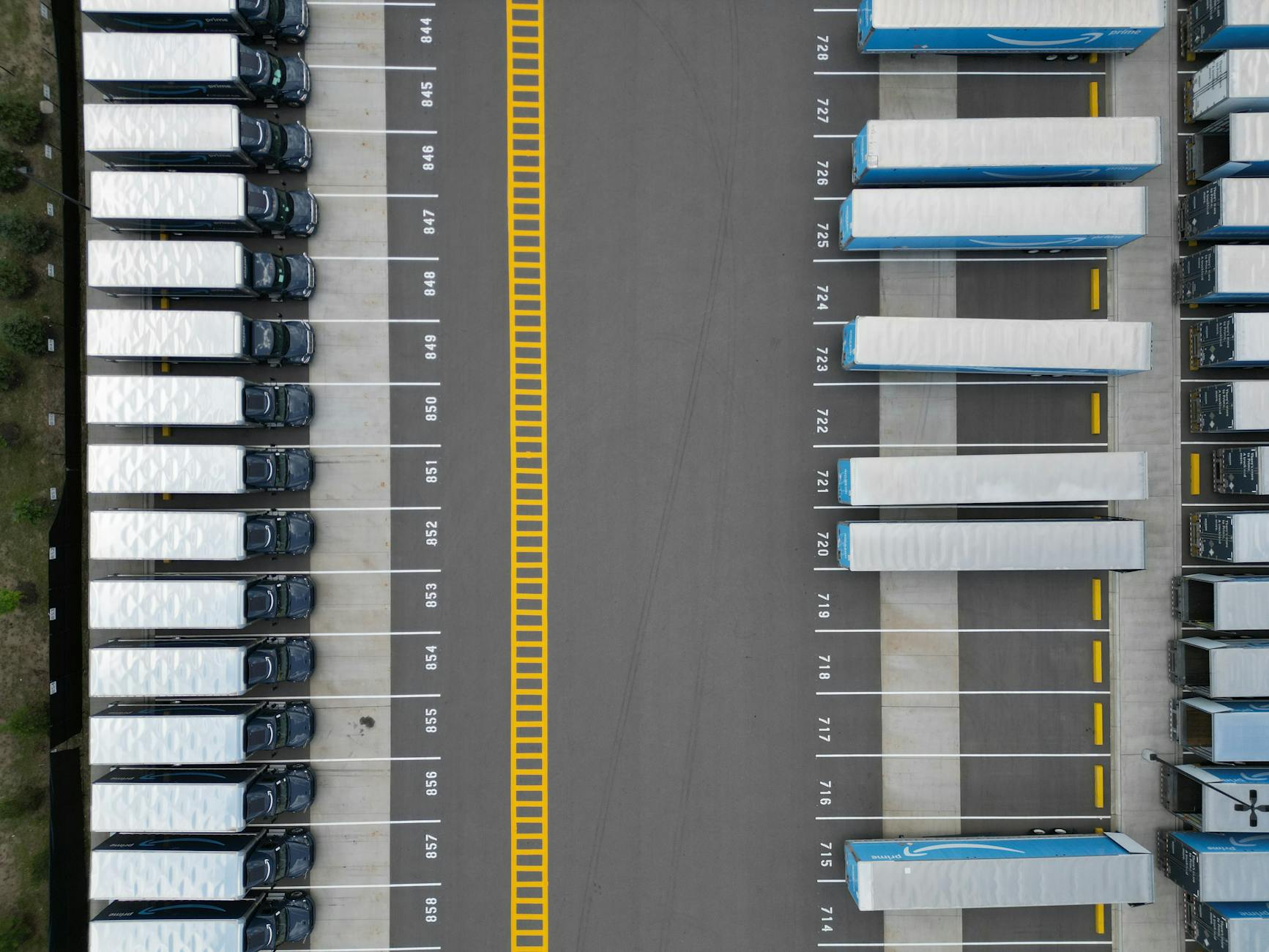
In response to this uncertainty, Amazon has been aggressively expanding its own logistics network. The company has pledged to invest over $4 billion by the end of 2026 to triple the size of its rural delivery network, adding over 200 delivery stations and creating more than 100,000 new jobs. This strategic investment aims to bring faster delivery to 13,000 zip codes spanning 1.2 million square miles, an area the size of Alaska, California, and Texas combined. This move is a clear signal that Amazon is prepared to absorb a significant portion of its last-mile deliveries in-house, reducing its dependence on third-party carriers and transforming from a partner to a direct competitor in many areas.

How Will Amazon's Self-Reliance Impact the Logistics Industry?

Amazon's strategic pivot away from a heavy reliance on the USPS is poised to send ripple effects throughout the entire logistics industry, reshaping last-mile delivery dynamics for both major carriers and smaller retailers. For the USPS, losing its largest customer and an estimated $6 billion in annual revenue could be a severe blow, especially given its history of multi-billion-dollar losses, including a $9 billion net loss in fiscal 2025. This volume reduction could leave the USPS with underutilized infrastructure, potentially forcing it to raise rates for other customers or cut services, particularly in rural areas where Amazon's volume was a crucial cross-subsidy.

The implications extend beyond the USPS. While Amazon's move initially caused a slight dip in shares of competitors like UPS and FedEx, the long-term impact is more nuanced. Amazon's expanded in-house network, Amazon Logistics, already delivered 6.7 billion packages last year, surpassing USPS's 6.6 billion for the first time and capturing a 27.9% share of total U.S. package volume. This trend suggests Amazon is becoming a parallel postal system, directly competing with established carriers. For other retailers, this could mean higher shipping costs if USPS rates increase, or a greater dependence on Amazon's logistics network, effectively feeding a direct competitor.

Ultimately, Amazon's accelerated self-reliance in logistics underscores a broader industry shift towards integrated, controlled supply chains. The company's massive investment in its own rural delivery capabilities not only enhances its competitive advantage in speed and reliability but also gives it greater leverage over pricing and service levels. This forces other shippers and carriers to re-evaluate their own strategies, emphasizing the need for diversified parcel solutions and robust contingency plans in a rapidly evolving delivery landscape.

What Does the Delta-Amazon Leo Partnership Mean for Connectivity?

Amazon's landmark multi-year agreement with Delta Air Lines to power in-flight Wi-Fi with Amazon Leo, its low Earth orbit (LEO) satellite internet service, marks a significant expansion of Amazon's ambitions beyond e-commerce and cloud computing. Starting in 2028, Amazon Leo will be installed on 500 Delta aircraft, providing high-speed, low-latency connectivity from gate-to-gate. This partnership builds on Delta's existing relationship with Amazon Web Services (AWS), which has served as its preferred cloud provider since 2020, with nearly 600 applications migrated to the cloud.

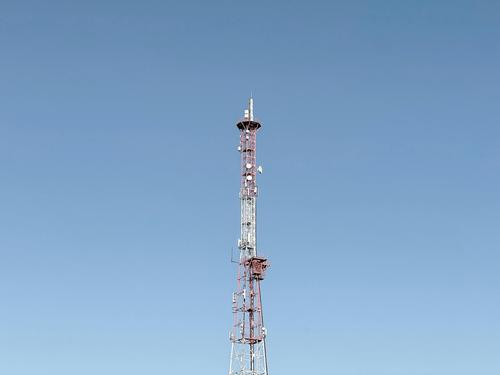
The core of this offering is Amazon Leo's constellation of thousands of satellites, orbiting approximately 370 miles above Earth. This proximity to the planet dramatically reduces latency compared to traditional geostationary systems, promising an in-flight internet experience on par with terrestrial networks. Each Delta aircraft will be equipped with a purpose-built phased array antenna, capable of delivering download speeds up to 1 Gbps and upload speeds up to 400 Mbps. For Delta SkyMiles members, Leo-powered Wi-Fi will remain free, enhancing the customer experience for the 200 million passengers Delta served last year.

This deal is more than just providing Wi-Fi; it's about integrating AWS, Amazon Leo, and artificial intelligence to enhance the entire travel journey. Amazon CEO Andy Jassy emphasized that Leo was designed to provide high-speed internet to billions globally, and this agreement with Delta showcases the technology's scale and impact. It positions Amazon as a formidable player in the in-flight connectivity market, directly challenging incumbents like Viasat and Hughes, with whom Delta also maintains existing partnerships, and setting the stage for broader enterprise applications of its LEO network.

The Amazon Leo-Delta partnership immediately draws comparisons to SpaceX's Starlink, its own LEO satellite internet service, intensifying the burgeoning space race for global connectivity. Both Amazon Leo and Starlink aim to provide high-speed, low-latency internet from space, leveraging constellations of thousands of satellites. However, their strategic approaches and market penetration vary, setting the stage for a fierce competitive battle in the coming years.

Starlink has been more aggressive in its rollout, already serving a wide range of customers, including residential users, enterprises, and increasingly, the aviation and maritime sectors. It has secured deals with airlines like Hawaiian Airlines and JSX, and offers a "Starlink Aviation" service. Amazon Leo, while having over 200 satellites in orbit and 20 full-scale missions planned over the next year, is taking a more measured, enterprise-focused approach, with the Delta deal being its most significant public commitment in the aviation sector to date. This suggests Amazon is prioritizing strategic partnerships and integrated solutions, leveraging its AWS ecosystem to offer a more comprehensive package.

The key differentiator for Amazon Leo could be its deep integration with AWS. This allows for seamless data flow, advanced analytics, and AI-driven services that can enhance the in-flight experience beyond mere internet access. While Starlink focuses primarily on raw connectivity, Amazon's strategy appears to be about creating an end-to-end digital platform for airlines, from cloud infrastructure to passenger connectivity. This could give Amazon a competitive edge in securing large-scale enterprise contracts, particularly with companies already deeply embedded in the AWS ecosystem, by offering a holistic solution rather than just a hardware and bandwidth play.

What Are the Investor Implications of These Strategic Shifts?

Amazon's dual strategic moves—recalibrating its USPS partnership and launching Amazon Leo with Delta—present a compelling, yet complex, narrative for investors. The shift in logistics, while initially perceived as a potential cost burden, is a calculated long-term play for greater control and efficiency. By investing $4 billion in its own rural delivery network, Amazon is mitigating reliance on external partners, potentially reducing future shipping costs, and enhancing customer experience through faster, more reliable last-mile service. This vertical integration strengthens Amazon's competitive moat against rivals and provides a more predictable cost structure, even if it requires significant upfront capital expenditure.

The Amazon Leo-Delta partnership, on the other hand, opens up an entirely new revenue stream and market opportunity in the in-flight connectivity sector, estimated to be worth billions annually. This move diversifies Amazon's business beyond e-commerce and cloud, leveraging its space technology to create a new, high-margin service offering. The integration with AWS further solidifies its enterprise appeal, potentially attracting other airlines and businesses seeking comprehensive digital transformation solutions. While the 2028 rollout date means immediate financial impact is limited, the long-term growth potential and competitive positioning against Starlink are significant.

Investors should monitor Amazon's Q1 logistics costs for initial impacts of the USPS transition and watch for further announcements regarding Amazon Leo's expansion. The market's initial 1.6% dip on the USPS news was likely a "sell the news" event, mispricing a known, managed transition as a sudden shock. The true test will be whether Amazon's AI-driven growth in AWS, coupled with these strategic operational enhancements, can continue to drive the stock higher. CEO Andy Jassy's projection of AWS sales doubling to $600 billion by 2036 underscores the company's long-term growth vision, which these strategic deals are designed to support.


Amazon's bold strategic maneuvers in logistics and satellite internet underscore its relentless drive for innovation and control. These moves, while requiring significant investment, are poised to enhance its competitive advantage, streamline operations, and unlock new growth avenues. Investors should view these developments as foundational elements of Amazon's long-term vision, positioning the company for sustained leadership in an evolving global economy.


Want deeper research on any stock? Try Kavout Pro for AI-powered analysis, smart signals, and more. Already a member? Add credits to run more research.

SHARE THIS ON:

Related Articles

Category

You may also like

Stock News1 week ago

Amazon Rides on New Logistics and Delivery Innovations: What's Ahead?

Amazon (AMZN) is increasing logistics efficiency via faster delivery and lower costs, driven by massive investment. This move sharpens its competitive edge against rivals boosting AI-driven supply cha...
Stock News2 weeks ago

Is Amazon Actually a Once-in-a-Decade Bargain Stock Right Now?

Amazon's stock valuation hinges on retail profit potential rather than cloud growth, as e-commerce significantly underperforms due to ongoing research projects.
Stock News2 weeks ago

Is Uber's Mega Deal With Rivian a Game-Changer in the Robotaxi Space?

Uber's $1B-plus deal with Rivian to deploy 10,000 robotaxis may reshape autonomous ride-hailing as the company scales its global rollout plans.
Stock News3 weeks ago

Amazon Could Slash Postal Service Package Volume by Two-Thirds

Amazon may reduce its package volume with the U.S. Postal Service by two-thirds, potentially altering its status as the USPS's largest customer.

Breaking News

View All →

Top Headlines

View More →
Stock News28 minutes ago

Crude Rises Near $100 as Iran Questions Ceasefire, CRWV Expands META Deal

Stock News38 minutes ago

Tesla Stock Just Triggered A Death Cross — And Cathie Wood Is Betting Millions Against It

Stock News48 minutes ago

Want to Invest in Artificial Intelligence (AI) but Scared of the Volatility? This 1 Stock Is Built for Uncertain Markets.

Stock News1 hour ago

Amazon Pharmacy to Offer Eli Lilly and Company's New GLP-1 Pill Foundayo via Same-Day Delivery

Stock News1 hour ago

AMZN, AAPL and NFLX Forecasts – US Tech Stocks Supported So Far