MarketLens

Log in

Is the Strait of Hormuz the World's New Economic Chokepoint

1 hour ago
SHARE THIS ON:

Is the Strait of Hormuz the World's New Economic Chokepoint

Key Takeaways

  • The Iran war's effective closure of the Strait of Hormuz has created a critical chokepoint, disrupting global supply chains for energy, fertilizers, and industrial gases.
  • Agricultural markets face severe headwinds as fertilizer prices surge and supplies tighten ahead of the crucial spring planting season, threatening global food security and driving inflation.
  • The conflict also poses a significant, underappreciated risk to the burgeoning AI industry, jeopardizing Middle Eastern data center investments and the energy-intensive semiconductor supply chain.

Is the Strait of Hormuz the World's New Economic Chokepoint?

The recent escalation of conflict in the Middle East, marked by joint U.S.-Israeli strikes on Iran on February 28, 2026, and Iran's subsequent retaliatory actions, has effectively shut down the Strait of Hormuz. This narrow waterway, connecting the Persian Gulf to the Gulf of Oman, is far more than just an oil transit route; it's a critical artery for global trade, now a severe chokepoint for a vast array of commodities. The implications extend well beyond energy markets, threatening to destabilize everything from global food supplies to the burgeoning artificial intelligence sector.

Historically, the Strait of Hormuz has been synonymous with oil, with an estimated 20 million barrels of crude oil transiting its waters daily. However, its closure has exposed a deeper vulnerability: its indispensable role in the global fertilizer supply chain. Over one-third of the world’s fertilizer ingredients, and roughly one-quarter of global fertilizer production, pass through this strait. This reliance makes the region’s instability a direct threat to agricultural productivity worldwide, particularly as the Northern Hemisphere approaches its critical spring planting season.

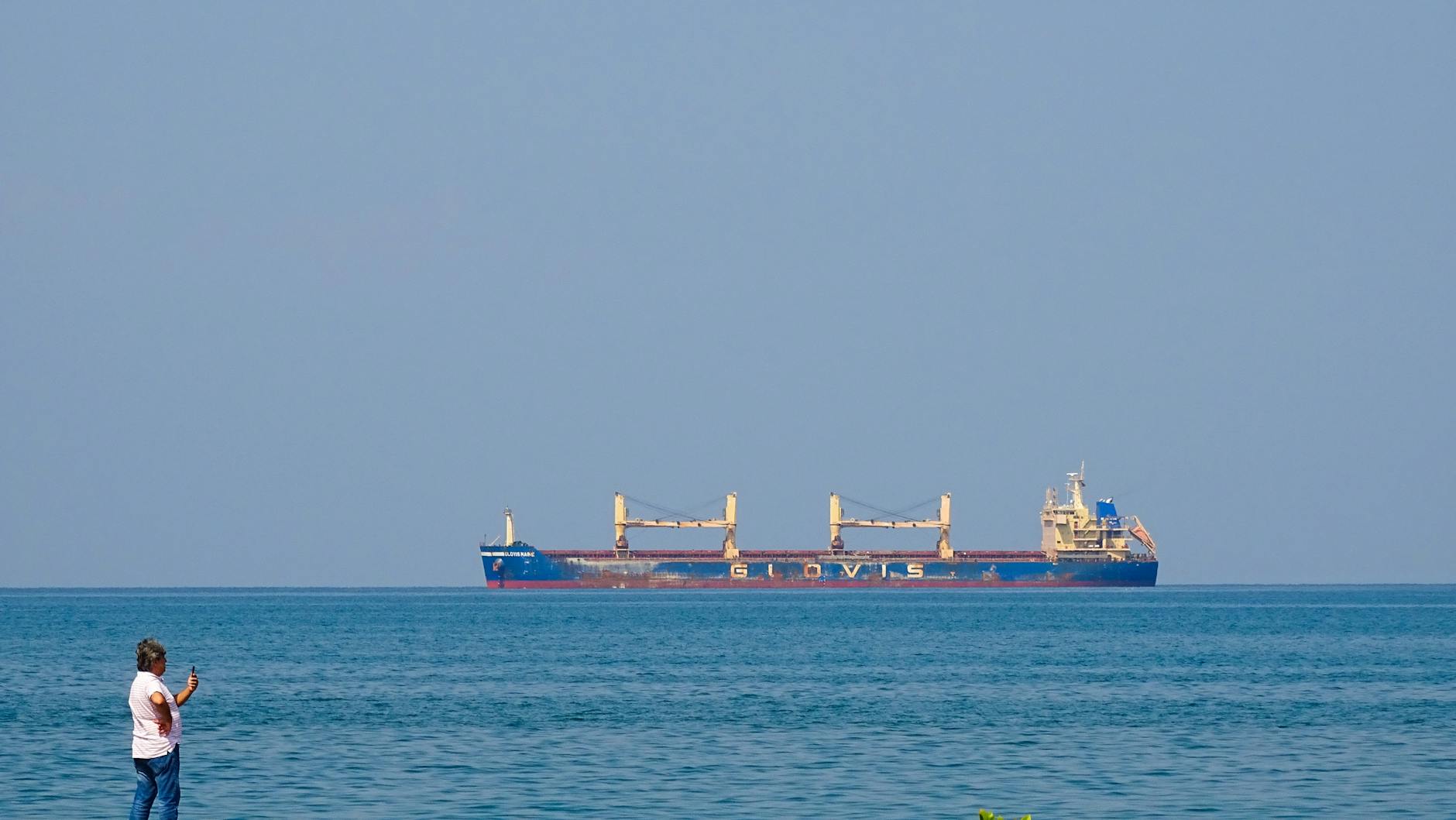
The immediate fallout has been stark. Strikes on commercial vessels and the suspected deployment of sea mines have elevated transit risks, leading major maritime insurers to cancel war risk coverage for ships in the region. This has left hundreds of tankers idle, unable to secure safe passage or insurance, effectively halting crucial shipments. The lack of strategic reserves in key markets like the U.S., coupled with an inability for domestic production to quickly scale, means that disruptions today will translate into significant economic pain tomorrow.

This isn't just about oil or gas anymore; it's about the fundamental inputs that underpin modern economies. The Strait of Hormuz is revealing itself as a multi-faceted chokepoint, capable of triggering cascading failures across diverse industries. The world is now grappling with the reality that a conflict in one region can swiftly translate into global economic turmoil, impacting everything from the cost of groceries to the pace of technological innovation.

How is the Iran Conflict Wreaking Havoc on Global Agriculture?

The war in Iran has cast a long shadow over global agriculture, primarily by disrupting the vital flow of fertilizers through the Strait of Hormuz. This chokepoint is critical because the Middle East, rich in natural gas reserves, is a primary producer of ammonia and urea, key components for nitrogen fertilizers. Countries exposed to the conflict, including Egypt, Iran, Qatar, Saudi Arabia, and the UAE, collectively account for approximately 49% of global urea exports and roughly 30% of ammonia exports. The effective closure of the Strait has created a "worst-case scenario" for these markets.

The impact on fertilizer prices has been immediate and dramatic. Global urea prices jumped nearly 26% from pre-war levels to $585 per metric ton by March 11, 2026. In the Middle East, urea prices rose by 19% within a single week, while U.S. urea import prices surged 30% in the same period. Looking at a broader timeframe, urea prices had already climbed 77% from mid-December 2025 to March 9, 2026. Ammonia prices in the Middle East were up an astonishing 92% year-over-year as of March 10, with urea prices up 70% over the same period.

This timing couldn't be worse for U.S. agricultural producers, as the spring planting season, typically in March and April, demands the largest volumes of fertilizer imports. Farmers, like John Boyd Jr. in Virginia, are already reporting that suppliers cannot guarantee shipments. Without timely fertilizer application, crop yields for staples like corn, soybeans, and wheat will inevitably decline. The American Farm Bureau Federation has warned that this "production shock" threatens national security and food affordability, with roughly 25% of farmers still needing to secure their fertilizer supplies.

The ripple effects are global. Even countries with significant domestic fertilizer production, like the United States (which produces about three-quarters of what it consumes), are not immune. Fertilizer markets are globally integrated, meaning disruptions in one region influence prices and availability everywhere. China, a major producer, had already restricted phosphate fertilizer exports to meet domestic demand and may extend these restrictions given the current market shocks, further tightening global supplies. This confluence of factors points to a challenging year for agricultural output and a significant squeeze on farmers' margins.

What Does This Mean for Global Food Prices and Inflation?

The disruption to fertilizer supplies through the Strait of Hormuz is a direct pipeline to higher global food prices and exacerbated inflation. When farmers face soaring input costs and reduced access to essential fertilizers, they are forced to make difficult choices: either absorb higher costs, reduce application rates leading to lower yields, or shift planted acreage. All these scenarios ultimately translate into less food produced and higher prices for consumers at the grocery store. This is not a distant threat; economists are already sounding the alarm.

Wolfe Research chief economist Stephanie Roth estimates that the fertilizer disruption alone could raise "food-at-home" inflation by roughly 2 percentage points, adding about 0.15 percentage points to headline U.S. inflation. This comes on top of an estimated 0.40 percentage point increase from energy price hikes. U.S. consumers are already grappling with sustained higher prices, with food-at-home inflation climbing 2.4% year-over-year in February. The Iran war is poised to amplify these pressures, pushing food inflation back towards uncomfortable levels.

Beyond agriculture, the conflict's broader economic shocks are compounding the inflationary outlook. Oil prices have surged, with U.S. crude topping $99 a barrel, an increase of around 50% since the war began. This directly impacts farmers through higher diesel costs for tractors and irrigation, further squeezing their margins. Moreover, the closure of Qatar's energy hubs due to drone attacks has halted production of helium, a byproduct of natural gas extraction, disrupting about one-third of the global supply. Helium is critical for various industries, including semiconductor manufacturing, medical imaging, and aerospace.

Central banks worldwide are now facing a difficult dilemma. Higher energy and food prices fuel inflation, but aggressive interest rate hikes to curb it could stifle economic growth. The memory of the 1970s, when Middle East conflicts and oil embargoes led to stagflation, looms large. Policymakers are wary of repeating past mistakes, making the path forward incredibly complex. The Iran war is not just a geopolitical crisis; it's a significant economic shock that will test the resilience of global supply chains and the resolve of monetary authorities.

Is the Iran War a Bottleneck for the Entire AI Story?

While the immediate focus of the Iran war has been on energy and food, a less obvious but equally critical threat looms over the burgeoning artificial intelligence industry. The Middle East has rapidly emerged as a key hub for hyperscalers and tech giants investing billions in AI infrastructure, drawn by cheap energy, abundant land, and government support. However, the escalating conflict now throws a wrench into these ambitious plans, potentially creating a "bottleneck for the entire AI story."

The region's appeal for AI infrastructure, particularly massive data centers, stems from its readily available and affordable energy, which is crucial for powering energy-intensive AI computations. Companies like Microsoft have committed substantial investments, with Microsoft planning to invest $15 billion into the UAE by 2029. Oracle, Nvidia, and Cisco are also deeply involved in projects like OpenAI's "Stargate" campus in the UAE, designed to span 10 square miles with a 5-gigawatt capacity. These investments are now under threat, not just from direct conflict but from the pervasive uncertainty it creates.

Data centers have already been targeted, with Iran's retaliatory attacks hitting AWS facilities in the UAE and Bahrain, causing outages for banking, payments, and consumer services. While hyperscalers are unlikely to abandon existing, multi-billion-dollar facilities due to the high costs and reputational risks of relocation, the war could significantly impact future investment. Geopolitical risk assessments will now weigh heavily on investment committees, potentially shifting the "next wave of capacity" away from the Gulf to more stable regions like Northern Europe, India, or Southeast Asia.

Furthermore, the AI industry's insatiable demand for advanced semiconductors is also vulnerable. South Korea, a global leader in memory chip production, is highly dependent on energy supplies that transit the Strait of Hormuz. Even with some chip production shifting overseas, the global semiconductor supply chain remains interconnected. The AI boom has already driven chip prices to historic highs and created shortages. Any prolonged disruption to energy flows or industrial gases like helium, which is essential for chip manufacturing, could exacerbate these shortages, slowing the pace of AI development and deployment worldwide.

What Does This Mean for Investors and the Market Outlook?

The Iran war presents a complex and evolving risk landscape for investors, demanding careful consideration of both direct and indirect impacts across various sectors. The most immediate and tangible effects are being felt in commodity markets, particularly energy and agriculture. Oil and gas companies, especially those with limited exposure to the Strait of Hormuz, might see short-term gains from higher prices, but the broader inflationary pressures could weigh on consumer demand and economic growth.

For the agriculture sector, the outlook is bifurcated. Fertilizer producers (e.g., NTR, CF, MOS) could benefit from soaring prices, but their operational stability hinges on securing raw materials and shipping routes. Conversely, farmers and agricultural input companies face significant cost pressures, which could impact their profitability. Investors in food processing and retail should brace for higher input costs and potential margin compression, as some of these increases will inevitably be passed on to consumers, affecting discretionary spending.

The tech sector, particularly companies heavily invested in AI infrastructure and semiconductor manufacturing, faces a nuanced challenge. While the long-term AI growth story remains compelling, the conflict introduces new supply chain vulnerabilities and geopolitical risks for Middle Eastern data center investments. Companies like MSFT, ORCL, NVDA, and CSCO, with significant regional commitments, may need to reassess future expansion strategies. This could lead to increased capital expenditure for diversification or delays in project timelines, potentially impacting their growth trajectories.

Beyond specific sectors, the overarching theme for investors is increased volatility and uncertainty. The threat of prolonged conflict and its inflationary consequences could force central banks to maintain higher interest rates for longer, impacting valuations across equity markets. Investors should prioritize companies with resilient supply chains, strong balance sheets, and diversified geographical operations. Monitoring geopolitical developments in the Strait of Hormuz, global fertilizer prices, and central bank responses will be paramount in navigating this turbulent period.

The Iran war has ignited a multi-front economic challenge, from the fields of American farmers to the data centers powering the AI revolution. Investors must recognize that this conflict is not merely a regional issue but a global economic shockwave, demanding vigilance and strategic adjustments to portfolios. The coming weeks will be critical in determining the magnitude and duration of these disruptions, shaping market narratives for the foreseeable future.


Want deeper research on any stock? Try Kavout Pro for AI-powered analysis, smart signals, and more. Already a member? Add credits to run more research.

SHARE THIS ON:

Related Articles

Category

You may also like

Stock News1 week ago

Nvidia's $4 Trillion Empire Rests On A Country 98% Dependent On The Strait Of Hormuz. See The Problem?

The global AI buildout, reliant on Nvidia Corp chips, faces a significant supply chain risk tied to the Strait of Hormuz. This shipping lane is critical for the country where Nvidia's operations are h...
News1 week ago

Is S&P 500 Headed For A 25% Correction?

Brent crude surpassed $110 per barrel, the first breach since 2022, because seaborne oil trade through the Strait of Hormuz stalled. This disruption affects nearly one-fifth of global oil flow.
News1 week ago

Market Update: Iran War, Strait Of Hormuz Closure, And Spiking Oil Prices

Commentary surrounds the US-Israel-Iran conflict, focusing on the Strait of Hormuz. This narrow waterway is a critical shipping chokepoint for the global economy.
Crypto News2 weeks ago

Strait of Hormuz closed, inflation at 5%: Will Bitcoin explode or collapse?

Bitcoin held firm near $67,000 as the Strait of Hormuz closure drove oil prices higher and U.S. inflation approached 5%. This geopolitical and economic stress tests Bitcoin's role as a potential hedge...

Breaking News

View All →

Top Headlines

View More →
Stock News33 minutes ago

Nvidia Just Reported $68 Billion in Revenue. Here's Why It Matters.

Stock News1 hour ago

Chinese authorities approve Nvidia's H200 AI chip sales, source says

Stock News1 hour ago

Amazon CEO Predicts AI Will Push AWS to $600 Billion a Year

Stock News1 hour ago

Nvidia Debuts Platform for Enterprise AI Agents

Stock News1 hour ago

Seeking Big Gains? 3 Key Traits of Outperforming Stocks