MarketLens
Why is Eli Lilly Betting Big on Orforglipron with a $1.5 Billion Inventory

Key Takeaways
- Eli Lilly has amassed a $1.5 billion pre-launch inventory of its oral GLP-1 drug, orforglipron, signaling aggressive confidence in its impending FDA approval and a strategic move to dominate the burgeoning obesity market.
- The company's substantial investment in manufacturing capacity and AI-driven drug discovery aims to prevent past supply shortages and solidify its long-term competitive edge against rivals like Novo Nordisk.
- Despite a premium valuation, Eli Lilly’s projected 44.7% revenue growth and 96.0% EPS growth for FY2025, largely driven by its GLP-1 pipeline, underscore the high expectations for its future market penetration and potential path to a $1 trillion market cap.
Why is Eli Lilly Betting Big on Orforglipron with a $1.5 Billion Inventory?
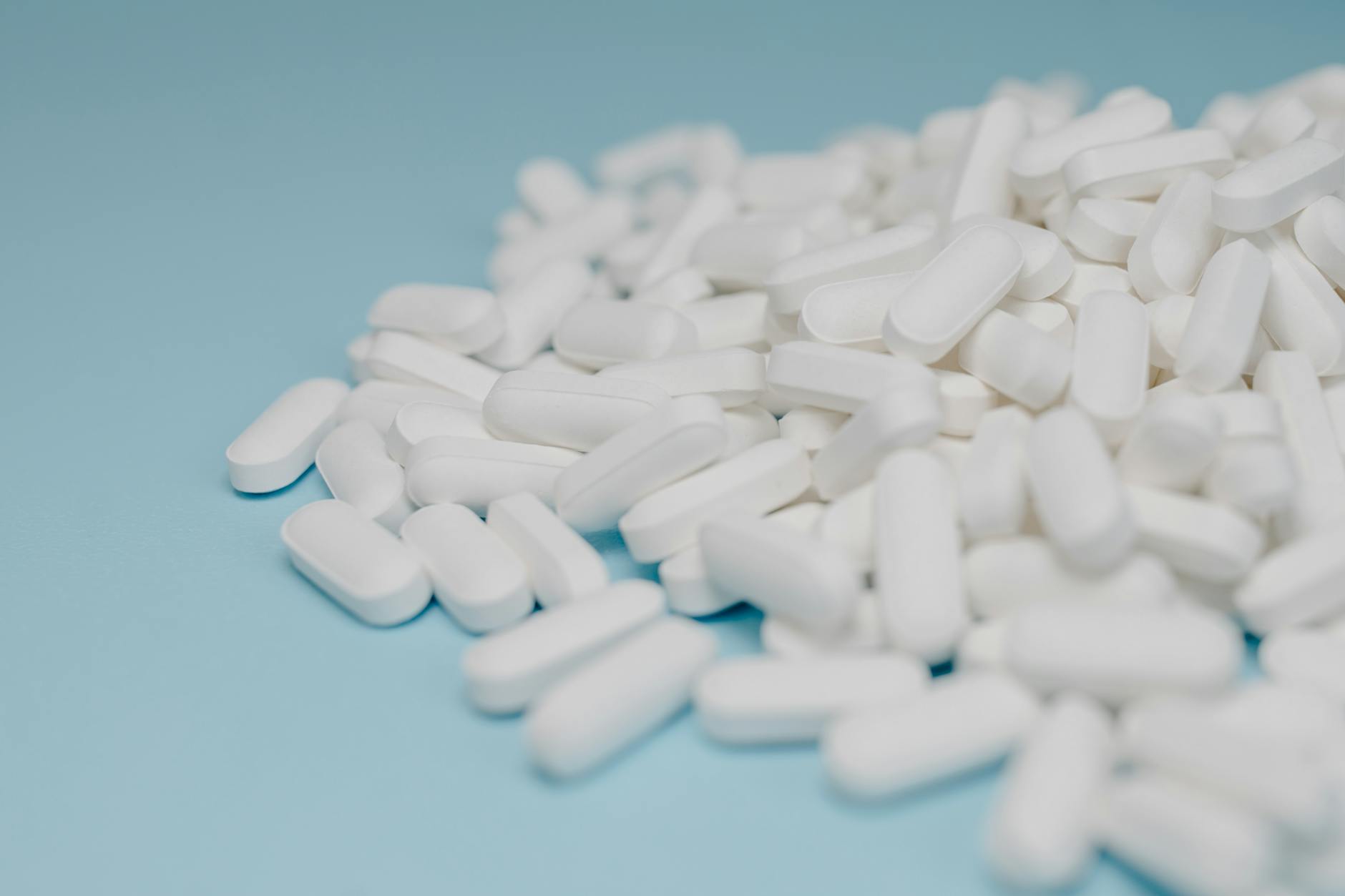
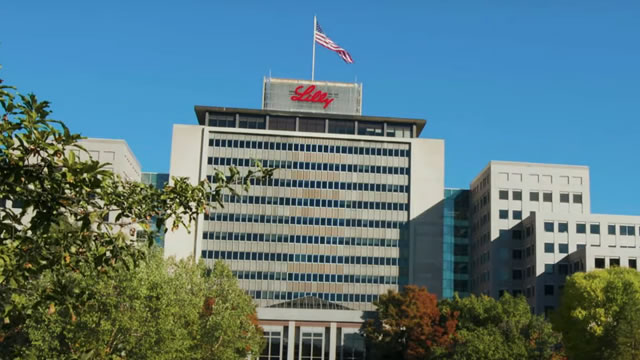
Eli Lilly (NYSE:LLY) is making an audacious bet on its experimental oral weight-loss drug, orforglipron, by building a staggering $1.5 billion pre-launch inventory. This isn't just a typical pharmaceutical pre-commercialization strategy; it's a decisive, almost unprecedented move for a drug still awaiting regulatory clearance. The company’s 2025 annual report, published in February 2026, revealed this massive stockpile, a significant jump from the $548.1 million reported a year prior, indicating a rapid acceleration in production.
This aggressive inventory build is a direct response to the painful lessons learned from the initial rollout of its injectable GLP-1 receptor agonists, Zepbound and Mounjaro. In 2022, unprecedented demand led to widespread shortages, forcing many patients to turn to compounded alternatives and eroding potential revenue streams for Lilly. By front-loading production for orforglipron, Lilly aims to hit the ground running, ensuring ample supply from day one and preventing a repeat of those costly supply constraints.
The timing of this inventory accumulation is critical. Orforglipron is currently under review by the U.S. Food and Drug Administration (FDA), with a decision anticipated in April 2026. Lilly has secured a Commissioner’s National Priority Review Voucher (CNPV), which could shorten the typical 10-12 month review period to as little as one to two months, tightening the window between approval and commercial launch. This expedited timeline makes the pre-launch inventory even more strategic, allowing for near-simultaneous commercialization across multiple markets if approved.
Management’s confidence in regulatory approval is palpable, backed by positive Phase 3 trial results. GlobalData forecasts orforglipron sales could reach $13 billion by 2031, underscoring the immense market potential. This multi-billion dollar inventory isn't merely a cost; it's a strategic asset, reflecting Lilly's determination to capture early market share and establish a dominant position in the rapidly expanding oral obesity treatment landscape.
How Does Orforglipron Stack Up Against Novo Nordisk's Oral Wegovy?
The race for dominance in the oral GLP-1 market is heating up, with Eli Lilly's orforglipron poised to challenge Novo Nordisk's (NYSE:NVO) recently launched oral Wegovy. Novo Nordisk secured U.S. approval for its oral weight-loss pill in December 2025, with a formal launch in January 2026. Early traction has been strong, with 50,000 prescriptions by the end of January and over 240,000 Americans reportedly taking the pill by mid-February, according to Novo Nordisk CEO Maziar Mike Doustdar.
While Novo Nordisk enjoys a first-mover advantage, Eli Lilly's orforglipron brings distinct competitive advantages to the table. Orforglipron is a small-molecule drug, which generally offers easier manufacturing and room-temperature stability compared to peptide-based medications like oral Wegovy. Critically, orforglipron does not require the dietary restrictions associated with Novo Nordisk's pill, which mandates patients drink no more than four ounces of water and wait 30 minutes before eating or drinking anything else daily. This convenience factor could be a significant differentiator for patient adherence and preference.
Analysts are already projecting a substantial market share for orforglipron. Goldman Sachs analysts, for instance, expect Eli Lilly's pill to capture a 60% share of the daily oral segment by 2030, translating to roughly $13.6 billion in sales, compared to Novo Nordisk's oral semaglutide at 21% or around $4 billion. This bullish outlook hinges on orforglipron's potentially superior convenience and efficacy profile, which could attract a broader patient base, including those hesitant about injections or strict dietary regimens.
The competitive landscape extends beyond these two giants. Other drugmakers like Pfizer, AstraZeneca, Structure Therapeutics, and Viking Therapeutics are also racing to bring their own oral GLP-1 options to market. Structure Therapeutics' aleniglipron, for example, showed promising mid-stage data with over 11% weight loss at 36 weeks, though tolerability appeared worse than Lilly's pill. This intense competition underscores the massive potential of the obesity market, which some analysts believe could be worth almost $100 billion by the 2030s, with pills potentially capturing 24% or $22 billion of that market by 2030.
Is Eli Lilly's Manufacturing Strategy Ready for Unprecedented Demand?
Eli Lilly's massive orforglipron inventory build is not an isolated tactic; it’s part of a broader, integrated manufacturing strategy designed to meet what is expected to be unprecedented demand for oral GLP-1 therapies. The company has been proactively scaling its production infrastructure for some time, announcing as early as February 2024 that it was ramping up manufacturing investments for orforglipron, even before Phase 3 trials concluded. This foresight reflects a "build ahead of risk" philosophy, as CEO David Ricks articulated, viewing it as a wise investment to avoid future supply bottlenecks.
A cornerstone of this strategy is a substantial $27 billion investment drive to construct four new manufacturing facilities in the U.S. At least three of these sites are confirmed as production hubs specifically for weight-loss therapies, including orforglipron. For instance, a December 2025 investment in Alabama will focus operations on small-molecule and peptide drugs, directly supporting orforglipron's supply chain. This commitment to domestic manufacturing also strategically positions Lilly against potential tariff threats, while securing long-term capacity.
Beyond physical infrastructure, Lilly is leveraging cutting-edge technology to enhance its drug discovery and manufacturing efficiency. The company has embarked on a $1 billion artificial intelligence (AI) drug discovery collaboration with Nvidia, aiming to build the industry's largest AI supercomputer. This partnership is designed to accelerate drug development timelines and expand the pipeline of potential candidates across various therapeutic areas, including oncology, immunology, and neurology. While not directly tied to current orforglipron production, it signifies Lilly's commitment to scaling innovation itself, which will ultimately support future manufacturing needs.
This integrated approach—combining aggressive inventory build, significant capital investment in new facilities, and advanced AI integration—demonstrates Lilly's determination to mitigate launch risks and sustain ongoing demand. The goal is to ensure that once orforglipron gains approval, the company can execute a robust global launch and maintain supply without the shortages that plagued its earlier GLP-1 rollouts, thereby cementing its market leadership.
What are the Financial Stakes for Eli Lilly's Valuation and Growth?
Eli Lilly's financial performance has been nothing short of stellar, with its stock trading at $1040.00 and boasting a colossal market cap of $932.32 billion. This valuation reflects immense investor confidence, particularly in its GLP-1 franchise. The company reported a 45% surge in 2025 revenue, spearheaded by Zepbound and Mounjaro sales of $13.5 billion and $23 billion, respectively. Looking ahead, analysts project a remarkable 44.7% revenue growth and 96.0% EPS growth for FY2025, driven largely by the anticipated success of its weight-loss portfolio.
However, such robust growth comes with a premium valuation. Lilly's TTM P/E ratio stands at 45.25, its P/S at 14.30, and P/FCF at a staggering 103.35. These metrics are significantly higher than industry averages, indicating that much of the future growth potential is already priced into the stock. The market is clearly betting on Lilly's ability to not only maintain its lead in the GLP-1 space but also to expand its market share with new offerings like orforglipron.
The $1.5 billion orforglipron inventory build, while a strategic operational move, also has financial implications. This pre-launch inventory is capitalized as an asset on the balance sheet, reflecting the cost of goods produced ahead of commercialization. While it ties up capital, it's a calculated risk that management believes will pay off through rapid market penetration and sustained sales volume. The success of orforglipron is crucial for Lilly to meet its ambitious 2026 sales projection of $80 billion to $83 billion, a level that could propel it towards a $1 trillion market cap.
Lilly's strategy involves trading some price for massive market penetration, a "wild card" acknowledged by CFO Lucas Montarce, who expects pricing to be a drag on growth in the low- to mid-teens. This pressure stems from strategic moves like agreements for cut-rate pricing and direct-to-patient plans, which boost patient access but compress revenue per unit. The investment thesis hinges on whether the resulting volume expansion from new launches like orforglipron and global access initiatives can more than compensate for these pricing concessions, sustaining the hyper-growth trajectory needed to justify its current valuation and reach its aspirational market cap.
What Risks Could Derail Eli Lilly's GLP-1 Dominance?
Despite Eli Lilly's strong position and aggressive strategy, several risks could challenge its dominance in the GLP-1 market. The most immediate is regulatory approval for orforglipron. While a decision is expected in April 2026 and confidence is high, any unexpected delays or, in a worst-case scenario, a non-approval, would render the $1.5 billion inventory a significant write-off and severely impact investor sentiment. The market has largely priced in a successful launch, making any deviation a major catalyst for downward pressure.
Intensifying competition is another persistent threat. Novo Nordisk's oral Wegovy has already established a first-mover advantage, and its strong early uptake demonstrates significant market appetite. Beyond Novo Nordisk, a growing pipeline of oral GLP-1s from companies like Pfizer, AstraZeneca, and Structure Therapeutics could fragment the market. While Lilly's orforglipron boasts convenience advantages, future entrants with superior efficacy, different dosing schedules (e.g., weekly oral pills), or more favorable tolerability profiles could erode Lilly's projected market share.
Pricing pressure is also a significant headwind. As more players enter the obesity drug market, competition is likely to drive down prices, impacting revenue and margins. Novo Nordisk has already lowered its 2026 outlook, citing pricing pressure and intense competition. Lilly's own strategy of expanding access through potentially lower-priced agreements, while boosting volume, will inherently compress revenue per unit. This delicate balance between volume and price will be crucial for maintaining profitability and growth.
Furthermore, supply chain resilience, despite Lilly's substantial investments, remains a long-term challenge. The sheer scale of demand for GLP-1s is unprecedented, and any unforeseen manufacturing disruptions, raw material shortages, or logistical hurdles could lead to renewed supply constraints. While Lilly is building new facilities and leveraging AI, scaling production to meet global demand for a blockbuster drug is a monumental task, and past shortages serve as a stark reminder of the complexities involved.
Is Eli Lilly a "Buy" for Investors Looking at the Future of Obesity Treatment?
Eli Lilly's strategic moves, particularly the audacious $1.5 billion orforglipron inventory build, position it as a formidable player in the burgeoning obesity treatment market. The company's proactive approach to manufacturing and its innovative pipeline, extending beyond GLP-1s into AI-driven drug discovery and cell therapies, paint a picture of a company committed to long-term growth and diversification. With a current price of $1040.00 and a market cap approaching $1 trillion, LLY is undeniably a premium stock, reflecting high expectations for its future performance.
The financial fundamentals underscore this optimism, with TTM revenue growth of 44.7% and EPS growth of 96.0%. These figures are exceptional and demonstrate the explosive demand for its current GLP-1 offerings. The potential approval and successful launch of orforglipron could further accelerate this trajectory, expanding Lilly's reach into the oral segment and attracting new patient populations seeking more convenient treatment options.
However, investors must weigh the significant upside against the inherent risks. The stock's high valuation metrics, such as a P/E of 45.25 and P/S of 14.30, suggest that much of the anticipated growth is already baked in. Any missteps in regulatory approval, intensified pricing pressure from competitors, or unforeseen manufacturing challenges could lead to significant volatility. The competitive landscape is dynamic, with multiple players vying for a slice of the lucrative obesity market, demanding continuous innovation and flawless execution from Lilly.
For investors with a long-term horizon and a high tolerance for risk, Eli Lilly remains a compelling investment in the transformative obesity drug market. Its robust pipeline, strategic manufacturing investments, and commitment to innovation provide a strong foundation for continued growth. However, careful monitoring of orforglipron's launch, competitive responses, and the company's ability to manage pricing pressures will be crucial in assessing its sustained performance.
Eli Lilly is executing a bold strategy to secure its future in a multi-billion dollar market. The success of orforglipron will be a pivotal test, determining if this pharmaceutical giant can truly scale its innovation into a $1 trillion enterprise. Investors should watch closely for the FDA decision and the initial commercial rollout, as these will be key indicators of whether Lilly can deliver on its ambitious promises.
Want deeper research on any stock? Try Kavout Pro for AI-powered analysis, smart signals, and more. Already a member? Add credits to run more research.
Related Articles
Why is eBay betting big on Depop
Why Wall Street Is Betting Big on $5,000 Gold
Category
You may also like
No related articles available
Breaking News
View All →No topics available at the moment